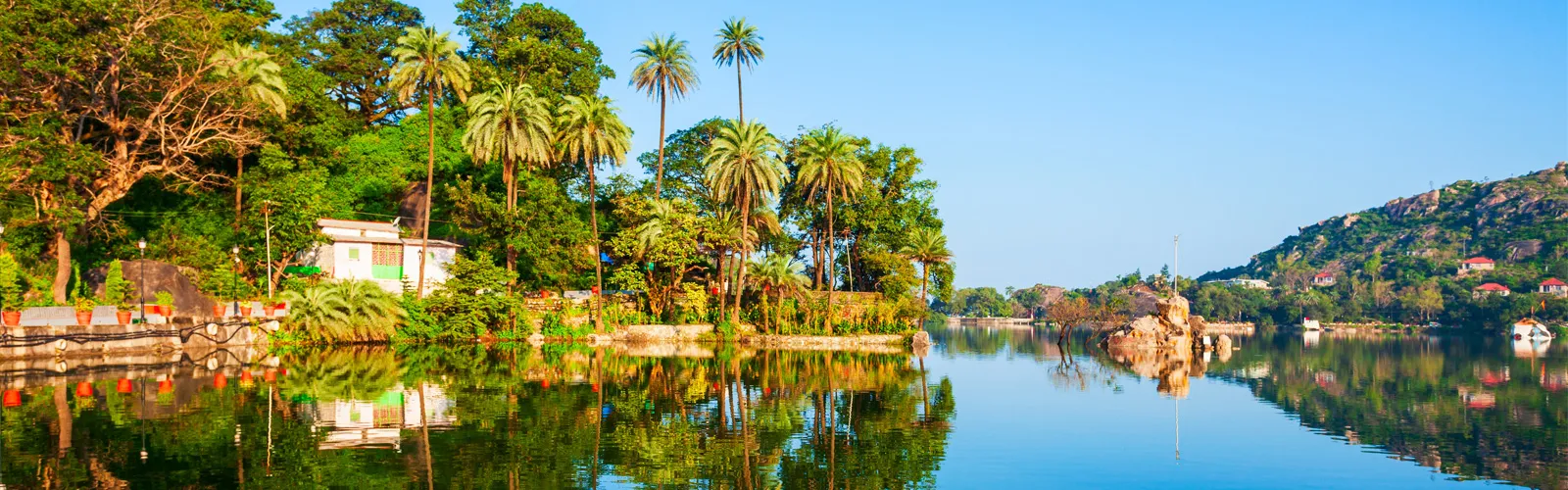
What if Rajasthan could surprise you beyond its golden sands? What if, hidden within its rugged terrain, there were cool escapes wrapped in mist, silence, and greenery? The hills of Rajasthan reveal themselves like a gentle secret—nestled within the ancient Aravalli Range, they offer a refreshing contrast to the state’s desert allure. These hills are not loud or overwhelming; instead, they whisper through the rustling leaves, winding roads, and breathtaking views that stay with you long after you leave.
For those travelers yearning for more than just forts and dunes, the hills of Rajasthan provide a poetic escape. Here, mornings greet you with crisp air, sunsets drape the sky in hues of gold and crimson, and nature seamlessly intertwines with history. What makes these hills so special? They unveil a side of Rajasthan that feels both surprising and deeply comforting.
The hills of Rajasthan are not just picturesque spots—they are experiences that harmonize nature, culture, and serenity. These elevated landscapes offer a refreshing retreat with cooler temperatures and soothing surroundings. Whether you’re in the mood to unwind or embark on an adventure, the hills set the perfect backdrop.
Rich in heritage and spirituality, these hills boast ancient temples perched on peaks and serene viewpoints overlooking lakes and valleys, with every corner telling its own story. The peaceful atmosphere invites travelers to slow down, reconnect with nature, and appreciate Rajasthan beyond its usual splendour.
Famous Hills to Visit in Rajasthan: Rajasthan isn’t just about deserts—it also boasts serene, scenic hills that feel like a breath of fresh air. Mount Abu greets you with its cool breeze and lush greenery, while Guru Shikhar offers stunning views from the highest point. The hilltop Sajjangarh Palace adds a touch of royal elegance with its breathtaking sunsets. Each destination presents a unique blend of nature, peace, and beauty, making the hills of Rajasthan truly unforgettable.
Best Time to Visit
If you're planning a trip to Rajasthan's hills, the sweet spot is definitely between October and March. During these months, the weather is pleasantly cool and perfect for sightseeing. In the summer, places like Mount Abu are popular getaways from the sweltering heat, while the monsoon season brings a lush green beauty to the hills, making them even more stunning.
Conclusion
Rajasthan’s hills offer a refreshing perspective on this vibrant state. They show us that beyond the deserts, there’s a serene world filled with beautiful landscapes. So, why not step away from the expected and discover something new? A trip to these hills isn’t just about traveling; it’s about uncovering a softer, greener, and more tranquil side of Rajasthan that lingers in your memory long after you’ve returned home.
FAQs Rajasthan Hills:
Yes, the hills of Rajasthan are generally safe for tourists. Popular spots like Mount Abu have good security, friendly locals, and reliable facilities, making them suitable for solo and family travel.
For a Rajasthan hills day trip, pack layers (light cottons + jacket/shawl), comfortable walking shoes, sun protection (hat, sunglasses, sunscreen), a reusable water bottle, and essentials like hand sanitizer, as mornings are cool/evenings chilly while days are sunny, requiring modest, breathable clothing for comfort and cultural respect.
Mobile network connectivity in the hill areas of Rajasthan can be inconsistent and varies significantly by location and service provider. While major towns and popular hill stations such as Mount Abu have coverage, remote or less populated regions within the hills often have limited or no signal.
The best time for international tourists to visit Rajasthan's hills (like Mount Abu) is during the winter season, from October/November to February/March, when the weather is pleasant and cool. This period avoids the intense summer heat (April-June) and the monsoon rains (July-September). While the plains of Rajasthan experience extreme heat during the summer, its hill stations, such as Mount Abu, offer a relative respite and are a popular destination during the hottest months.
For Rajasthan's "hills" (like Mount Abu), a rental car with a driver is highly recommended for convenience and exploring offbeat spots, though public transport (buses/trains) connects major towns cheaply; for true hill access, private transport offers flexibility, while public transport is better for city-to-city travel but limits remote exploration. If your goal is to see Mount Abu or explore the Aravalli range comfortably, hire a car/driver, as public transport can be time-consuming and less direct for hill areas. For a city-focused trip with budget constraints, trains and buses work well.
Mobile network connectivity in the hill areas of Rajasthan can be inconsistent and varies significantly by location and service provider. While major towns and popular hill stations like Mount Abu have coverage, remote or less populated regions within the hills often have limited or no signal.
Yes, there are many restaurants and cafes in the hill areas of Rajasthan, particularly around popular destinations like Udaipur, Mount Abu, and the Aravalli range. Many of these establishments offer scenic views and diverse cuisine options. These range from local eateries and dhabas to fine-dining restaurants and hotel-based cafes. The hill areas around major cities and forts also feature a variety of dining spots.
The best time for international tourists to visit Rajasthan's hills (like Mount Abu) is during the winter season, from October/November to February/March, when the weather is pleasant and cool. This period avoids the intense summer heat (April-June) and the monsoon rains (July-September). While the plains of Rajasthan experience extreme heat during the summer, its hill stations like Mount Abu offer a relative respite and are a popular destination during the hottest months.