
Dausa Tourism
The Town of Stepwells
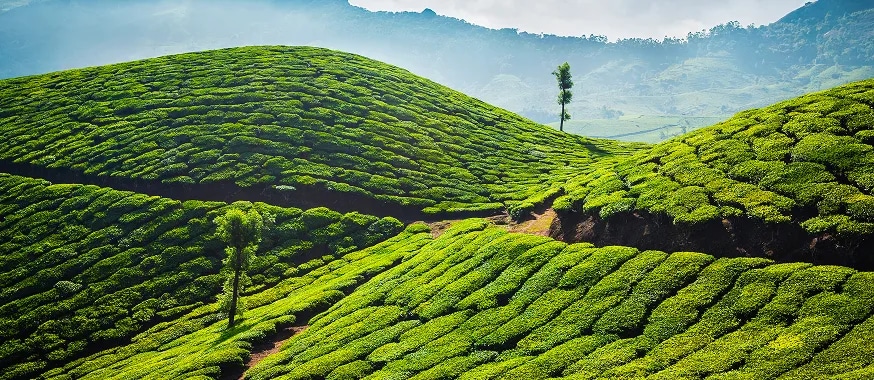
Dausa remains one of Rajasthan’s most authentic and lesser-explored destinations in Rajasthan. With its ancient temples, weathered forts, and artistic stepwells, Dausa tourism brings together spirituality, history, and the rustic rhythm of Rajasthani life. The name itself originates from the old Sanskrit term Dhavangiri, translating to “beautiful hill,” a suitable description of the soft rolling landscapes that frame this peaceful town.
About Dausa
Dausa can easily be called the city of devotion and legends. The air here feels calmer, and life moves to the rhythm of temple bells and village chat. You will find age-old temples dedicated to Hanuman, Shiva, and Balaji, bustling markets selling colorful turbans and brassware, and yes locals who greet visitors with genuine warmth.
The town has managed to preserve its heritage and spiritual essence while staying relatively untouched by commercialization. Dausa Tours and Travels is perfect for travellers who prefer authentic experiences—watching craftsmen at work, exploring historic temples, or enjoying a quiet evening near a countryside.
Best Time to Visit Dausa
Peak Season (October – March): This is the best time to explore Dausa. Pleasant weather, best for sightseeing, heritage walks and outdoor exploration.
Shoulder Season (April – May): Summer can be very hot, especially during the day, but early mornings and evenings are still enjoyable.
Off-Season (June – September): The monsoon brings occasional heavy rains that can make travel a bit challenging. September has lighter rain and cheaper hotel rates, it’s a good time for budget travel.
Festival Calendar:
- Dausa Mahotsav (February): A vibrant local festival showcasing Rajasthani folk music, traditional dance, handicrafts, and local cuisine.
Dress code: Pack cotton clothes in summer, an umbrella/raincoat in monsoon, and light woollens for winter evenings.
Quick Facts & Information About Dausa
Population
163,000
Famous For
Ancient temples, Chand Baori Stepwell, local crafts, and rural heritage.
Best Season
October – March.
Top Tourist Places to Visit in Dausa
Chand Baori, Abhaneri:
This iconic stepwell is among the deepest and most striking in India. Built over a thousand years ago during the reign of King Chand Raja of the Nikumbha Dynasty, this architectural wonder was designed to conserve water in the arid landscape of Rajasthan. With over 3,500 narrow steps arranged in perfect symmetry, Chand Baori is an architectural wonder. Standing at the edge and looking down its geometric design is mesmerizing. In ancient times, the stepwell wasn’t just a source of water; it was a gathering place for the community, offering respite from the desert heat. Famous For: Intricate stepwell design, photography, and historical architecture Best Time: October to March Entry Fee: Rs 50 – Rs 100
Bhangarh Fort:
Around 25 km from Dausa lies Bhangarh Fort, a fascinating 16th-century ruin that blends history, legend, and mystery. Built by Raja Madho Singh, the fort once guarded a lively town filled with palaces and temples. Today, its crumbling walls and quiet courtyards tell stories of a bygone era. Locals believe a curse turned this once-thriving settlement into a ghost town, earning Bhangarh the title of India’s most haunted fort. Yet beyond the ghost stories, Bhangarh is a stunning example of medieval architecture and a fascinating stop for history lovers, photographers, and curious travelers alike. Famous For: Ancient ruins, legends, photography Best Time: October to March Entry Fee: Free
Bhadrawati Palace:
Once the residence of Rajput nobles, Bhadrawati Palace is a fine example of local architecture, with arched courtyards, carved balconies, and frescoed walls. Today, part of it has been converted into a heritage stay, where guests can relive the old-world charm while enjoying modern comforts. A sunset view from its terrace, overlooking mustard fields, feels timeless. Famous For: Heritage architecture, royal stay experience Best Time: October to March Entry Fee:
Mehandipur Balaji Temple:
One of the most powerful and well-known temples in North India, Mehandipur Balaji is dedicated to Lord Hanuman. Pilgrims believe this temple has divine powers to ward off evil and negative energies. The rituals are intense, the faith is unshakable, and the atmosphere is unlike any other. Even if you visit just to observe, you’ll feel the strong spiritual energy that fills the place. Famous For: Deep spiritual significance Best Time: October to March Entry Fee: Free
Harshat Mata Temple:
Located near the famous Chand Baori stepwell in Abhaneri, this ancient temple is dedicated to the goddess of joy and happiness. Built around the 9th century, it stands as a beautiful example of early medieval architecture with intricate carvings that have survived centuries. Famous For: Stone carvings, early medieval architecture Best Time: October to March Entry Fee:
Top Things to Do in Dausa
Visit Bhandarej Village
Join a Heritage Walk
How To Reach Dausa?
The nearest airport is Jaipur International Airport, located about 60 km away (approximately 1.5 hours by road).
Dausa Railway Station has good connectivity to major cities like Delhi, Agra, and Jaipur with regular train services.
Dausa is well connected by highways to Jaipur (60 km), Agra (190 km), and Delhi (270 km). Hiring a private car or taxi is the most comfortable option for sightseeing and nearby excursions.
Things To Know Before Visiting Dausa
- Carry drinking water, sunscreen, and mosquito repellent, especially if exploring rural or desert area.
- Guided heritage walks are available and worth booking — local storytellers bring the history of Dausa to life in a way guidebooks can’t.
- Public transport is limited, so it’s best to hire a private car for sightseeing and desert visits.
- Always ask permission before taking pictures of locals, especially in tribal/desert areas.
- Carry some cash for small purchases, local markets, or transport, though ATMs are available.
FAQs:
Popular Tour Packages
Most booked holidays, hand-picked by our travellers