
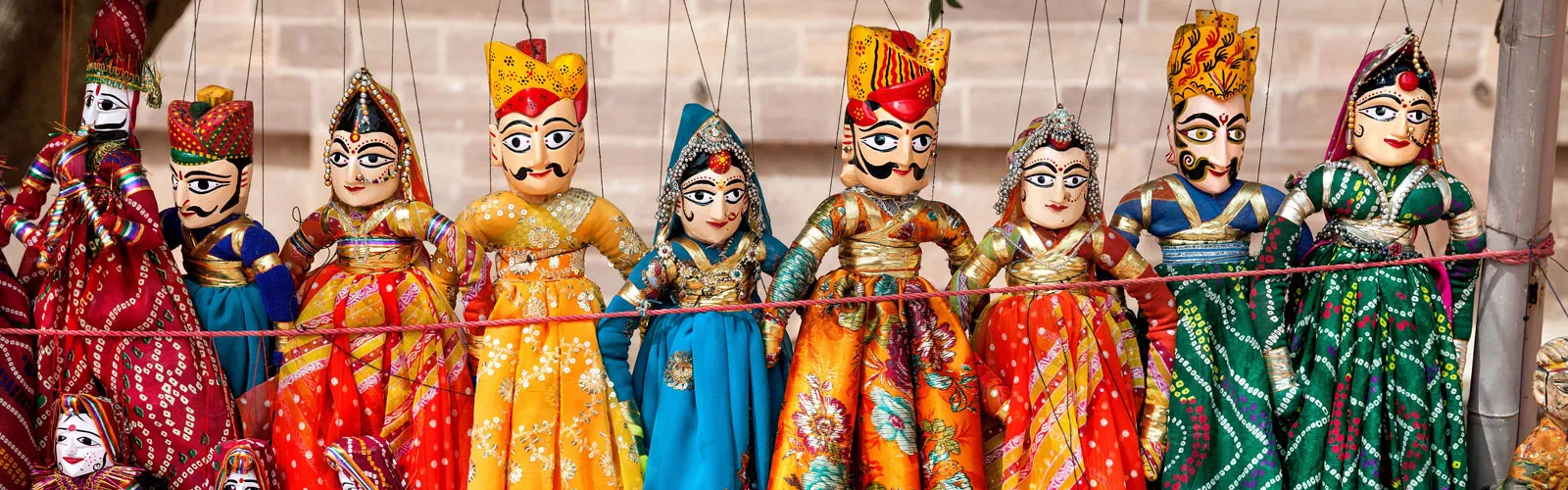
About Jhunjhunu
History -Jhunjhunu emerged in the 1400s, developing strong when Kaimkhani Nawabs ruled. Then Shekhawat Rajputs took over. Rich Marwari traders turned it a hub, funding grand havelis painted with scenes from court life, legends together with daily routines.
Culture:Jhunjhunu hold the heartbeat of Shekhawati - bold hues, lively rhythms, because creativity is very deep. People keep traditions alive using songs from the past, dynamic dances, together with celebrations attached to faith.
Geography - Located in the dry stretches of northern Rajasthan, Jhunjhunu rests among rough land teemed with ancient-world towns and stunning dunes. With cool winter months combined with deep-rooted traditions, this place stands out along the state's historic side.
Why visit Jhunjhunu- If you are a big fan of Mansions covered in painted murals, towering places of worship, along with massive forts this place fits just right.
Top Tourists Places To Visit in Jhunjhunu
Sone Chandi Ki Haveli
Sone Chandi Ki Haveli means “House of Gold and Silver” - this haveli stand as one of Jhunjhunu’s top sights. Built more than a century and a half back, it highlights wall art made with best gold flakes along with colorful gem fragments. Inside, you’ll witness tales from the Ramayana brought to life through intricate paintings, while its gold-decorated room still shines as a standout masterpiece.
Highlights: Gold-leaf frescoes, Ramayana murals, antique interiors
Best Time to Visit: November to February
Modi and Tibrewal Havelis
These two havelis featuring Shekhawati’s signature style - intricate mirror patterns, ornate carvings, alongside vivid frescoes showcasing regal scenes. With their adorned balconies and bright exteriors, they’re often snapped by photographers seeking old charm.
Highlights: Mirror art, frescoed walls, sculpture details
Best Time to Visit: October to March
Khetri Mahal (Wind Palace)
Also known as the “Wind Palace,” Khetri Mahal blends Mughal with Rajput style in an unusual way. Its airy corridors curved windows and soft colors is a visual treat for visitor which also showcases how Jaipur’s Hawa Mahal was shaped.
Highlights: Panoramic city view, open corridors, heritage architecture
Best Time to Visit: Sunrise or sunset hours
Badalgarh Fort
Located high on a ridge, the fort of Badalgarh reflects Jhunjhunu’s royal past. Built by Kaimkhani rulers, its dense barriers, curved entrances, and painted walls narrates stories from long ago. Even with just parts fixed up, it still stands as Rajasthan’s enduring power.
Highlights: Fort ruins, panoramic views, ancient carvings
Best Time to Visit: November to March
Rani Sati Temple
This 400 years old temple is a significant landmark of Jhunjhunu. Dedicated to Rani Sati this temple is a remarkable example of Rajasthani architecture, built entirely from white marble, with no idol or image of any deity.
Highlights: White marble architecture, Rani Sati Fair
Best Time to Visit: During the annual Rani Sati Festival (August–September)
Top Things To Do In Jhunjhunu
Explore Fresco Trails
Walk around Jhunjhunu's ancient streets and unveil the creative roots of Shekhawati. Each mansion front paints stories using shades, symbols or sculptures These tours are guided by local storytellers through the way.
Duration: 2–3 hours
Best Suited For: Art lovers and photographers
Approx. Cost: ₹200–₹500 per person
Visit Forts and Palaces
Step into the world of kings by visiting Badalgarh or Dundlod fort. Inside, intricate designs blend with wide-open sights showing how grand Jhunjhunu once was.
Duration: Half-day tour
Best Suited For: History enthusiasts
Approx. Cost: ₹300–₹600 per fort
Attend Rani Sati Fair
Experience Rani Sati Festival from August into September. Witness local shows, traditional tunes, while vibrant parades light up streets across town.
Best Suited For: Cultural travelers, families
Approx. Cost: Free entry
Shop Handicrafts and Textiles
Jhunjhunu's local markets teems with handcrafted jewelry, intricate detailed art pieces, or colourful cloth rolls. Over in Mandawa and Nawalgarh, handmade goods are very popular.
Best Suited For: Souvenir hunters and art collectors
approx. Cost: depending on craft
Best Time To Visit Jhunjhunu
The best time to visit Jhunjhunu is fromOctober to March, when the temperature ranges between 10°C and 28°C, offering pleasant weather for exploring its heritage sites and vibrant bazaars
- Summer (April–June): Scorching and arid, with temperatures rising between 30°C and 40°C. Outdoor explorations can be challenging.
- Monsoon (July–September): Moderate rainfall cools the region slightly adding freshness to the desert landscape. But sometimes it can interrupt explorations.
- Winter (October–March): Pleasant and breezy, with temperatures ranging from 10°C to 28°C, Best season for outdoor activities.
Festival highlight: The Rani Sati Fair (August–September) and the Shekhawati Festival (February) bring Jhunjhunu to life with cultural performances, local crafts, and traditional music.
Clothing & Travel Essentials
- Winter: Light to moderate woollens attire, scarves, and comfortable shoes for walking tours.
- Summer: Breathable cottons, caps, and sunglasses, refillable bottles and sunscreen
- Monsoon: Light rain jacket, slip-resistant footwear, and waterproof bags for electronics.
How To Reach Jhunjhunu?
By Air :
There is no airport in Jhunjhunu. The closest airport is Jaipur International Airport, located approximately around 190 kilometers away. This airport connects Bengaluru, Delhi, Mumbai, and other significant Indian cities. You can take a direct bus or hire a taxi from the Jaipur airport to reach to Jhunjhunu.
By Rail :
Jhunjhunu Railway Station (JJN) is the nearest and well-connected to major cities in Rajasthan and northern India. It links cities like Delhi 280 km, Jaipur about 185 km, Bikaner around 420 km, and Jodhpur nearly 400 km. Frequent trains such as the Jaipur–Sikar–and Delhi Sarai Rohilla–Bikaner express make travel convenient.
By Road :
Jhunjhunu is well-linked by State Highway 8 (SH 8), connecting it to major cities like Jaipur (190 km), Delhi (245 km), and Bikaner (230 km). While self-driven cars offer flexibility to explore the scenic Shekhawati region, regular Rajasthan State Transport (RST) and private buses run everyday offering comfortable travel options for travellers visiting Jhunjhunu.
Things to know before visit Jhunjhunu
- Local Etiquette: While visiting temples and havelis, dress modestly and remove footwear before entering sacred locations.
- Connectivity:Jhunjhunu has good mobile network coverage. However, data speed may fluctuate in forts and rural areas. So download offline maps.
- Local Transport: Auto-rickshaws, cycle rickshaws, and shared jeeps are easily available within town limits. For exploring villages nearby opt for local cab or guided tour.
- Currency: Most shops accept digital payments, but it’s suggested to carry cash for small vendors and remote attractions.
- Safety: Jhunjhunu is regarded safe for solo and female women. However evade isolated area during late nights.


