
Jaipur Tourism
The Royal Pink City
Jaipur, Rajasthan’s capital, is famously known as the Pink City — a name that comes from the rose‑colored walls of its old town, painted in the 19th century to welcome a royal guest. Jaipur tourism blends centuries of Rajput grandeur with the rhythm of a modern Indian metropolis. From magnificent forts that rise against desert hills to lively markets bursting with colour and craft, every corner of Jaipur tells a story of kings, artisans, and dreamers.
About Jaipur
Founded in 1727 by Maharaja Sawai Jai Singh II, Jaipur was among the first planned cities of India. The king, a visionary and scholar of astronomy, designed the city according to Vastu Shastra and Shilpa Shastra — ancient Indian principles of architecture. Its grid-patterned streets, wide avenues, and uniform facades were revolutionary for their time.
When Prince Albert of Britain visited in 1876, the entire old city was painted terracotta pink — a colour symbolizing hospitality. The tradition continues to this day, giving Jaipur its warm and welcoming glow.
Jaipur’s personality is a mix of royalty and artistry. It is a city where elephants share roads with auto rickshaws, where majestic palaces stand beside bustling bazaars, and where ancient rituals are still practiced under the same sandstone arches that once hosted kings. For travellers who love a blend of history, art, and comfort, Jaipur Tours and Travels never disappoints.
Best Time To Visit Jaipur
Peak Season (October – March): This is the ideal time to explore Jaipur. The weather is pleasantly cool, perfect for sightseeing, strolling through the colorful bazaars, visiting forts and palaces, and enjoying outdoor activities.
Shoulder Season (April – May): Summer can be very hot, especially during the day, but early mornings and evenings are still enjoyable.
Off-Season (June – September): Monsoon season brings occasional rains, which can make travel and sightseeing less convenient. However, hotel rates are lower, and September often has lighter showers, making it suitable for budget travellers.
Festival Calendar:
- Jaipur Literature Festival (January): One of the world’s largest literary festivals, featuring renowned authors, discussions, and workshops.
- Gangaur Festival (March/April): A vibrant celebration of local culture, with colorful processions, folk dances, and traditional rituals..
Dress code: Pack cotton clothes in summer, an umbrella/raincoat in monsoon, and light woollens for winter evenings.
Quick Facts & Information About Jaipur
Population
5 million
Famous For
Pink city architecture, royal forts and palaces, block printing, handicrafts, traditional cuisine, and vibrant festivals
Best Season
October – March.
Jaipur Tour Packages
View All
Top Tourist Places to Visit in Jaipur
Amber Fort:
A majestic fortress rising from the Aravalli hills, Amber Fort is Jaipur’s crown jewel. Built in pale yellow and pink sandstone, the fort overlooks the shimmering Maota Lake and houses grand courtyards, mirror-studded halls, and intricate carvings. Inside, the Sheesh Mahal (Hall of Mirrors) glitters with thousands of tiny mirrors that reflect even a single candle flame into a dazzling glow. The Diwan-e-Khas, Ganesh Pol, and Sukh Niwas are other highlights that show off the royal taste in design and luxury. Famous For: Rajput-Mughal architecture, mirror work, panoramic views. Best Time: October to March Entry Fee: Rs 100 – Rs 500
City Palace:
At the heart of the old city stands the City Palace, a living symbol of Jaipur’s royal legacy. Part of it is still the residence of the former royal family, while other sections are now museums displaying royal costumes, weaponry, paintings, and antique carriages. Don’t miss the Peacock Gate, adorned with exquisite mosaics, and the Mubarak Mahal, which beautifully combines Islamic, Rajput, and European styles. Famous For: Royal architecture, art collections, heritage museum. Best Time: October to March Entry Fee: Rs 200 – Rs 500
Hawa Mahal (Palace of Winds):
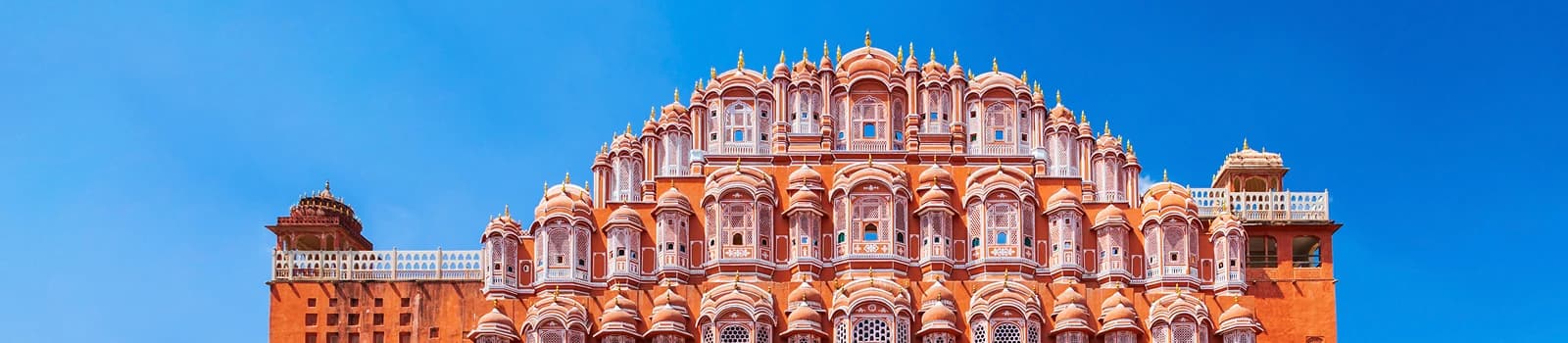
Hawa Mahal is an extraordinary five-storey palace made of pink sandstone, with 953 jharokhas (windows). It was built in 1799 so royal women could watch street processions unseen. When sunlight strikes its honeycomb facade, the palace seems to glow. Perhaps the most photographed monument in Jaipur, climb to the top for breezy views of the old bazaar and the City Palace complex. Famous For: Unique design, city views, photography. Best Time: October to March (morning) Entry Fee: Rs 50 – Rs 200.
Jantar Mantar:
A UNESCO World Heritage Site, Jantar Mantar is an astronomical observatory built by Maharaja Jai Singh II, who had a deep interest in mathematics and the stars. The site contains 19 giant instruments made of stone and marble, used to measure time, predict eclipses, and study celestial movements. The Samrat Yantra, the world’s largest sundial, still tells the time accurately to within two seconds! Famous For: Astronomical instruments, scientific heritage. Best Time: October to March Entry Fee: Rs 50 – Rs 200.
Nahargarh Fort:
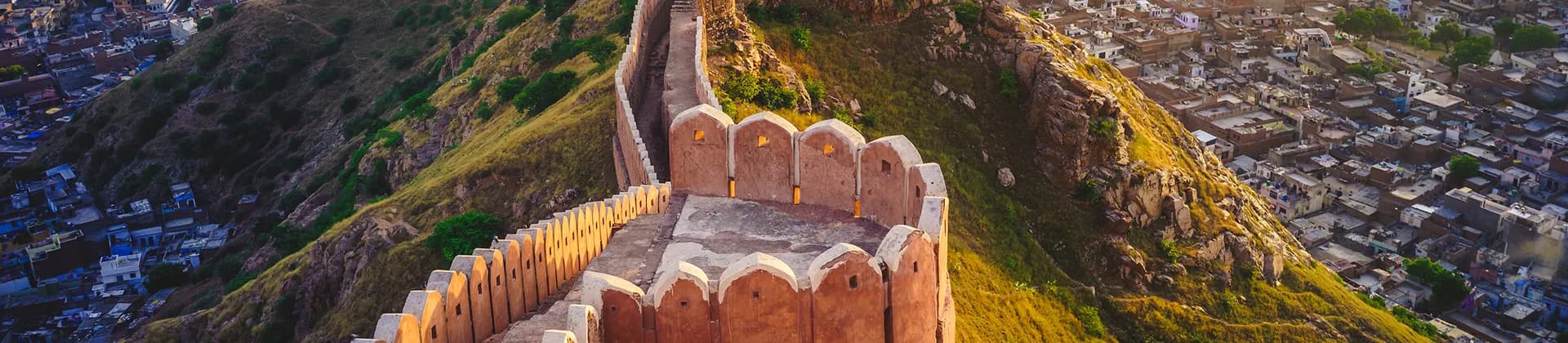
Nahargarh Fort situated on the edge of the Aravalli Hills, overlooking Jaipur like a silent guardian. Built in the 18th century by Maharaja Sawai Jai Singh II, it was part of the city’s strong defensive ring along with Amber and Jaigarh Forts. The fort offers the best sunset views in Jaipur, with the city’s rooftops glowing in golden light. Inside, the Madhavendra Bhawan palace has beautifully decorated rooms built for each queen, linked by corridors that whisper old royal secrets. Famous For: Sunset views, royal palace interiors, photography. Best Time: October – March (Evening) Entry Fee: Rs 50 – Rs 200
Albert Hall Museum:
Built in 1887, the Albert Hall Museum is a masterpiece of Indo-Saracenic architecture and the oldest museum in Rajasthan. Inside, you will find a fascinating collection of miniature paintings, carpets, tribal jewelry, and Egyptian artifacts. The museum is especially enchanting when illuminated at night. Famous For: Indo‑Saracenic architecture, Evening illumination Best Time: October – March (Evening) Entry Fee: Rs 50 – Rs 300
Top Things to Do in Jaipur
Block Printing Workshop
Take a Hot Air Balloon Ride
Guided Bazaar Walking Tour
Jaipur Tourist Attractions
View All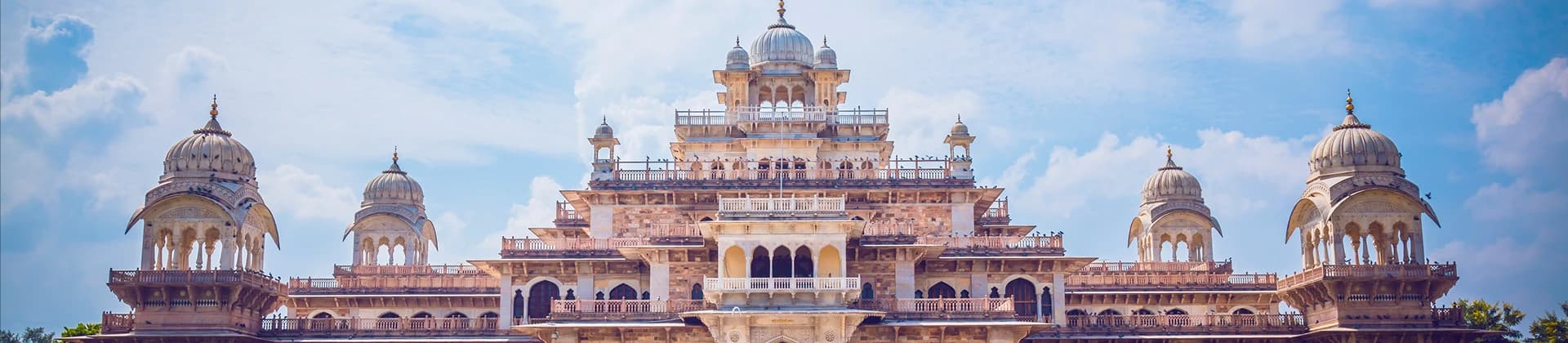
How To Reach Jaipur?
Jaipur International Airport is well-connected to major cities and some international destinations.
Jaipur Railway Station has regular trains to Delhi, Mumbai, Agra, and other major cities.
Jaipur is easily accessible via highways from Delhi, Agra, Ajmer, and other cities in Rajasthan. Hiring a private car is recommended for comfort and flexibility.
Things To Know Before Visiting Jaipur
- Plan ahead for accommodations, during peak season or festivals, book hotels, guesthouses, in advance to avoid last-minute stress.
- Guided tours are available and highly recommended. Local guides share fascinating stories about the forts, palaces, and temples, bringing Jaipur history to life far better than any guidebook.
- Carry water, sunscreen, a hat, and mosquito repellent, especially if you plan to explore rural areas or venture to forts outside the city.
- Public transport is limited, so hiring a private car makes sightseeing and trips to nearby attractions much easier.
- Always ask permission before photographing locals, particularly in villages or traditional areas.
- Carry some cash for small purchases, local markets, or transport, though ATMs are available.
Frequently Asked Questions
Popular Tour Packages
Most booked holidays, hand-picked by our travellers