
Jodhpur Tourism
Jodhpur, known as The Blue City, is a place where history, desert charm, and everyday life blend effortlessly. As you wander through its maze of indigo‑painted houses, you will notice how the city seems to glow under the desert. Beyond the color and forts, Jodhpur tourism offers a magical blend of local bazaars, the fragrance of spices, and the warmth of Rajasthani hospitality.
About Jodhpur
Jodhpur is a like sapphire jewel amid the golden sands of the Thar Desert, a city that feels timeless. Founded in 1459 AD by Rao Jodha, the city was meant to be a secure capital for the kingdom of Marwar. Over the centuries, it grew into a thriving centre of trade, art, and culture.
Jodhpur gets its famous blue tint from the houses that stretch across its old quarter, clustered tightly beneath the massive Mehrangarh Fort. Locals say the blue color keeps homes cool during scorching summers and symbolizes purity. Whatever the reason, the view of these azure homes against the golden desert hills is something unforgettable — especially at dusk, when the sun paints the whole city in warm orange light.
Beyond its postcard beauty, Jodhpur is a living museum. Here, every stone tells a story — of warriors and poets, of desert traders and royal processions. It’s a city that doesn’t just show you its history — it lets you feel it. Jodhpur Tours and Travels will help you explore history at its finest.
Quick Facts & Information About Jodhpur
Population
~1.6 million
Best time to Visit
October – March
Famous For
Mehrangarh Fort, blue-painted houses, royal palaces, handicrafts.
Top Tourist Places to Visit in Jodhpur
Mehrangarh Fort
Towering over the city at nearly 400 feet, Mehrangarh Fort is one of India’s most awe-inspiring forts. Once you step through the colossal gates, you’re transported to another era. Inside are grand palaces like the Sheesh Mahal (Palace of Mirrors) and Phool Mahal (Palace of Flowers) — each filled with intricate carvings, colorful murals, and echoes of royal life. The fort museum houses everything from swords and turbans to miniature paintings that reflect the artistry of the Rajput court. Don’t miss standing at the ramparts — from here, you will see the old city sprawled below in a sea of blue, stretching toward the horizon like a watercolor painting. Famous For: Living fort, architecture, museum, city views Best Time: Morning & sunset Entry Fee: Rs 100 – Rs 600
Umaid Bhawan Palace
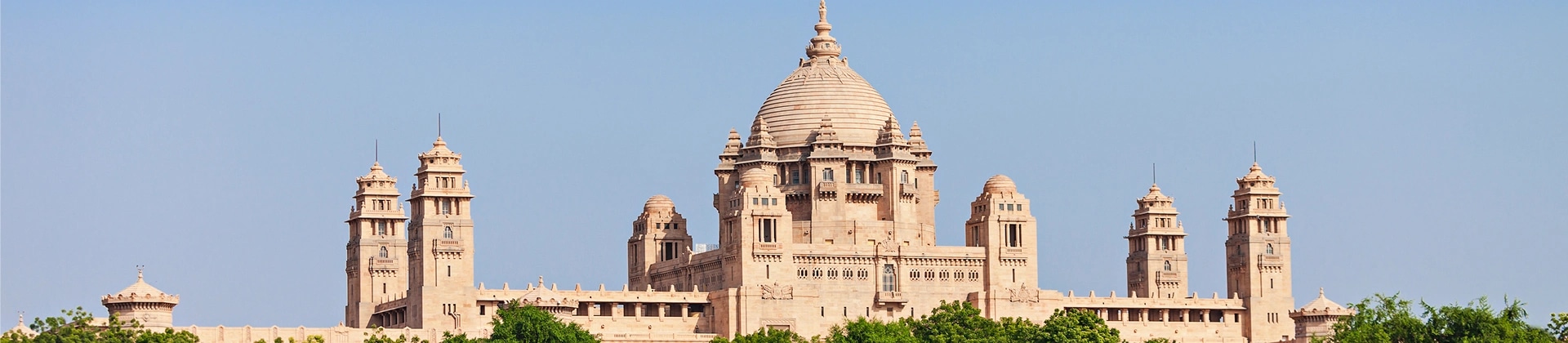
Unlike most royal residences, Umaid Bhawan Palace is not centuries old — it was built in the early 20th century as a famine relief project to provide employment to thousands of locals. The result is one of the grandest palaces in India, a masterpiece of Art Deco and Rajput design made entirely from golden sandstone. Part of it still serves as the private residence of the Jodhpur royal family, while another section has been turned into a luxury heritage hotel. The palace museum displays vintage clocks, royal photographs, and classic cars once owned by the Maharajas. Even from outside, its golden dome gleams like a crown above the desert city. Famous For: Heritage hotel, royal museum, architecture Best Time: October to March Entry Fee: Rs 100 – Rs 200 (museum)
Jaswant Thada
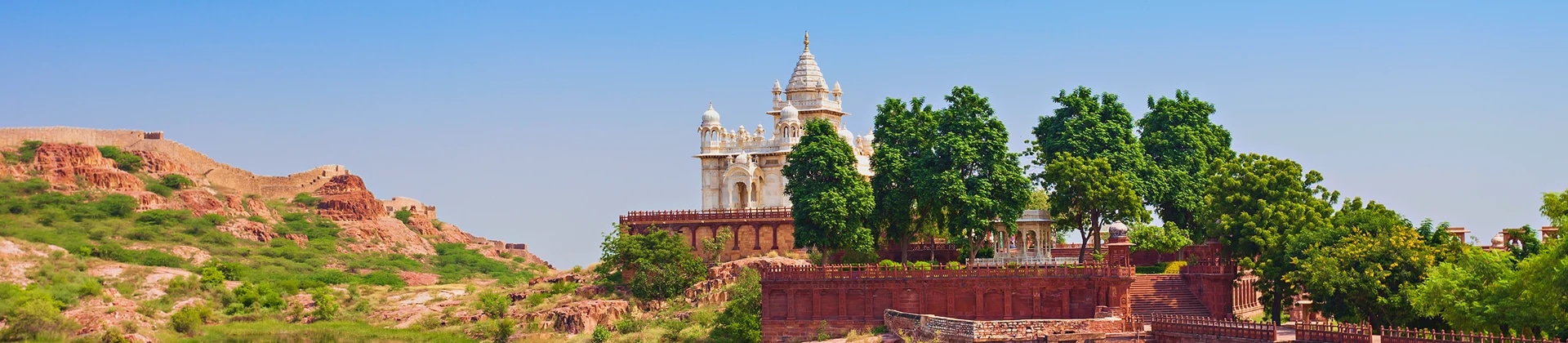
Just below the fort, overlooking a tranquil lake, stands Jaswant Thada, a delicate marble cenotaph built in memory of Maharaja Jaswant Singh II. The marble is so finely polished that it glows softly in the sunlight. Set amid peaceful gardens and reflecting pools, this royal memorial offers a calm escape and one of the best views of Mehrangarh from afar. Famous For: Marble carvings, peaceful setting, royal memorial Best Time: Morning or evening Entry Fee: Rs 30 – Rs 100.
Clock Tower & Sardar Market
If Mehrangarh is the royal heart of Jodhpur, then Sardar Market is its living soul. Centered around a tall clock tower, this bustling bazaar is where colors, scents, and sounds collide in beautiful chaos. Vendors call out, bangles shimmer in sunlight, and the aroma of roasted spices fills the air. It’s the best place to shop for traditional Jodhpuri footwear, colorful textiles, handmade leather goods, silver jewelry, and aromatic teas. Take a stroll and experience the real taste of Rajasthan. Famous For: Shopping, food, photography Best Time: Morning or evening Entry Fee: Free
Top Things to Do in Jodhpur
Looking to make your Jodhpur Tours and Travels even more exciting? Here are the must-do activities and Jodhpur Travel Tips to enhance your holiday:
Bishnoi Village Safari (Jeep)
Walking tour around the Blue Lanes
Desert Camp Experience
Jodhpur Tourist Attractions
View All

How To Reach Jodhpur?
Jodhpur Airport is well-connected to major cities like Jaipur, Delhi, and Mumbai.
Jodhpur Railway Station is well-connected to cities such as Jaipur, Delhi, and Jaisalmer.
Jodhpur can be reached via highways from Jaisalmer, Bikaner, and Jaipur. For comfort and flexibility, hiring a private car is recommended.
Important Travel Tips For Jodhpur
Best Time to Visit Jodhpur
Peak Season (October – March): This is the ideal time to explore Jodhpur. The weather is pleasantly cool, perfect for sightseeing, strolling through the colorful bazaars.
Shoulder Season (April – May): Summer can be very hot, especially during the day, but early mornings and evenings are still enjoyable.
Off-Season (June – September): Monsoon season brings occasional rains, which can make travel and sightseeing less convenient. However, hotel rates are lower, and September often has lighter rain, making it suitable for budget travellers.
Festival Calendar:
Marwar Festival (October): A vibrant celebration in Jodhpur with folk music, dance, camel shows, and cultural performances.
Dress code: Pack cotton clothes in summer, an umbrella/raincoat in monsoon, and light woollens for winter evenings.
Things To Know Before Visiting Jodhpur
- Book your accommodations in advance during peak season and festivals, as hotels can fill up quickly.
- Guided tours are highly recommended
- Carry water, sunscreen, and a hat to stay protected in the desert heat. Mosquito repellent can be useful.
- Always ask permission before photographing locals, particularly in villages or traditional areas.
- Even in summer, desert evenings can get chilly. Carry a light jacket or shawl if you plan to camp overnight.
- Carry some cash for small purchases, local markets, or transport, though ATMs are available.
Frequently Asked Questions
Popular Tour Packages
Most booked holidays, hand-picked by our travellers