
Bhilwara Tourism
Bhilwara is a vibrant town in south-eastern Rajasthan, known for its flourishing textile industry and grounded cultural roots. Often called the “Textile City of India,” it blends industrial progress with traditional charm. While it may not have grand forts or royal palaces, Bhilwara tourism offers a unique glimpse into Rajasthan’s commercial spirit, local craftsmanship, and everyday life.
About Bhilwara
Bhilwara is a town that has changed a lot over time. It started as a small place and grew into one of India’s top textile centres, making fabrics that are sold all over the country. The name “Bhilwara” likely comes from the Bhil tribe who once lived here, and “wara” means settlement.
Even though Bhilwara is known for its factories and cloth-making, it still has a strong local culture. You will find temples, fairs, and festivals that keep old traditions alive. The people here are hardworking and welcoming, and the town mixes old ways with new progress—where handlooms and machines work side by side.
Bhilwara Tours and Travels offers a unique and special way to explore how Rajasthan works behind the scenes. It’s a great place to visit if you want to see everyday life, local crafts, and the spirit of a growing town.
Best Time to Visit Bhilwara
Peak Season (October – March): This is the best time to explore Bhilwara. Pleasant weather, ideal for sightseeing and outdoor exploration.
Shoulder Season (April – May): Summer can be quite hot, especially in the afternoon. Not the most comfortable time to visit.
Off-Season (June – September): This is the rainy season which make travel tricky so does sightseeing. September has lighter rain and cheaper hotel rates, it’s a good time for budget travel.
Festival Calendar:
Bhilwara Mahotsav (February): A vibrant festival celebrating Rajasthani culture with folk music, traditional dances and handicrafts.Dress code: Pack cotton clothes in summer, an umbrella/raincoat in monsoon, and light woollens for winter evenings.
Quick Facts & Information About Bhilwara
Population
500,000
Famous For
Textile mills, traditional looms, Harni Mahadev Temple, cultural fairs
Best Season
October – March
Top Tourist Places to Visit in Bhilwara
Pur Udan Chatri:
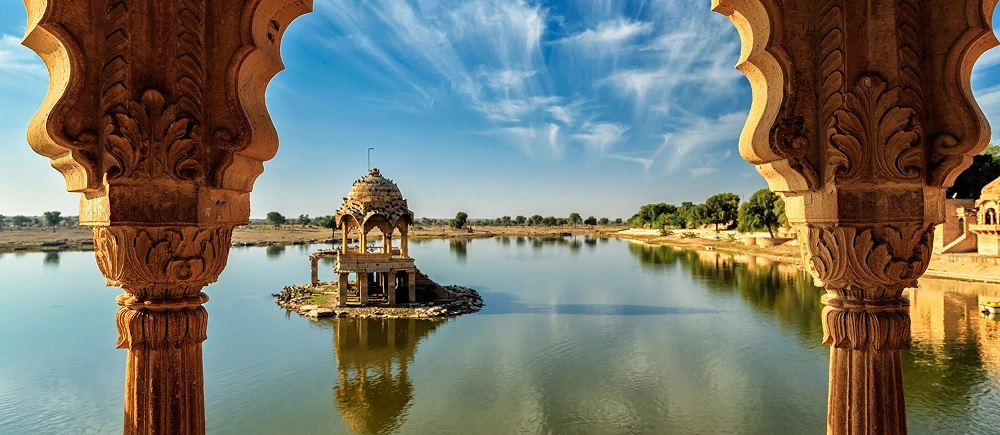
This unique cenotaph stands out with its umbrella-shaped domes and elegant stonework. Built in the Rajput style, it serves as a quiet memorial and a fine example of local heritage. Though lesser-known, it offers a serene setting for reflection and photography. The structure’s symmetry and open design make it especially beautiful during sunrise or sunset. Famous For: Architectural charm, quiet setting, photography. Best Time: October to March Entry Fee: Free
Mandalgarh Fort:
Located about 50 km from Bhilwara, Mandalgarh Fort is a hidden gem for history lovers. Though not as magnificent as Rajasthan’s famous forts, its rugged charm and panoramic views offer a real, authentic experience. Built centuries ago, the fort has seen many battles and rulers, and its weathered walls still echo tales of bravery. The drive to Mandalgarh passes through quiet villages and open fields, adding to the offbeat appeal and it’s a great spot for photographers Famous For: Offbeat fort experience, countryside view. Best Time: October to March Entry Fee: Free
Meja Dam:
Just a short drive from Bhilwara, Meja Dam is a popular spot for nature lovers. Surrounded by greenery and open skies, it’s ideal for birdwatching, and quiet strolls. The dam is well-known for attracting migratory birds during the cooler months, making it one of the best birdwatching spots in the region. Famous For: Nature walks, birdwatching Best Time: July to March Entry Fee:
Top Things to Do in Bhilwara
Visit a Textile Mill or Handloom Workshop
Explore Local Markets
Explore Nearby Villages
How To Reach Bhilwara?
The nearest airport is in Udaipur, about 160 km away. Taxis and private cabs are available from the airport to Bhilwara.
Bhilwara Railway Station is well connected to major cities including Jaipur, Delhi, Udaipur, and Jodhpur.
Bhilwara is well-connected by road to Ajmer, Udaipur, and Chittorgarh. Private. Private transport is ideal for flexible travel.
Things To Know Before Visiting Bhilwara
- If you’re visiting during Bhilwara Mahotsav or Holi, book hotels in advance — accommodations fill up quickly.
- Carry sunscreen, sunglasses, and a water bottle, especially during summer.
- People in Bhilwara are friendly and polite; greeting them with a simple “Namaste” goes a long way in making connections.
- Bhilwara is famous for textiles — look for shops selling handloom fabrics and suitings at factory outlets for better quality and prices.
- Local bazaars come alive after sunset, so plan your shopping and food walks during this time.
- Public transport is limited, so hiring a private cab is recommended for sightseeing.
- Carry some cash for small purchases, local markets, or transport, though ATMs are available.
Frequently Asked Questions
Popular Tour Packages
Most booked holidays, hand-picked by our travellers