
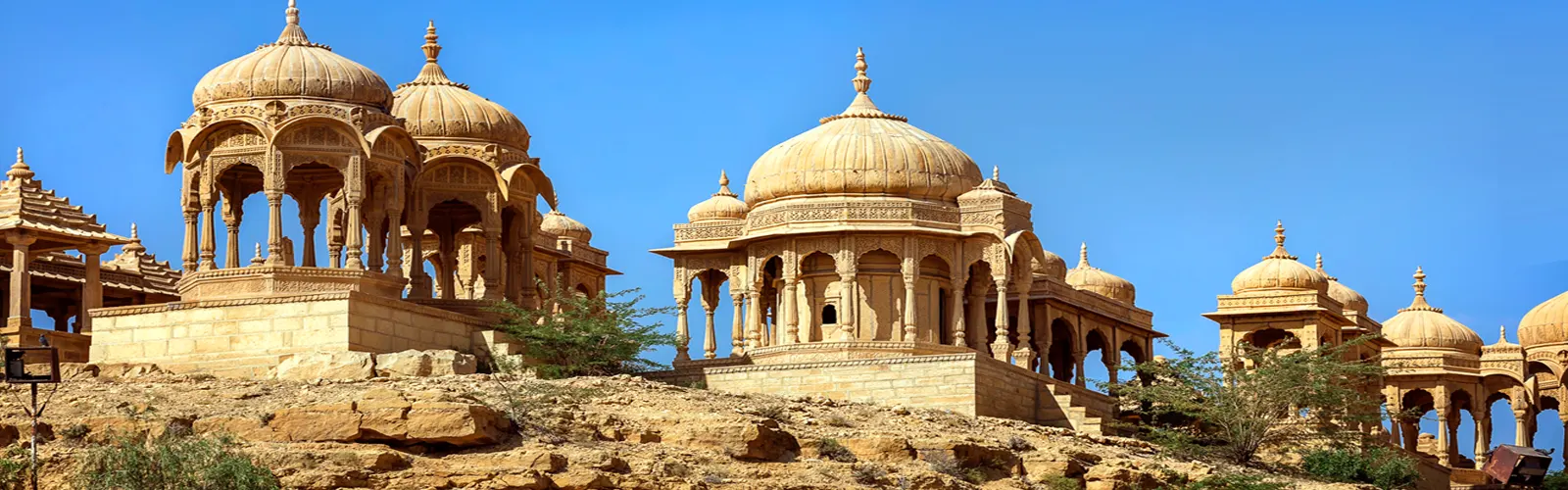
Famous Temples in Rajasthan – Top Pilgrimage Sites & Sacred Destinations
Introduction
Rajasthan, widley renowned for their majestic forts, vibrant customs, and boundless deserts, holds a significant spiritual roots woven into ancient ruins and holy practices. Home to several popular sanctuaries across the region, it unleashes long-standing worship, skilled Rajput artistry, along with varied religious imprints. More than just stunning buildings, these sites stand as strong signs of belief - where tales, folklore, and sacred moments feel real. Some feature intricate white stone carvings; others sit near the serene waters or rough terrain. Each sacred spot welcomes an experience blending heritage, inner reflection, and living tradition without losing simplicity.
Major Temples Overview
Among Rajasthan’s top spiritual destinations, the Dilwara Jain Templesat Mount Abu showcase astounding skill - crafted entirely from pure white marble, featuring detailed domes, sculpted pillars; fine engravings seem too fragile to last, yet they continue to mark these shrines among India's most striking Jain sites. Just as notable is the Brahma Temple in Pushkar, unique due to its dedication to Lord Brahma - a deity rarely worshipped in temple form - with an old red-topped design, connected closely to the holy Pushkar Lake where priests maintain time-honoured ceremonies, attracting tourists globally.
In the middle of Udaipur stands the impressive Jagdish Temple, devoted to Lord Vishnu - popular for bold Indo-Aryan design, intricate pillar carvings, along with a wide stone staircase guiding tourists toward the finely shaped Garuda hall, forming a major place of worship in the Lake City. Head toward Ranakpur, there lies the breathtaking Ranakpur Jain Temple, praised worldwide for its 1,444 distinct marble columns, perfect balance across spaces, while deep calm flows through its large chambers, seen as an outstanding example of sacred building and counted among Rajasthan’s most notable religious sites.
The tranquil holiness of this region grows stronger at Karni Mata Templein Deshnoke, often called the ‘Rat Temple,’ where swarms of kabbas - seen as reborn followers of the goddess - are treated as holy, turning the landmark into one of India’s more unusual shrines. Meanwhile, in Salasar, another powerful draw is the Salasar Balaji Temple, a place especially revered by worshippers of Hanuman; it gained popularity through legendary beginnings, houses a unique statue of the deity with a moustache, while many believe wishes made here come true or hurdles vanish - so crowds march dramatically during major festivals like Chaitra Poornima and Ashvin Poornima.
The magic lives on at Eklingji Templeby Udaipur,connected to Lord Shiva, popular for its four-sided black marble statue of Eklingji - seen as ruler of the Mewar kings who viewed themselves as his devotees; meanwhile, intricate old carvings, silver gates, and a calm holiness draw worshippers deep into prayer. Contributing further to Rajasthan’s sacred charm stands Galta Ji Temple, often named “Monkey Temple,” set within Aravalli ranges, recognized by spring-fed water pools, holy tanks, alongside monkeys roaming freely across grounds, offering a unique blend of wilderness and faith.
No visit to Rajasthan’s holy sites feels complete without visiting the Mehandipur Balaji Temple - honoring Lord Hanuman - it remains unique for practices aimed at inner healing, driving away dark forces, releasing souls from unseen burdens. Crowds arrive everyday hoping for miracles or peace. Just as revered is the Govind Dev Ji Templein Jaipur, home to a unique statue said to have come from Vrindavan, honored via hymns and grand ceremonies whose echoes spread across the regal palace grounds, marking it among North India’s holiest shrines devoted to Krishna.
Why Visit These Temples
Visiting the popular temples in Rajasthan isn't just about worship- it opens a way into art, heritage, belief, also deep feeling. Every place carries its own aura fragrant smoke, ringing metal, glowing light, together steady hymns shape spaces that calm emotions while lifting awareness. Tourists might partake in old customs, see intricate sculptures reflecting skill from forgotten times, or wander through grand enclosures whispering stories of rulers vanished. No matter if you're after quiet, grace, design wonder, or inner clarity, these holy places deliver touching experiences staying with you long afterward.
Festivals and Cultural Significance
The temples of Rajasthan glow during festivals, offering tourists a close glimpse at local worship traditions. While Pushkar Fair occurs by the Brahma Temple, the whole area shifts into a lively blend of colour, sound, and ritual dance. As for Gangaur Festival, it unfolds in numerous sacred sites through ornate statues, parades, plus community-led events focused on Goddess Gauri. Meanwhile, places such as Govind Dev Ji Temple or Jagdish Temple shine brightest at Janmashtami, Diwali, and Navratri - teemed with chanting, ceremonial fire offerings, packed inner yards - all radiating intense devotion.
