About Rajasthan’s Wildlife Sanctuary
Rajasthan tourism is home to several wildlife sanctuaries and national parks, offering the intersection of history, culture, and nature, as seen in the ruins within the parks.
The state also offers a unique wildlife experience in its hill station, the only one in the desert state, known for the Mount Abu Wildlife Sanctuary.
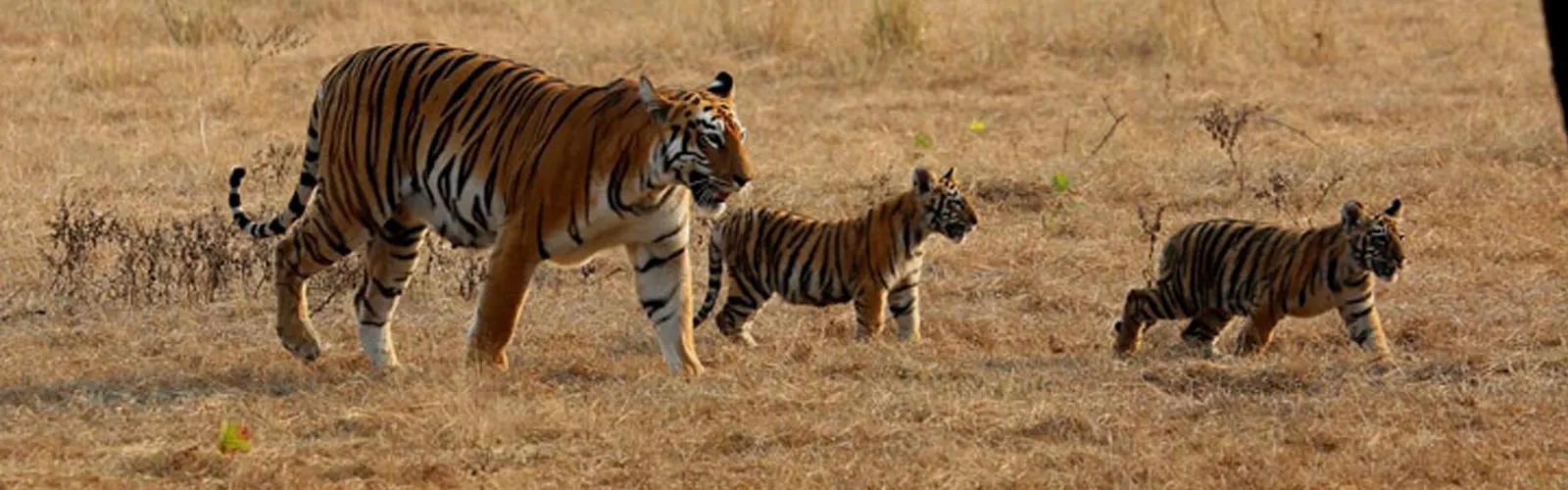
Ranthambore National Park and Sariska National Park: Famous for tiger sightings & tiger reserve; Keoladeo National Park: A crucial bird sanctuary;
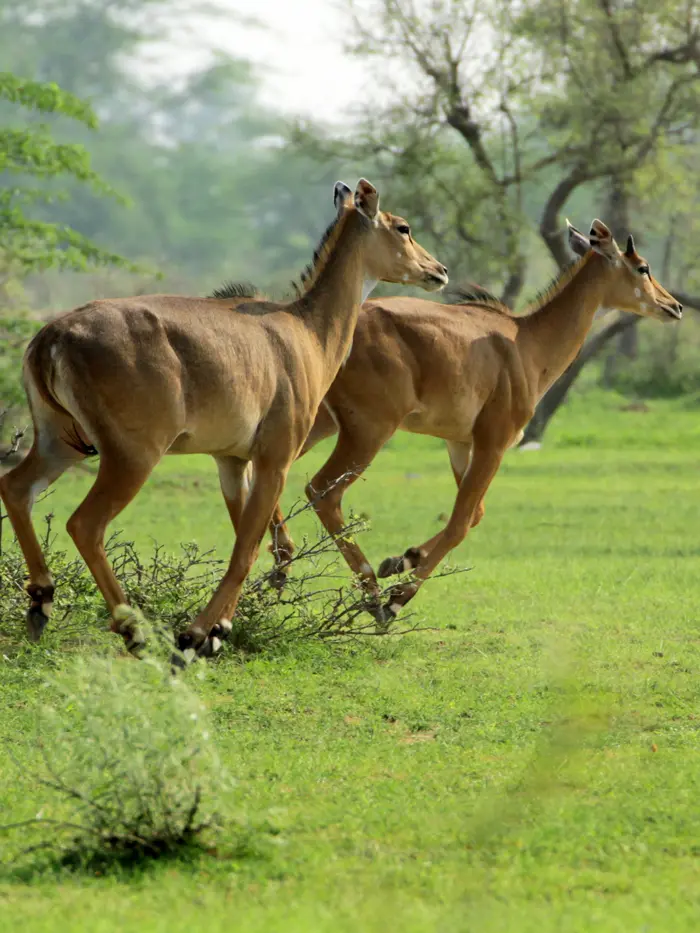
Desert National Park: Home to animals like the blackbuck and Indian wild ass;
Jawai: Known for leopard sightings;
Ramgarh Vishdhari Wildlife Sanctuary: A newer addition to the state's protected areas, home to leopards and other smaller cats. Explore Rajasthan's wildlife and natural beauty!
Attractions in Rajasthan’s Wildlife Sanctuary
Major attractions in Rajasthan's wildlife sanctuaries include Mukundara Hills Tiger Reserve (formerly Darrah Sanctuary).
Popular wildlife sanctuaries and national parks
Ranthambore National Park is in Sawai Madhopur, this park is one of North India's largest for its tiger population and historic fort, which also houses the Trinetra Ganesha Temple.
Safari options are available in both morning and afternoon.
Sariska Tiger Reserve : Situated in the Aravalli Hills, this reserve is famous for being the first in the world to have successfully relocated tigers. It is home to tigers, leopards, nilgai, and hyenas, along with over 200 bird species.
Kumbhalgarh Wildlife Sanctuary : Located near the massive Kumbhalgarh Fort, this sanctuary is a popular tourist spot for those visiting Udaipur and the fort. Its wildlife includes the Indian wolf, Indian leopard, and sloth bear.
Mukundara Hills Tiger Reserve : This area includes the former Darrah Wildlife Sanctuary and is a good place to see wolves, sloth bears, and chinkaras.
Mount Abu Sanctuary : A sanctuary located in the Aravalli Range, offering a different landscape and range of species to observe.
Jhalana Safari Park : Known as the "leopard city," this park in Jaipur offers a good opportunity to spot leopards.
Tal Chhapar Sanctuary : Known for its blackbucks, this is a popular spot for grassland wildlife enthusiasts.
Keoladeo National Park : It’s a UNESCO World Heritage Site in Bharatpur
Best Time to Visit Rajasthan’s Wildlife Sanctuary
The best time for wildlife sanctuaries is October to April for pleasant weather and wildlife spotting, with summers (April-June) offering excellent animal sightings at water sources despite the heat. For activities like desert safaris and cultural tours, the best time is November to March.
Activity-based recommendations
Wildlife Safaris
For Wildlife enthusiasts, photographers, and nature lovers who want to spot tigers and other native species, taking a guided vehicle (like a jeep or canter) into the sanctuary for wildlife viewing with the primary goal of spotting tigers and other animals.
Best for sightings: April to June, when animals are concentrated around water sources.
Safari timings may vary by season, with morning safaris typically from 6:00 am to 10:30 am and evening safaris from (approximately) 2:00 pm to 6:30 pm. Depends on the park and the type of vehicle, but expect a range of ₹3,000 to ₹10,000 per safari for a private jeep.
Heritage Walk
Activity involves for History buffs, culture enthusiasts, and photographers: Guided walking tour of historical forts, palaces, and old cities to learn about the local history and architecture. November to March for cooler weather, with morning or late afternoon walks being ideal. Duration: 2 to 3 hours. Approximate cost range: ₹500 to ₹1,500 per person, depending on the guide and duration.
Desert Safari
An excursion into the desert, often on a camel, with a visit to a desert village and a stay at a camp. November to March to avoid extreme temperatures. Typically, a half-day or overnight trip. Travellers seeking a unique cultural experience, adventure, and stargazing.
Approximate cost range: ₹2,000 to ₹5,000 per person for a half-day tour and ₹4,000 to ₹8,000 per person for an overnight stay.
Photography Tour
Focused tours, often with a guide, to the best locations for landscape, heritage, and wildlife photography. Photographers looking for high-quality shots of architecture, landscapes, and wildlife, from November to March, for comfortable shooting conditions and clearer skies.
Activities in Rajasthan’s Wildlife Sanctuary
Activities in Rajasthan's wildlife sanctuaries include game safaris (like jeep and canter safaris, often for spotting tigers), bird watching, and trekking. Game safaris, Birdwatching, Trekking, Boating. Adventure and cultural experiences like, Dune bashing and quad biking, jeep safaris across sand dunes and quad biking. Camel rides, Desert camping: Experience overnight stays in the desert, Animal interaction activities, Activities like feeding, bathing, or painting elephants, though it is important to choose ethical and responsible operators. Fishing may be permitted in certain areas but is generally not considered part of eco-tourism.
Some areas may allow limited, non-harmful activities like collecting certain natural resources for local communities.
How to Reach Rajasthan’s Wildlife Sanctuary
To reach a Rajasthan wildlife sanctuary, you can fly into the nearest major airport (like Jaipur or Jodhpur), take a train to the closest railway station (such as Sawai Madhopur for Ranthambore or Alwar for Sariska), or drive to the sanctuary via the state's road network.
The most convenient way to reach specific parks depends on your entry point.
Hire a taxi or rent a car and driver for the duration of your trip, as it provides flexibility and comfort for getting to different parks.
FAQs :