

About West Bengal
West Bengal, a state steeped in history from ancient empires to the pivotal 1947 partition, stands as India's cultural and intellectual heart. Its identity is defined by the rich Bengali tradition, famous for Baul folk music, Durga Puja, and literary giants like Rabindranath Tagore. Geographically unique, the state stretches from the Himalayan peaks (Sandakphu) to the vast, fertile Gangetic plains and the UNESCO World Heritage Sundarbans mangrove forests. An economic leader in agriculture and services (IT), West Bengal is truly unique for its artistic legacy and Kolkata's historic tram system, offering diverse West Bengal tour packages for travelers seeking heritage and nature.
Quick Important Facts & Information about West Bengal
|
Category |
Details |
|
Location |
Eastern India, stretching from the Himalayas in the north to the Bay of Bengal in the south |
|
Capital City |
Kolkata (formerly Calcutta) |
|
Area |
Approximately 88,752 sq. km |
|
Major Cities |
Kolkata, Siliguri, Darjeeling, Asansol, Durgapur, Howrah, Malda |
|
Languages Spoken |
Bengali (official), English, Hindi, Nepali, Urdu (in some regions) |
|
Climate |
Tropical in the south, humid subtropical in central regions, and alpine in the northern Himalayas |
|
Key Attractions |
Sundarbans National Park (UNESCO World Heritage Site, Royal Bengal Tiger), Darjeeling Himalayan Railway (UNESCO Site), Victoria Memorial, Hazarduari Palace (Murshidabad), Terracotta Temples of Bishnupur. |
|
Famous Festivals |
Durga Puja, Kali Puja, Poila Boishakh, Saraswati Puja, Dol Jatra |
|
Cuisine |
Rasgulla, Sandesh, Mishti Doi, Aloo Posto, Fish curry, Biryani (Kolkata style) |
|
Unique Experiences |
Tram ride in Kolkata, toy train in Darjeeling, Sundarbans tiger safari, tea estate stays |
|
Economy |
Diversified—agriculture (rice, potato, jute), tea industry, IT services, ports and logistics, manufacturing |
|
Specialty |
Rich intellectual and literary heritage, fine Darjeeling Tea, unique Terracotta art (Bankura Horse), India’s only operational tram system, and the world's largest mangrove forest (Sundarbans). |


Top Tourist Places to Visit in West Bengal
- Kolkata (City of Joy)
A cultural icon of West Bengal tourism, Kolkata is known for its colonial architecture, vibrant Durga Puja celebrations, and iconic landmarks like Howrah Bridge and Victoria Memorial. The city charms visitors with its literary legacy, tram rides, and irresistible street food. Best time to visit: October–February.
- Darjeeling
A highlight of many West Bengal tours and travel packages, Darjeeling is famous for its world-class tea estates, Himalayan views, and the UNESCO-listed Darjeeling Himalayan Railway. Visitors adore the sunrise at Tiger Hill and the town’s colonial charm. Best time to visit: March–May & September–November.
- Digha
Digha, a popular coastal escape, is known for its hard sandy beaches, casuarina-lined shores, and fresh seafood. Ideal for families and couples, it offers marine aquariums and peaceful seaside walks. Best time to visit: October–March.
- Kalimpong
A serene hill station featured in many West Bengal travel guides, Kalimpong is admired for its monasteries, handicrafts, and viewpoints like Deolo Hill. Its peaceful atmosphere makes it perfect for slow travel. Best time to visit: March–May, October–November.
- Shantiniketan
A cultural hub founded by Rabindranath Tagore, Shantiniketan is known for Visva-Bharati University, vibrant arts, and festivals like Poush Mela. It’s a must-visit for heritage lovers. Best time to visit: November–March.
- Sundarbans
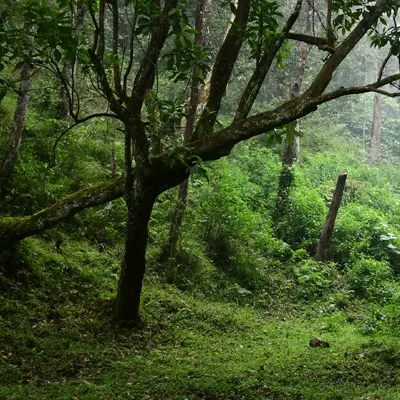
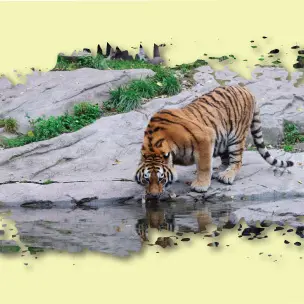
A UNESCO World Heritage treasure, the Sundarbans is famed for its mangrove forests, boat safaris, and the Royal Bengal Tiger. Ideal for nature enthusiasts seeking unique ecosystem experiences. Best time to visit: October–March.
- Dooars
Known as the gateway to Bhutan, Dooars is loved for its tea gardens, forests, and wildlife sanctuaries like Gorumara and Jaldapara. It’s perfect for safaris and nature photography. Best time to visit: October–March.
- Bishnupur
Famous for its terracotta temples and Baluchari sarees, Bishnupur showcases Bengal’s artistic brilliance. Its ancient clay-crafted temples attract heritage travelers. Best time to visit: October–March.
Religious Tourism in West Bengal
Religious tourism in West Bengal is a vibrant blend of spirituality, heritage, and cultural harmony, making it a significant highlight of many West Bengal tourism experiences. Home to ancient temples, revered mosques, sacred monasteries, and historic churches, the state embraces faiths of every kind, offering travellers a deeply enriching journey.
Hindu pilgrims often begin their spiritual trail at Kalighat Kali Temple, one of the 51 Shakti Peethas, followed by the iconic Dakshineswar Kali Temple and the serene Belur Math, the headquarters of the Ramakrishna Mission. Holy destinations like Tarakeswar, Tarapith, Kankalitala, Bahula, and the terracotta temples ofBishnupur further enhance the region’s sacred charm. Places like Mayapur Chandrodaya Mandir, a major ISKCON hub, draw global devotees.
West Bengal also reflects the harmony of multiple faiths. Important Islamic sites include Nakhoda Mosque, Furfura Sharif, and Murshidabad’sKatra Mosque. In the hills, Buddhist monasteries such as Ghoom Monastery, Bhutia Busty, and the Peace Pagoda offer serene spiritual retreats—often recommended in many West Bengal tour packages.
For Christian and Sikh devotees, landmarks like St. Paul’s Cathedral, Bandel Church, and several historic Gurudwaras complete the state’s diverse spiritual landscape.
Whether you seek meditation, pilgrimage, or cultural immersion, West Bengal’s religious circuit promises a meaningful and memorable journey.
Fair & Festivals of West Bengal
The fairs and festivals of West Bengal form the heart of its cultural identity, adding vibrancy to every season of the year. Known for its warm spirit and rich traditions, the state truly embodies the saying “Baro Mase Tero Parbon”—thirteen festivals in twelve months. For travellers exploring the region through West Bengal tourism or curated West Bengal tour packages, these celebrations offer an unforgettable cultural immersion.
The grandest of all is Durga Puja, a spectacular five-day festival that transforms the entire state with artistic pandals, cultural performances, and joyful gatherings. Following closely is Kali Puja, celebrated with devotion and glowing earthen lamps. Other beloved festivities include Saraswati Puja, Holi, Poush Sankranti, and Rath Yatra, each reflecting Bengal’s diverse cultural flavours.
West Bengal is also famous for its traditional fairs, many of which draw visitors from across India. The Ganga Sagar Mela on Sagar Island is one of the country’s largest pilgrimage gatherings. Rural celebrations like Poush Melain Shantiniketan, Kenduli Mela, Tusu Mela, and Vishnupur Mela showcase folk music, crafts, and the rustic charm of Bengal’s villages—often highlighted in many West Bengal tours and travels itineraries.
From spiritual celebrations to artistic fairs, the state’s festive calendar offers a vibrant and enriching cultural experience for every traveller.
Popular Dishes of West Bengal
West Bengal’s culinary heritage is one of its greatest attractions, often highlighted in West Bengal tourism experiences and curated West Bengal tours and travel packages. The cuisine is a delightful blend of subtle spices, rich textures, and centuries of cultural influences—from Mughal traditions to the region’s riverine bounty. A must-try for any traveller is Shorshe Ilish, the iconic hilsa cooked in a sharp mustard gravy, along with Macher Jhol, the comforting fish curry found in almost every Bengali household.
Vegetarian classics like Shukto, a bittersweet medley of vegetables, and Mochar Ghonto, made from banana blossom, reflect the state’s love for balanced flavours. Street food lovers will enjoy Kolkata’s legendary Kathi Rolls, crunchy Jhalmuri, and a variety of Telebhaja—the perfect evening snacks. For a more indulgent experience, Kolkata Biryani, known for its fragrant rice and signature potato, remains a favourite among travellers.
Staples like Luchi paired with Alur Dom and festive dishes such as Doi Murgi or Kosha Mangsho showcase the comforting side of Bengali cooking. No culinary journey is complete without tasting the state’s world-famous sweets—Rasgulla, Sandesh, Mishti Doi, and Chomchom—often recommended in many West Bengal travel guides. Together, these dishes create a rich, unforgettable gastronomic experience for every visitor.
Top Things to Do in West Bengal
- Heritage Walk in Kolkata
Walking through the 'City of Joy' to see iconic colonial marvels like Victoria Memorial, Howrah Bridge, Dalhousie Square, St. John’s Church, and the Writers’ Building. This heritage walk reveals layers of history and architecture.
Duration & Timing: 1.5–2 hours; best in the morning or late afternoon.
Best For: History buffs, photographers, culture lovers.
Approx. Cost: ₹300–₹800 per person (guided tours).
- Darjeeling Tea Garden Visit & Toy Train Ride
Stroll through lush estates, learn tea-making processes, and enjoy fresh brews, followed by a nostalgic ride on the UNESCO-listed Darjeeling Himalayan Railway (Toy Train) with panoramic views of the Himalayas.
Duration & Timing: 2–3 hours; mornings are ideal.
Best For: Nature lovers and slow travellers.
Approx. Cost: ₹200–₹700 (depending on estate entry and tastings). Toy Train: ₹1,000 – ₹1,700 (varies by class/route).
- Sundarbans Boat Safari
Explore mangrove creeks and spot wildlife, including the Royal Bengal Tiger. Many West Bengal tours and travels feature this activity as a highlight.
Duration: Half-day to full-day.
Best For: Wildlife enthusiasts and adventure seekers.
Approx. Cost: ₹1,500–₹4,000 per person.
- Bengali Food Tour
Taste local favourites like Kathi Rolls, Rosogolla, and Macher Jhol - an essential recommendation in any West Bengal travel guide.
Duration: 2–3 hours, best in the evening.
Best For: Foodies and culture explorers.
Approx. Cost: ₹500–₹1,500 per person.
Souvenirs to Buy in West Bengal
West Bengal offers a wonderful mix of cultural keepsakes that every traveller loves to take home. Handcrafted Kantha embroidery, elegant Baluchari and Tant sarees, and intricate Dokra metal art are some of the most cherished picks. Visitors exploring West Bengal tourism often choose terracotta works from Bishnupur or Shola pith crafts as unique décor items. Tea lovers shouldn’t miss premium Darjeeling tea, a favourite in most West Bengal tours and travel packages. For something sweet, pack some Rosogolla or Sandesh from iconic shops. These souvenirs reflect Bengal’s artistry and make thoughtful gifts for loved ones.
Things to Know Before Visiting West Bengal
- Cultural Hub: Be ready to experience a rich culture defined by its grand festivals like Durga Puja and a deep literary heritage.
- Language: While Bengali is predominant, English and Hindi are widely understood in urban areas like Kolkata, though communication may be challenging in rural regions.
- Cuisine: Prepare to indulge in the famous Bengali cuisine, centered on fish and rice (like Macher Jhol).
- Urban Travel: In Kolkata, expect heavy traffic and a mix of modern transport, traditional yellow taxis, and hand-pulled rickshaws.
- Crowds & Timing:West Bengal tourism peaks during festivals; anticipate heavy crowds at popular spots
Important Travel Tips for West Bengal
- Seasonal Planning: While winter is generally the best time to visit West Bengal, the humid summer months (April–June) are ideal for visiting high-altitude hill stations like Darjeeling for cooler temperatures.
- Stay Hydrated: Carry a water bottle and wear light cotton clothing for comfort, especially when exploring the plains during warmer months.
- Cash & Payments: For convenience on your West Bengal tours and travels, keep small denominations of cash handy, as street food stalls and local markets often prefer it over cards.
- Safety First: Be vigilant and mindful of your belongings in crowded areas like the Kolkata bazaars, popular tourist sites, and bustling railway stations.
- Local Transport: Utilize a mix of public transport options; pre-booking long-distance travel, especially during the peak West Bengal tourism season, is recommended.
How to Reach West Bengal
- By Air:
Netaji Subhas Chandra Bose International Airport in Kolkata is the main gateway, with regular domestic and international flights, ideal for those planning West Bengal tours and travels.
- By Train:
West Bengal is a major hub of Indian Railways. Howrah (HWH) and Sealdah (SDAH) in Kolkata are two of the busiest stations, connecting the state to nearly every corner of India, serving as convenient starting points for all West Bengal tour packages.
- By Road:
A vast network of National and State Highways connects West Bengal to neighbouring states. Excellent bus services and the convenience of hiring private vehicles make road travel a viable option for your West Bengal tours and travels.