
Ballavpur Wildlife Sanctuary
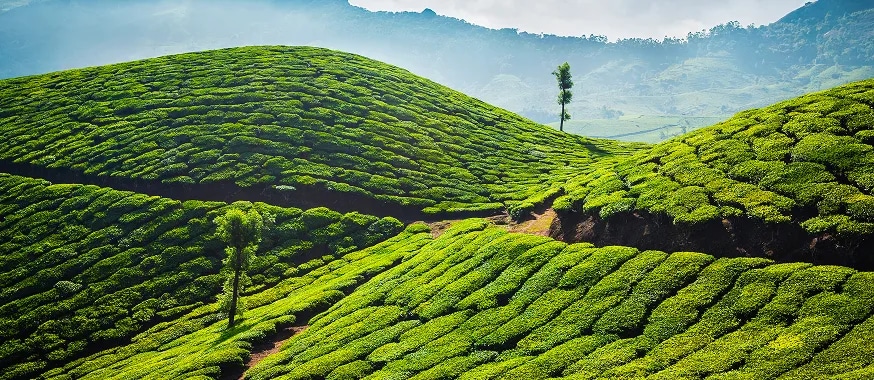
Ballavpur Wildlife Sanctuary, also known as Deer Park, is a serene 200-hectare haven in Bolpur, West Bengal. Home to spotted deer, blackbucks, and migratory birds, it offers scenic trails, peaceful lakes, and watchtower views. Located near Shantiniketan, it beautifully blends nature with culture. Best visited from October to March. Explore our exclusive Ballavpur tour packages today.
About Ballavpur Wildlife Sanctuary
Ballavpur Wildlife Sanctuary, also known as Deer Park, is a 200-hectare natural haven near Shantiniketan in West Bengal’s Birbhum district. Established in 1977 for deer conservation, it shelters spotted deer, blackbucks, foxes, and many migratory birds around its serene lakes. Reflecting the cultural spirit of Rabindranath Tagore’s Shantiniketan, the sanctuary promotes harmony between nature and art. It supports eco-tourism and local livelihoods while offering visitors a peaceful retreat for nature walks, photography, and wildlife observation. Blending biodiversity with cultural heritage, Ballavpur Wildlife Sanctuary is a perfect escape for those seeking tranquility amid Bengal’s natural charm and artistic ambiance.
Attractions of Ballavpur Wildlife Sanctuary
Ballavpur Wildlife Sanctuary, also known as Deer Park, is a serene nature reserve near Santiniketan in West Bengal, celebrated for its deer population, scenic lakes, and rich biodiversity. Spread across 200 hectares, it offers a peaceful retreat where nature lovers can explore forests, spot wildlife, and enjoy the calm surroundings.
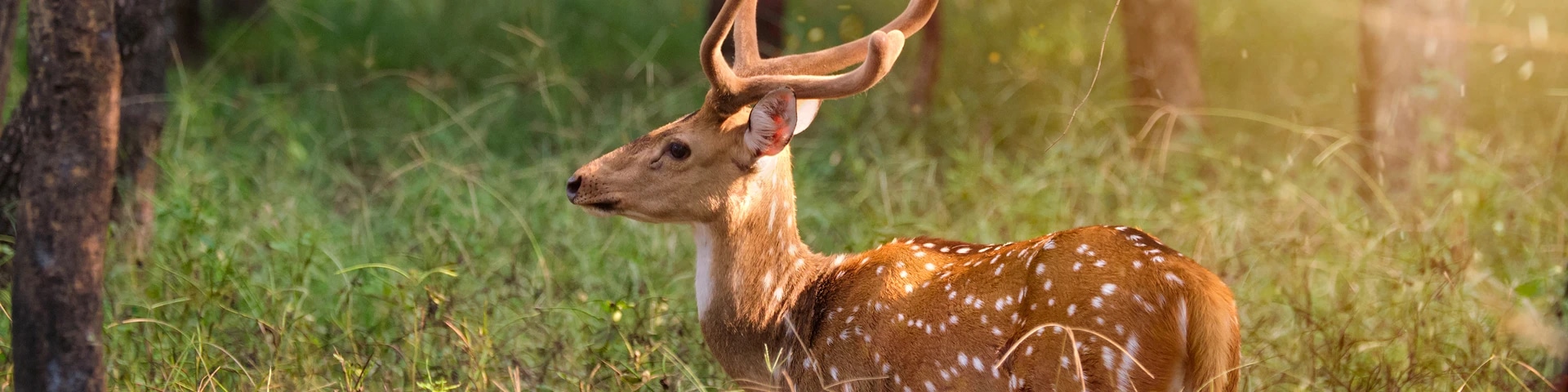
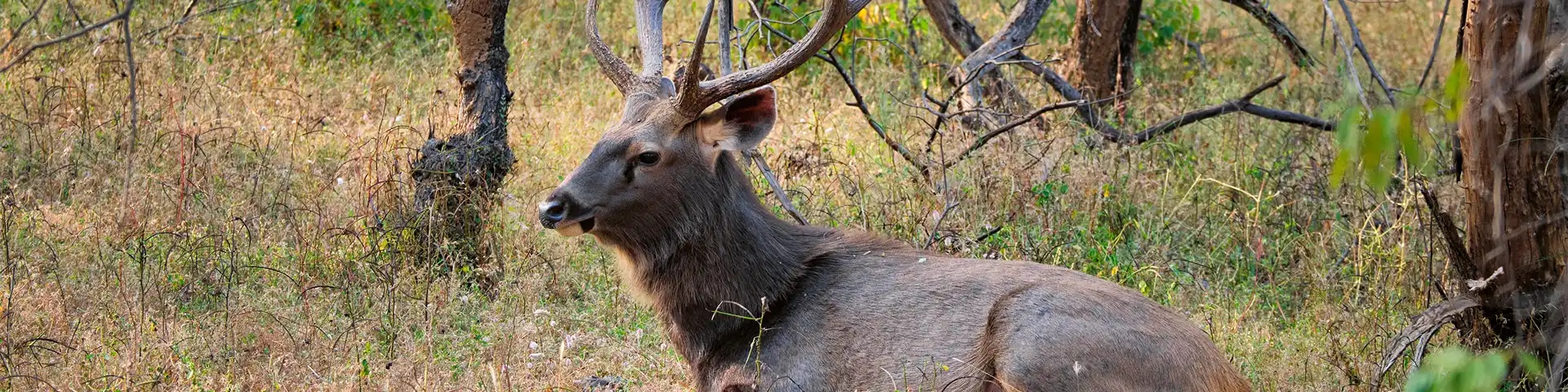
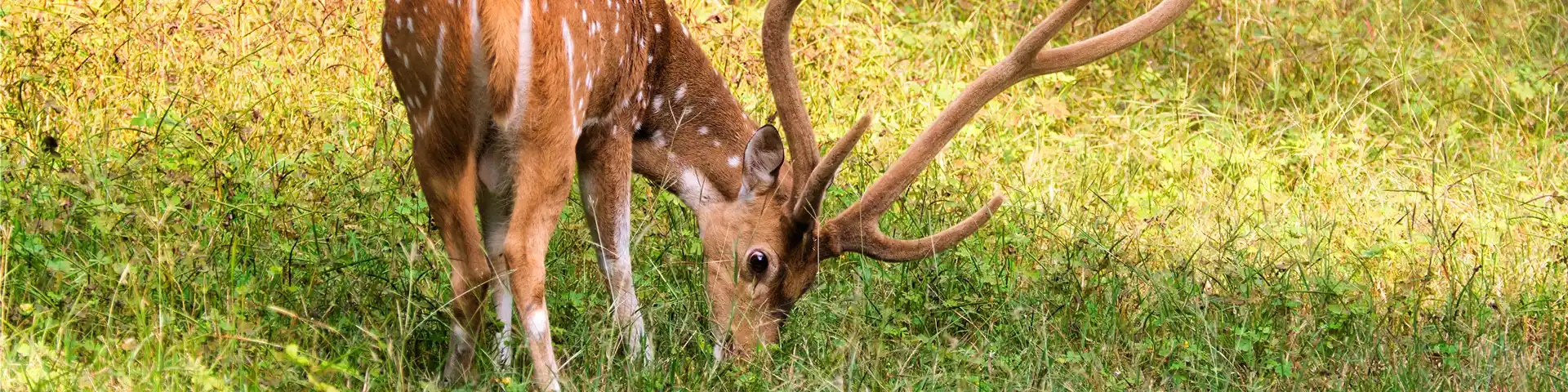
The main attraction is deer and wildlife viewing. The sanctuary shelters spotted deer (cheetal), blackbucks, jackals, foxes, and rabbits in a protected environment. Walking along the trails lets visitors observe these animals up close, especially during the afternoon feeding time a highlight for families and photographers alike.
Visitors can climb the watchtowers, which provide panoramic views of the sanctuary and its wooded areas. These elevated points are perfect for wildlife spotting and capturing scenic photographs of the lush greenery below.
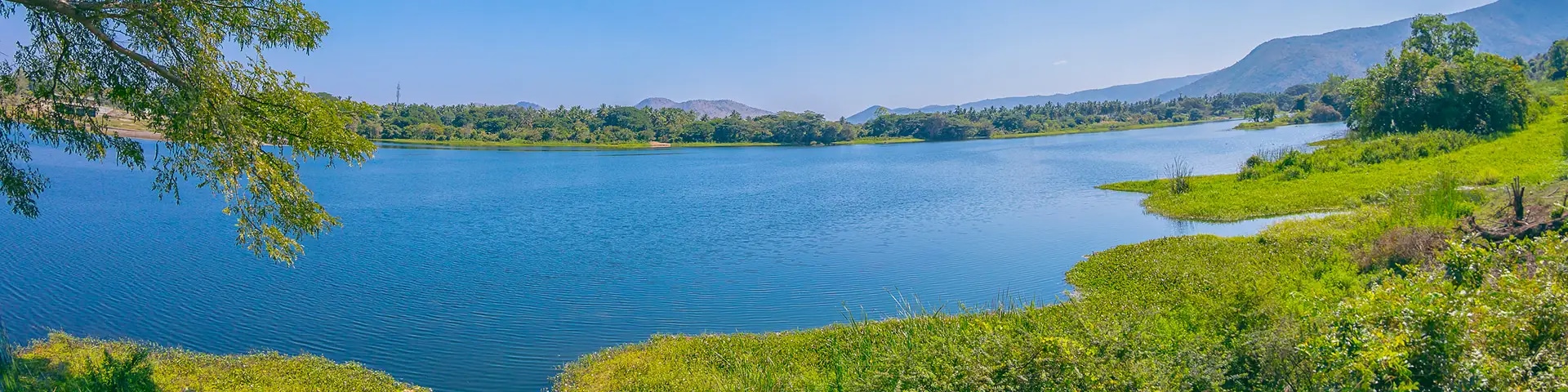
The three lakes inside the sanctuary attract a variety of resident and migratory birds, including kingfishers, peafowls, herons, and owls. Winter, from October to March, is the best time for birdwatching as migratory species flock to the wetlands, creating a vibrant atmosphere for bird enthusiasts.
Close to the sanctuary lies the Sonajhuri Forest and Khowai region, known for its red laterite landscape and tranquil setting. Visitors often explore this area for leisurely walks and the famous Shonibarer Haat, a weekend market offering local crafts, art, and traditional food an excellent glimpse into Santiniketan’s cultural life.
For those who love a slow-paced experience, the nature walks within the sanctuary are ideal. The well-maintained trails meander through dense forest patches, offering opportunities to learn about native flora and fauna.
Combining wildlife, scenic beauty, and culture, Ballavpur Wildlife Sanctuary offers a memorable escape into nature and is one of the most enriching destinations for eco-tourism in West Bengal.
Best Time to Visit Ballavpur Wildlife Sanctuary
Ballavpur Wildlife Sanctuary, also known as Deer Park, is a serene green haven near Santiniketan in West Bengal’s Birbhum district. Spread across 200 hectares, it offers a blend of wildlife, scenic landscapes, and peaceful surroundings, making it a perfect destination for nature enthusiasts.
The sanctuary’s main attraction is its large deer population, including spotted deer (cheetal) and blackbucks, freely roaming within protected enclosures. Visitors can also spot jackals, foxes, and rabbits while enjoying a tranquil walk along the forest trails. The best time to visit is in the morning when the animals are most active, especially during feeding hours.
The watchtowers provide panoramic views of the sanctuary, allowing visitors to observe wildlife from a distance and appreciate the lush greenery. The three natural lakes inside the sanctuary attract a wide variety of resident and migratory birds, including peafowls, kingfishers, herons, and owls. Birdwatching during the winter months, from October to March, is especially rewarding.
Just beyond the sanctuary lies the enchanting Sonajhuri Forest and Khowai region, known for their red laterite landscapes and rustic charm. The famous Shonibarer Haat (Saturday Market) here draws visitors with its local handicrafts, art, and traditional music, offering a vibrant cultural experience.
Nature walks within the sanctuary are another highlight, giving visitors an opportunity to connect with the environment while learning about local flora and fauna. These guided trails are ideal for peaceful morning strolls and photography.
Combining wildlife, culture, and natural beauty, Ballavpur Wildlife Sanctuary is not just a place to see animals but an immersive experience that captures the spirit of rural Bengal and the harmony between humans and nature.
Activities at Ballavpur Wildlife Sanctuary
Ballavpur Wildlife Sanctuary offers unique experiences in every season. The peak season from October to March has pleasant weather (50°F–86°F), perfect for deer spotting, birdwatching, and photography, though costs may be higher.
The shoulder season from April to May and late September is warm but quieter, ideal for relaxed sightseeing.
The off-season from June to September brings rain and lush greenery, offering budget-friendly travel but limited activities. Light cottons are best in winter, breathable clothes in summer, and waterproof gear during monsoon. Visitors can enjoy peaceful nature walks, wildlife viewing, and scenic watchtower views year-round.
How to Reach Ballavpur Wildlife Sanctuary
To reach Ballavpur Wildlife Sanctuary,
By Air: The nearest airport is Kazi Nazrul Islam Airport in Durgapur, about two hours away. The major international airport is Netaji Subhas Chandra Bose International Airport in Kolkata, from where you can take a connecting flight or train to Bolpur.
By Train: Bolpur Railway Station is the closest station, located around 5.5 km from the sanctuary. Autos, totos, and rickshaws are easily available for local travel.
By Road: Ballavpur Wildlife Sanctuary is well connected by road and only 5.5 km from Bolpur. Visitors can drive directly or hire local transport for a short, pleasant ride.
FAQs — Ballavpur Wildlife Sanctuary

Popular Tour Packages
Most booked holidays, hand-picked by our travellers