About Jhargram
History
At first ruled by the Malla monarchs, it then transformed into a regal domain during British rule. The stunning palace there still magnificent today - reflects its noble heritage. Teemed with ancient shrines, long-standing gatherings, along with unique celebrations, each nook shares stories of courage, belief,
Geography
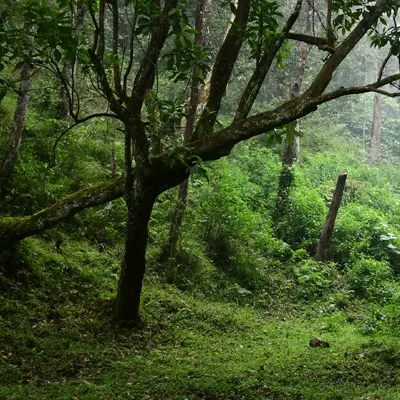
Jhargram rests right where the Subarnarekha River meets the hills of Belpahari–Kankrajhor, teemed with thick sal woods, sparkling lakes, yet rugged slopes too. Because it’s a spot just there, you can easily reach deep into Bengal’s wild side - think unspoilt green zones, walking paths through trees, or life in quiet villages instead.
Culture
Jhargram's culture blends tribal roots with lively folk expressions. While the Santhal people invites rhythm through song, the Munda add depth with handwoven crafts. During festivals, drum sounds echo across villages as bright clothing sways to traditional tunes. These moments, shaped by Lodha tales and rural beats, enriches Bengal’s living spirit.
Why Visit Jhargram
Jhargram feels like a paradise if you’re into greenery, peaceful slopes, or trekking through woods - historical palaces sit alongside village huts, while serene waters reflect the sky. Instead of rushing around, life here moves easy; encountering animals blends naturally with friendly locals and immersing into sweeping views.
Top Tourists Places To Visit in Jhargram
Jhargram Palace
The proud old palace of Jhargram rest right at the center of the region. It once used to be the residents of kings and queens. Today, some rooms work as a historical guesthouse. Green lawns envelope around it tightly, hugging the rusty-red stone walls that whisper stories of past elegance and bold legacy.
- Highlights: Royal architecture, landscaped gardens, heritage stay
- Best Time to Visit: October–February
Chilkigarh Raj Palace & Kanak Durga Temple
Located by the Dulung River, this blend of temple and royal land ties together faith and ancient times. Standing majestically since 1400s, the Kanak Durga Shrine attracts visitors no matter the season. Thick woods around it, along with crumbling palace walls, turn the spot into a go-to for snapping photographs.
- Highlights: Sacred ambiance, riverside views, ancient ruins
- Best Time to Visit: All year round
Kankrajhor Forest
A dense quiet woodland ideal for hiking - also perfect for spotting birds or setting up tents. Here’s where Jhargram gains its forest beauty name, seeing deer here, peacocks there, sometimes elephants wandering freely.
- Highlights: Jungle trails, wildlife, eco-adventure
- Best Time to Visit: October–March
Khandarani Lake
Sunsets at Khandarani Lake pulls attention, inviting tourists along with residents. Hidden among scenic slopes and thick trees, the spot’s ideal for drifting on boats, tossing a line into the water, or just unwinding near the shore.
- Highlights: Boating, picnic spot, scenic views
- Best Time to Visit: October–February
Deer Park & Jhargram Mini Zoo
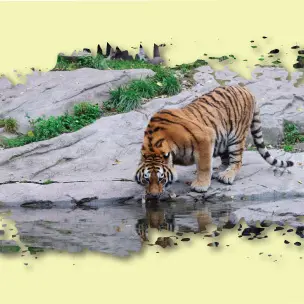
A must-visit spot in town which is ideal for family outing. Spotted deer, peacocks, or different birds just walking around. Quiet vibes here, so it’s ideal for a leisurely stroll or checking out greenery without rushing.
- Highlights: Family outing, wildlife spotting
- Best Time to Visit: November–March
Top Things To Do In Jhargram
Forest Camping
Sleep under the twinkling stars deep in Jhargram's thick woods. Enjoy lively folk dances by firelight - raw, real, memorable
- Best Suited For: Nature lovers, families, photographers
- Cost: ₹1,000–₹2,000 per night
Nature Walks & Birdwatching
Paths near Kakrajhore along with Belpahari unveil loads of different birds and peaceful woodland sights. Ideal for visitors who take it easy or care about nature.
- Best Suited For: Birdwatchers, photographers
- Cost: Free or guided walks ₹300–₹500
Boating at Khandarani Lake
Drift across serene water with greenery all around, turning it into a serene escape for two.
- Best Suited For: Couples, peace-seekers
- Cost: ₹200–₹400 per ride
Explore Tribal Villages
Discover village craft makers, catch some traditional dancing, and then immerse yourself into the real countryside life in places like Santhal or Lodha.
- Best Suited For: Cultural enthusiasts, explorers
- Cost: Guided tours ₹500–₹1,000
Best Time To Visit Jhargram
Peak Season (October–March)
The best time to visit is Jhargram is from October–March when the weather pleasant with temperatures ranging between 12°C to 28°C and ideal for exploring the palace, trekking through Kankrajhore forests, or wandering the surrounding areas. Durga Puja welcomes vibrant cultural energy, making this the favourable time.
Summer Season (April–June)
During summer, temperatures in Jhargram range between 30°C and 38°C. The weather is very dry, making only early mornings and late evenings ideal for outdoor activities. However one can expect less crowd density and reduction in accommodation rates
Monsoon Season (July–September | 25°C–32°C)
Monsoon transforms Jhargram into a lush, verdant landscape, with beautiful greenery and flowing streams enriching the region’s natural beauty. However it may sometime interrupt outdoor activities.
How To Reach Jhargram?
By Air :
The nearest airport is Netaji Subhas Chandra Bose International Airport (Kolkata), about 170 km away. From there, tourists can hire cabs or take buses to reach Jhargram in around 4–5 hours.
By Rail :
Jhargram Railway Station (JGM) is well-connected with Kolkata, Kharagpur, and Tatanagar via frequent express and passenger trains.
By Road :
Jhargram lies along NH-6, linking it to Kolkata, Kharagpur, and Medinipur. Regular government and private buses operate everyday
Things to know before visit Jhargram
- Mobile service are reliable in Jhargram town and in popular visitor areas but it may fluctuate in rural or hilly areas so download offline maps.
- Autos and cabs are easily available in Jhargram. For forest areas or tribal villages, hiring a car or jeep offers flexibility and convenience
- Carry insect repellent, quick snacks, water, basic medications, and a refillable bottle, particularly for hikes or eco-lodge stays.
- Jhargram is regarded safe for solo and family travelers. Evade isolated forest paths at night for personal and wildlife safety.
- ATMs are available in town, but small villages often require cash. Carry small amount as cards may not be accepted in remote locations.