About West Bengal Wildlife
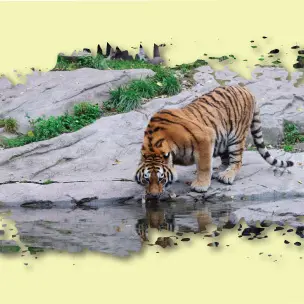
West Bengal travel package has over a dozen wildlife sanctuaries tourism, including those focused on mangroves like Sunderban - a UNESCO World Heritage Site and others in the Himalayan foothills like Mahananda. Most notably known for the Royal Bengal Tiger in the Sundarbans mangrove forests, the state's varied geography, from the Himalayan foothills to the plains and delta, supports a range of ecosystems, including the Darjeeling region's highlands and the fertile Ganges delta. Beyond big cats, wildlife enthusiasts can find numerous species in sanctuaries and national parks across these different environments. Visitors can experience a wide range of wildlife and ecosystems of the Himalayan foothills.
Attractions in West Bengal Wildlife
West Bengal is home to a diverse range of wildlife attractions, from the mangrove forests of the Sundarbans in the south to the Himalayan foothills in the north. Below are some of the key wildlife destinations, including their highlights, best time to visit, and entry fees.
Sundarbans National Park
A UNESCO World Heritage Site and the world's largest mangrove forest, forming a vast delta at the confluence of the Ganges, Brahmaputra, and Meghna rivers. It is an ecologically critical area with a unique estuarine ecosystem. The elusive Royal Bengal Tiger (the only tigers in the world that can swim in saltwater) and saltwater crocodiles. It is also a birdwatcher's paradise with a variety of local and migratory birds.
Jaldapara National Park
Located in the Dooars region of North Bengal, this national park features vast grasslands and riverine forests. It was declared a National Park in 2014 to protect its rich biodiversity. The Indian one-horned rhinoceros’ population, which is one of the largest in India. Visitors can also spot elephants, bison, spotted deer, and a wide array of birds, including the rare Bengal florican.
Gorumara National Park
Situated in the Dooars region, Gorumara is a mid-sized park with forests and grasslands, located on the flood plains of the Murti and Raidak rivers. A significant population of Indian one-horned rhinoceroses, along with elephants, gaurs (Indian bison), leopards, and various species of deer and birds. It's known for its well-organized watchtower visits and jeep safaris.
Neora Valley National Park
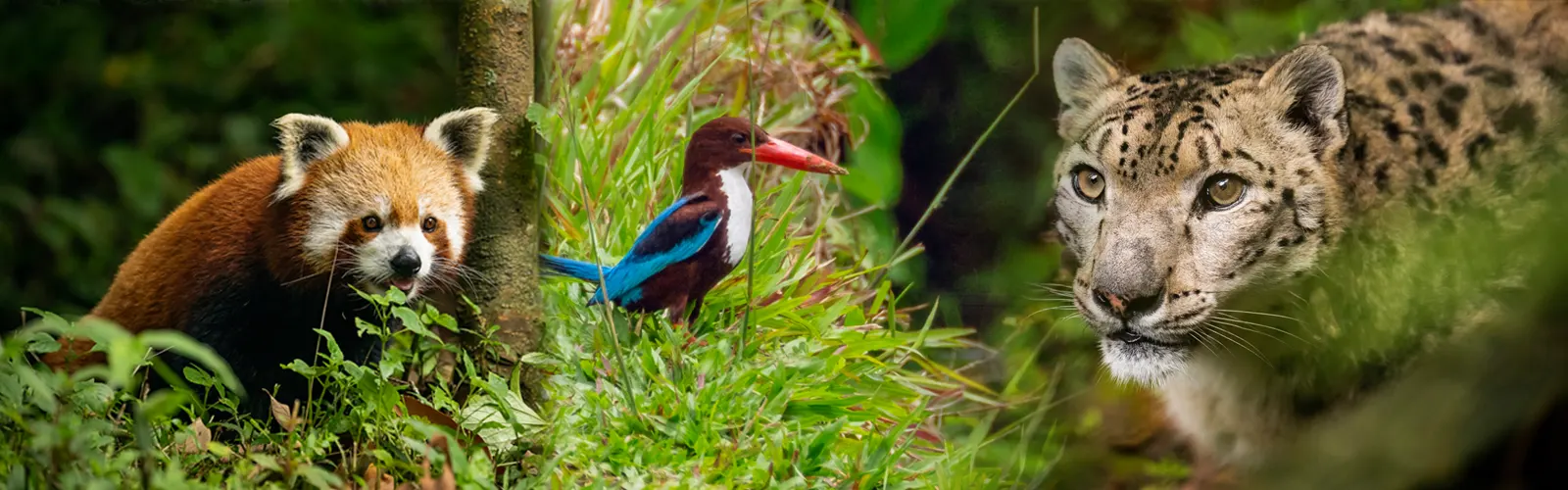
A dense, pristine, and less-explored national park in the Kalimpong district, known for its rich biodiversity and rugged terrain. It is a prime habitat for the elusive red panda and home to the Himalayan black bear, leopard, and a variety of bird species and orchids. Travel guide includes
trekking and spotting wildlife with prior permission required from the forest department.
Best Time to Visit West Bengal Wildlife
The best time to visit West Bengal for wildlife activities is during the winter season, from November to March, due to pleasant weather, higher chances of animal sightings, and the arrival of migratory birds.
Here are recommendations for specific activities and locations:
- Boat Safari (Sundarbans National Park)
Explore the world's largest mangrove forest and the unique habitat of the Royal Bengal Tiger via boat. Cruising along the narrow creek and river channels (Matla, Bidyadhari) with a licensed guide and forest permits. Key watchtowers like Sajnekhali and Sudhanyakhali provide viewing opportunities. Safaris run from approximately 8:30 AM to 4:00 PM. Most visitors book 2-day or 3-day tour packages that include accommodation and multiple safaris.
- Jeep Safari/Elephant Safari (Jaldapara & Gorumara National Parks)
The park is open from October to June (closed during the peak monsoon season).
Elephant safaris typically run in early morning shifts (around 5:30 AM - 8:30 AM), and jeep safaris operate during morning and afternoon slots. Feel the grasslands and forests of North Bengal, famous for the Indian one-horned rhinoceros. Guided jeep safaris are available, but elephant safaris are a highly recommended and popular way to get close to the rhinos and other wildlife in the early morning.
3. Bird Watching (Various Sanctuaries)
Best time is November to February. Early mornings are ideal for maximum bird activity.
West Bengal is a haven for bird watchers, especially during the winter when migratory species arrive. Do the specific bird sanctuaries and water bodies, with good binoculars and cameras,
Key spots include Chupi Char (Purbasthali), Sajnekhali Bird Sanctuary, and Latpanchar in the Mahananda Wildlife Sanctuary area. A dedicated full day is recommended for a great experience.
- Trekking and Nature Walks (Singalila National Park & Buxa Tiger Reserve)
During cooler months (winter and summer, avoiding heavy monsoon) are the best times to explore the Himalayan foothills and dense forests in the northern part of the state.
Trekking on established routes (like the Sandakphu-Phalut trail in Singalila) through forests of oak, magnolia, and rhododendron, or exploring the trails in Buxa. Treks can range from a few hours to multiple days, often involving stays in lodges or homestays.
Activities in West Bengal Wildlife
Activities in West Bengal's wildlife areas include safari rides (like elephant and jeep safaris) and nature walks in sanctuaries such as Bengal Safari.
Wildlife Safari tours for spotting animals like one-horned rhinos, elephants, and Bengal tigers.
Take the guided wildlife tours and nature trails.
Explore the Sundarbans mangrove forest via boat tours to see unique wildlife like Bengal tigers and various riverine species. Visit sanctuaries like Bibhutibhushan Wildlife Sanctuary also offers numerous wildlife activity.
How to Reach West Bengal Wildlife
West Bengal's wildlife, you can travel to major wildlife destinations like the Sundarbans National Park or Jaldapara National Park via airports in Kolkata or Bagdogra, respectively.
From there, use local transport, taxis, or pre-booked jeeps to reach specific sanctuaries such as the Sajnakhali Wildlife Sanctuary in the Sundarbans or the Senchal Wildlife Sanctuary near Darjeeling. The mode of transport depends on the specific sanctuary, with some requiring boat travel and others road access.
FAQs :