Other attractions include Ghagar Buri Chandi Temple, Nehru Park, and Bhabani Pathak’s Tilla. These places show the district’s mix of history, culture, and natural beauty. Visitors can enjoy exploring these landmarks, learning about local traditions, and experiencing the region’s unique charm.
Paschim Bardhaman offers a special experience with its combination of industry, history, and nature. It is easy to reach and worth a visit for anyone travelling in West Bengal.For the customized Paschim Bardhaman tours and travel packages- you can contact us and we will make your trip a happy & memorable experience.
About Paschim Bardhaman
Paschim Bardhaman is an important district in West Bengal. It is mainly known for its industries and urban development. The district was formed on April 7, 2017, after the old Bardhaman district was split. Asansol is the district headquarters.
The region grew around coal mining and heavy industries. These industries made it a key economic hub in the state. Over time, Paschim Bardhaman has also developed other sectors like manufacturing, textiles, and services.
Apart from industries, the district has cultural and natural attractions. Visitors can explore old temples, scenic hills, and beautiful water bodies. This mix of industry, history, and nature gives the district a unique charm. Paschim Bardhaman is easy to reach by road and rail, so tourists can visit throughout the year.
If you are looking for a trip to Paschim Bardhaman, we can organize customized Paschim Bardhaman tours and travels based on your travel preferences.
Top Tourists Places To Visit in Paschim Bardhaman
Maithon Dam
The distance from Asansol (which is the district headquarters of Paschim Bardhaman) to Maithon Dam is around 25 Km.
Maithon Dam is a popular destination for nature lovers. Built on the Barakar River, it has an underground power station, one of the first in Southeast Asia. Visitors can enjoy boating, take in the scenic views, or relax by the calm waters.
Kalyaneshwari Temple
The distance from Kalyaneshwari temple to Asansol (district headquarters of Paschim Bardhaman) is around 20 Km.
This temple is dedicated to Goddess Kalyaneshwari and it is more than 500 years old. It is believed to bless childless women with children. It is located near Maithon Dam and it attracts many devotees and visitors who come to seek blessings and experience its spiritual atmosphere.
Garh Jungle
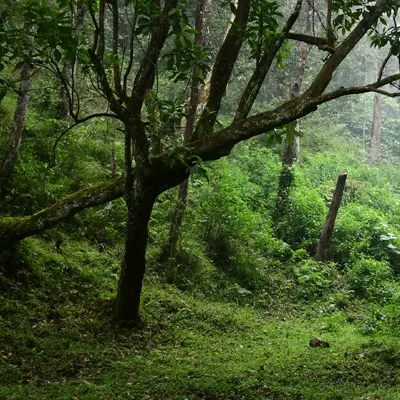
Garh Jungle is a place with both historical and religious importance. According to Hindu mythology, King Surath and Medhas Muni performed rituals here, which is linked to the origin of Durga Puja. The area is tranquil and offers a glimpse into ancient traditions. This place is 70 Km away from Asansol (the headquarters of Paschim Bardhaman).
Ichhai Ghosher Deul
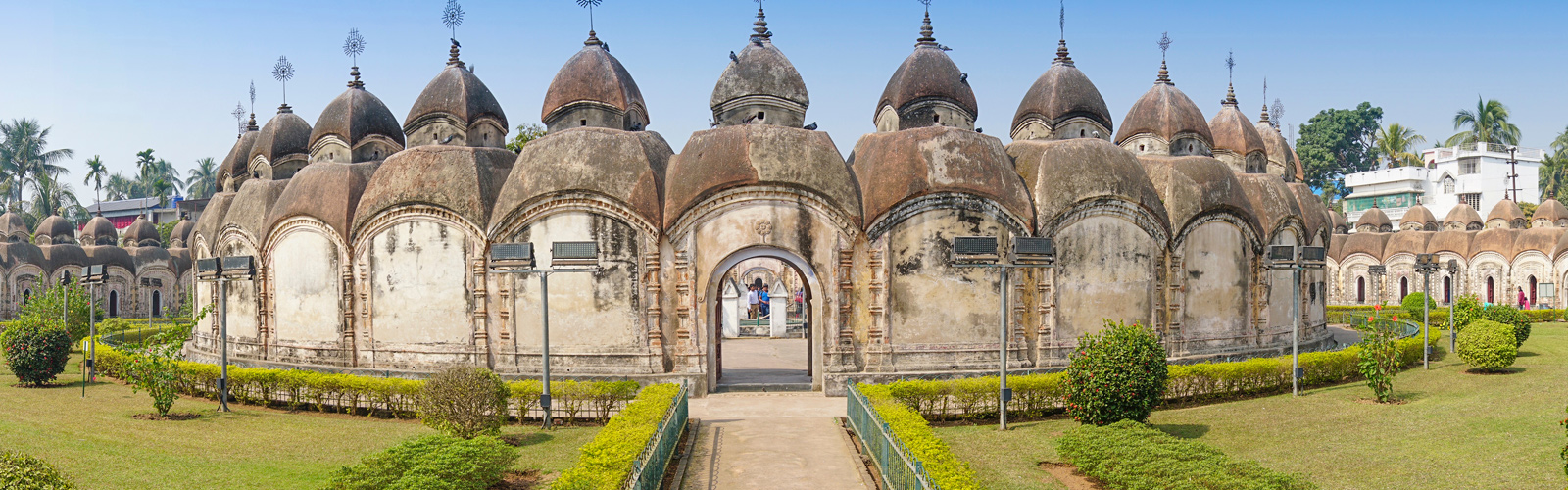
Ichhai Ghosher Deul is an old tower temple near Gourangapur. Built in the 16th–17th centuries, it is a beautiful example of traditional Bengali temple architecture. The Archaeological Survey of India has recognized it as an important historical monument. It is 70 Km away from Asansol (district headquarters of Paschim Bardhaman).
Ghagar Buri Chandi Temple
It is located in the heart of Asansol, this small temple is dedicated to Goddess Kali. It is the oldest temple in the city and holds special cultural and spiritual significance for the local community. It is just 7 Km away from Asansol.
Churulia
Churulia is the birthplace of the famous Bengali poet Kazi Nazrul Islam. Visitors can explore his ancestral home and learn about his life and literary contributions. The area reflects the rich cultural heritage of Paschim Bardhaman.
The distance from Asansol to Churulia is around 20 Km.
Top Things To Do In Paschim Bardhaman
Explore Historical Temples
Paschim Bardhaman is home to several old and beautiful temples. You can visit Kalyaneshwari Temple near Asansol, dedicated to Goddess Kalyaneshwari, and Ichhai Ghosher Deul near Gourangapur, a 16th–17th century tower temple. These sites offer a glimpse into the district's spiritual and architectural heritage.
Enjoy Nature at Maithon Dam
Maithon Dam, built on the Barakar River, is a perfect place to relax. You can enjoy boating, take a walk along the scenic banks, or simply sit back and admire the natural beauty of the area. It's ideal for families and nature lovers alike.
Visit Literary Sites
For those interested in literature, Churulia, the birthplace of Bengali poet Kazi Nazrul Islam, is a must-visit. You can explore his ancestral home and learn about his life, poetry, and contribution to Bengali literature.
Best Time To Visit Paschim Bardhaman
The best time to explore Paschim Bardhaman is from October to March. During these months, the weather is pleasant and comfortable for sightseeing, outdoor activities, and visiting temples or natural attractions.
It is advisable to avoid the summer months (April to June), as the region experiences hot and humid conditions. The monsoon season, from July to September, brings heavy rainfall, which may make travel and outdoor activities difficult.
How To Reach North Paschim Bardhaman
By Air :
The nearest airport is at Durgapur (which is around 1 hr drive from Asansol). The major international airport is Netaji Subhash Chandra Bose International Airport in Kolkata. It is about 200 km away (4–5 hrs drive) from Paschim Bardhaman. From the airport, taxis are available to reach the district. It's advisable to book transport, hotels, and guide services in advance.
By Rail :
Railway stations in Paschim Bardhaman are in Asansol, Durgapur, RaniGanj with connectivity to some nearby major cities
By Road :
Paschim Bardhaman is connected by road to nearby towns. Regular buses and taxis operate from Kolkata and other nearby cities.
Things To Know Before Visiting Paschim Bardhaman
Hotels:
Paschim Bardhaman is mostly an industrial area. Most hotels here are used by the business travellers rather than the tourists. Durgapur has a good deluxe hotel and Asansol has a decent standard hotel. Other than these, you will mostly find budget and mid-range options and you have to keep your expectations low on such accommodations.
Weather:
The best time to visit is from October to March, when the weather is pleasant. Summers (April to mid-June) are hot and humid, while the monsoon season lasts from mid-June to September. Light cotton clothes are suitable throughout the year.
Footwear:
Wear comfortable shoes for walking shoes. Since shoes are not allowed inside the temples, it is advisable to wear clean, comfortable socks to walk around inside the temples or you can walk around inside the temples without socks.
Health Precautions:
Drink sufficient water frequently, especially in summer. Carry mosquito repellent. If you are sensitive, carry basic medicines.
Language:
Bengali is the primary language spoken, but Hindi and English are also understood. If you don't speak Hindi/Bengali, an accompanying English speaking guide is recommended.
Connectivity:
Mobile networks work well in city/town areas like Asansol & Durgapur. Internet available at most of the places. At rural areas, it may be slow.
Local Etiquette:
Visitors need to respect local customs and traditions. Dress modestly when visiting temples. Be respectful during rituals. Ask for permission before taking photos of people or religious sites.
Cash and Currency:
Keep some cash handy for small shops, markets. ATMs are available in towns, but rural areas may rely on cash.
The local currency is Indian Rupee (INR). It is suggested to carry some cash. Most of the hotels accept credit/debit card payments. But card payment may be limited in smaller shops and cash would be required during the temple visits.
Essential items to pack :
Please remember to carry international adapter to charge your devices with ‘Indian power sockets. Also, carry mosquito repellent cream & basic medicines/tablets, sunscreen lotions & hats.
Shopping in Paschim Bardhaman:
Paschim Bardhaman is known for its traditional handicrafts, especially terracotta sculptures and Dokra metalwork made by local artisans. These crafts include decorative and religious pieces that showcase the district's rich cultural heritage. Visitors can shop for authentic handmade souvenirs that reflect the artistic traditions and craftsmanship of rural West Bengal.