
Munnar

Munnar Tourism

Discover the Emerald Hills of Kerala

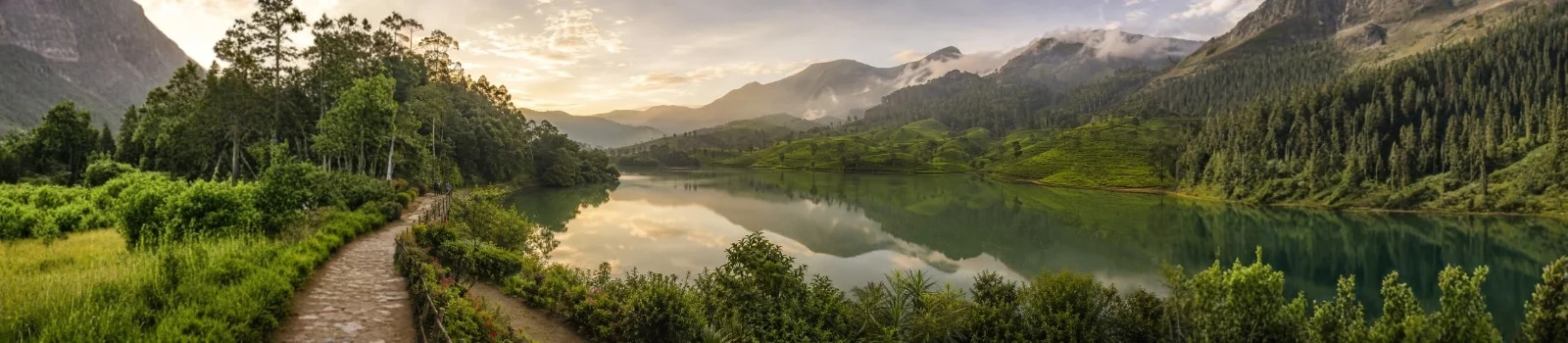
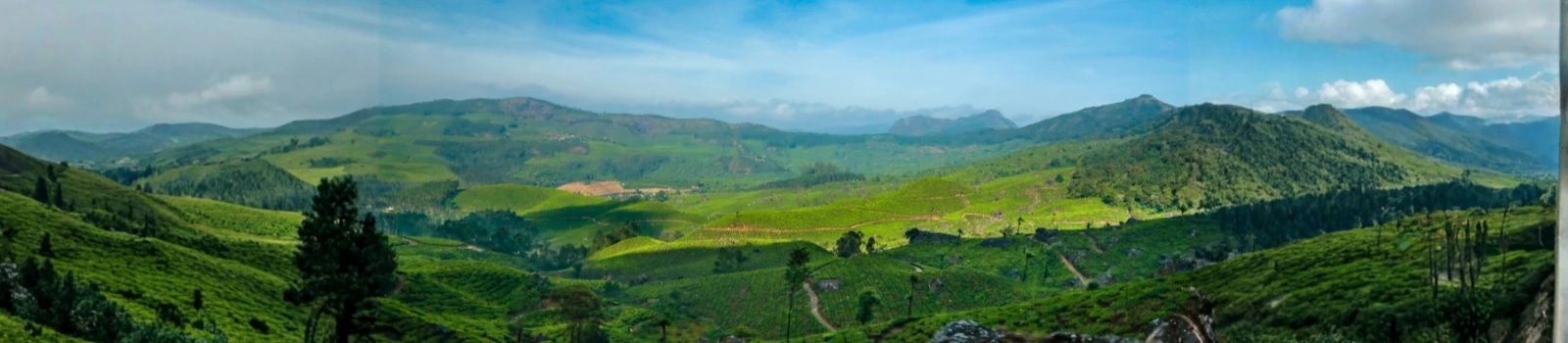
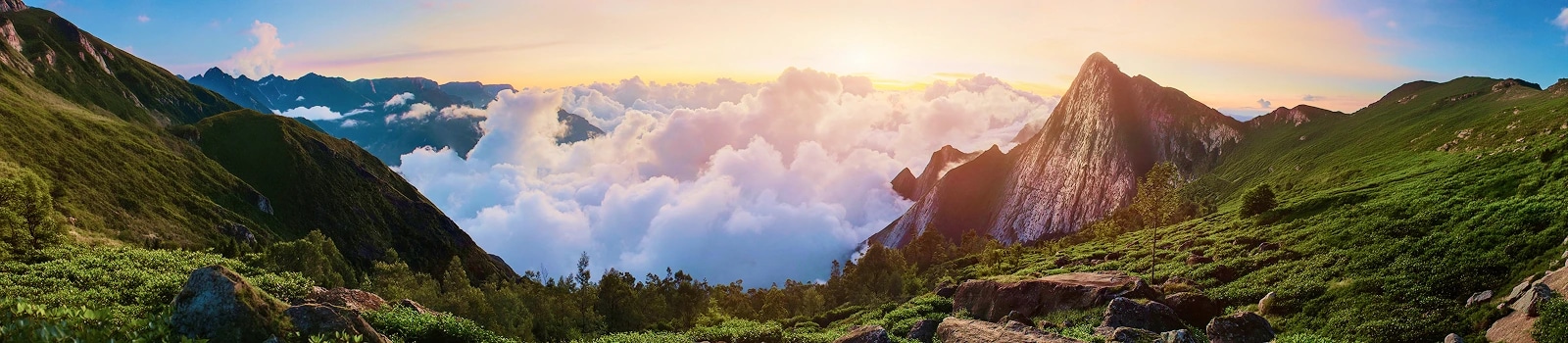
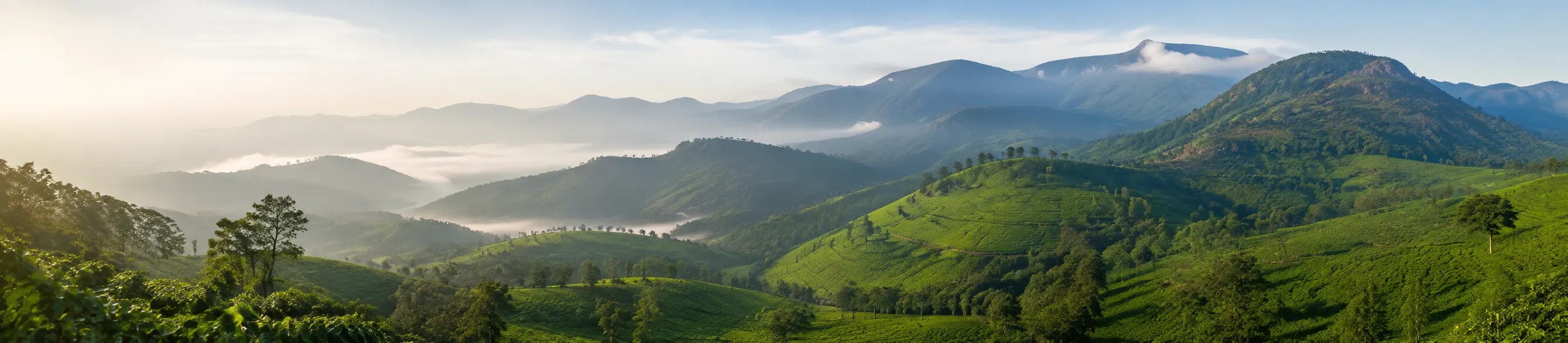
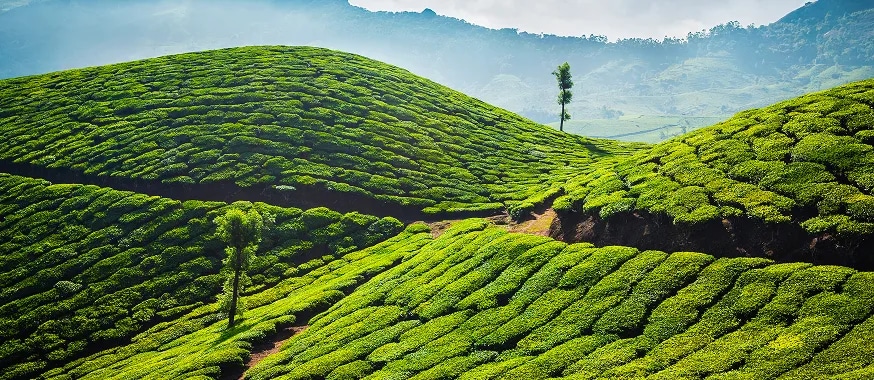
Perched high in the Western Ghats, Munnar is a hill station where misty mountains, rolling tea estates, and gushing waterfalls come together to create an enchanting landscape. Known as the “Kashmir of South India,” it's one of Kerala's most popular holiday destinations and a highlight of Munnar tourism.

Quick Stats

  • Location: Idukki district, Kerala
  • Famous For: Tea plantations, Eravikulam National Park, waterfalls
  • Best Time: September to March

About Munnar

Munnar, meaning “three rivers” in Malayalam, sits at the confluence of the Mudrapuzha, Nallathanni, and Kundala rivers. Once the summer retreat of the British, this scenic town now thrives as Kerala's premier hill station. With vast tea gardens, spice plantations, and unspoiled natural beauty, it offers a refreshing escape from urban chaos.

Culturally, Munnar reflects Kerala's rich traditions, while its landscape of rolling hills, lakes, and wildlife sanctuaries makes it a paradise for nature lovers. Today, Munnar plays a key role in Kerala's economy through tourism and tea production, attracting travelers from across the globe through its popular Munnar tours and packages.

Top Tourist Places to Visit in Munnar

If you're planning Munnar tours and travels, here are some must-see attractions:

Eravikulam National Park

A UNESCO World Heritage Site, Eravikulam National Park is home to the endangered Nilgiri Tahr. The park is also famous for the rare Neelakurinji flower, which blooms once every 12 years, covering the hills in shades of blue. The best time to visit is between September and March.

Entry fee: approx. INR 200 for adults.

Mattupetty Dam

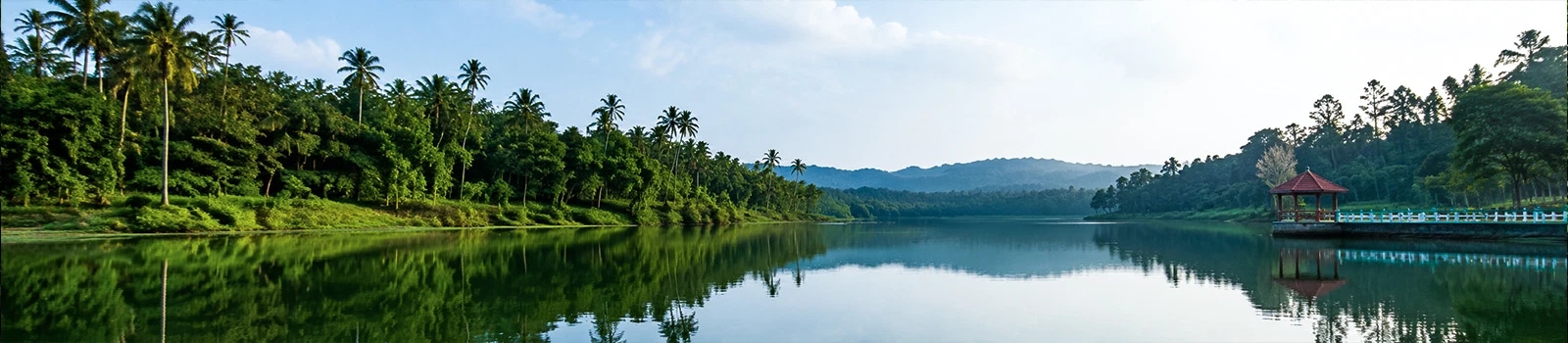
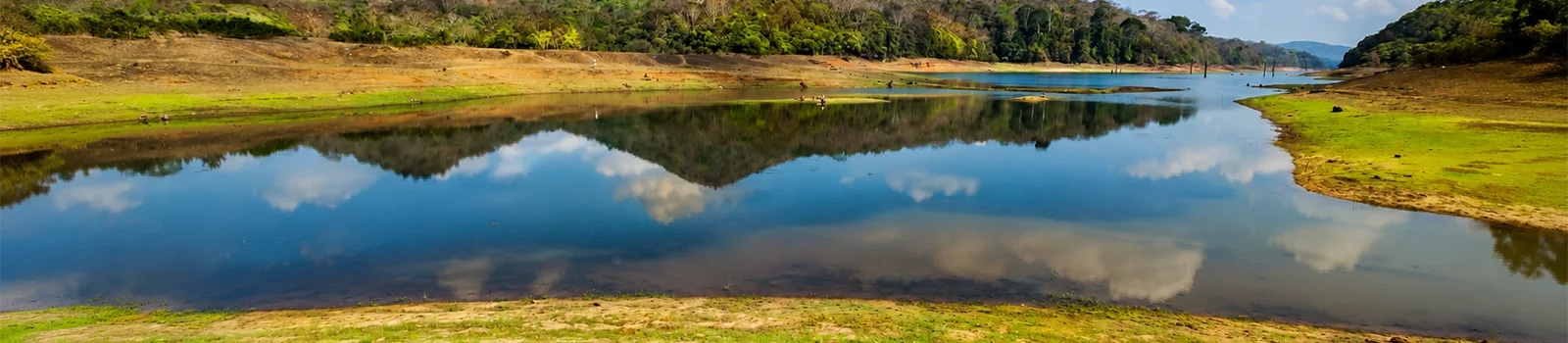
Nestled amid green hills, Mattupetty Dam is a favourite picnic and boating spot. The calm waters reflect the misty mountains, creating postcard-perfect views. Famous for speed boating and its Indo-Swiss livestock project nearby, it's best enjoyed during cool winter mornings. Entry fee: boating charges apply, depending on the type of ride.

Tea Museum

The Tata Tea Museum in Nallathanni Estate offers a fascinating journey into Munnar's tea-growing legacy. Visitors can see vintage machinery, photographs, and live demonstrations of tea processing. It's famous for showcasing colonial history and the evolution of tea culture. Best time to visit: year-round. Entry fee: approx. INR 125 for adults.

Anamudi Peak

At 2,695 meters high, Anamudi is South India's highest peak and a trekker's paradise. It's shrouded in dense forests with rare flora and fauna. Trekkers need permission from forest authorities beforehand. December to May is the best time to visit with clear skies and pleasant weather. Entry charge: included with permits.

Attukal Waterfalls

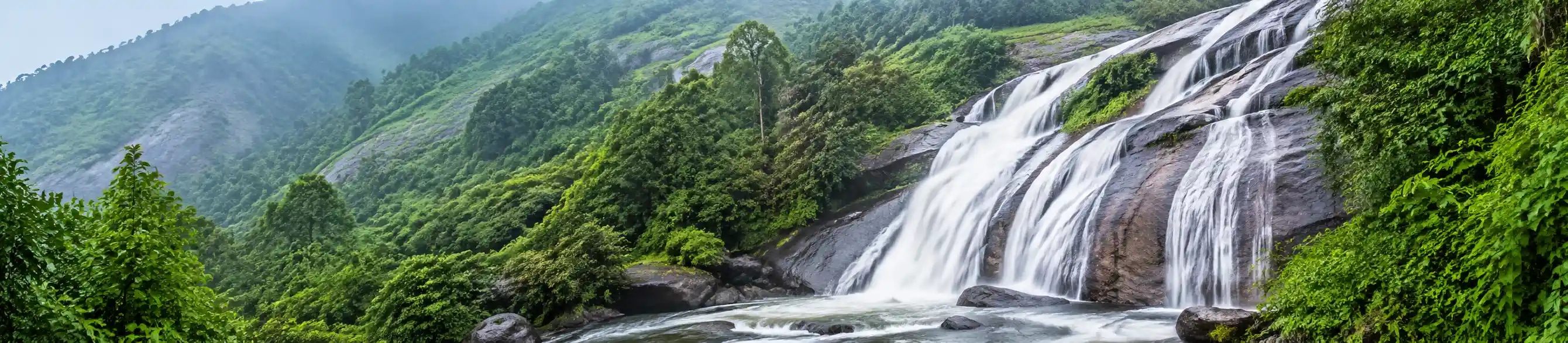
Attukal Waterfalls is a scenic cascade surrounded by rolling hills and dense forests. It's famous for trekking trails and misty monsoon beauty, making it a photographer's delight. The best time to visit is during the rainy season when the falls are in full flow. Entry fee: none, but access roads may be slippery.

Kundala Lake

This peaceful artificial lake, against the backdrop of eucalyptus groves and cherry blossoms, is perfect for a leisure boat ride. Pedal boats and shikara rides are enjoyed here. Kundala is close to the Echo Point too. The best time to visit is early morning for peace.

Entry fee: boating charges applicable.

Top Station

Situated at an altitude of 1,700 meters, Top Station provides breathtaking views of the Western Ghats and the plains of Tamil Nadu. It's famous for being the highest point in Munnar accessible by road and for breathtaking sunrise views. Best time to visit: October to March. Entry fee: none.

Top Things to Do in Munnar

Tea Estate Walks

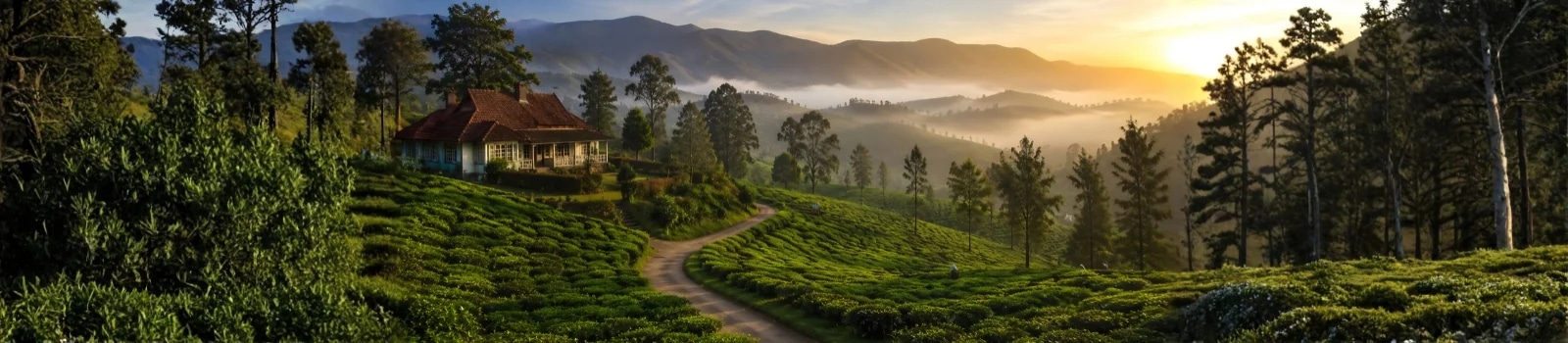
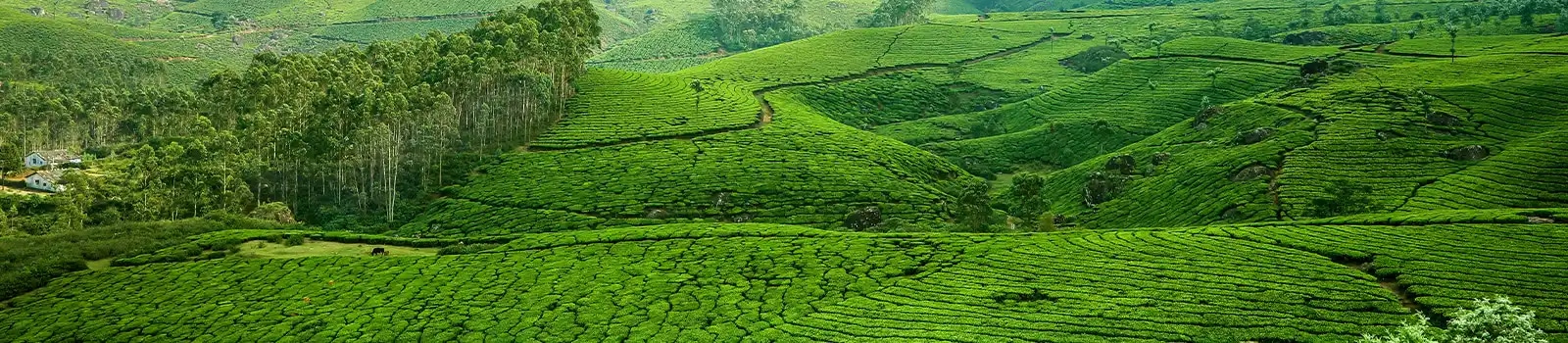
Taking a stroll through the emerald-green tea plantations is one of the most iconic aspects of Munnar. Guided walks offer a glimpse into the process of making tea and the life of plantation workers. It's renowned for stunning views and mountain air.

Best time to visit: year-round, particularly mornings.

Entry fee: varies with estate, typically nominal.

Trekking

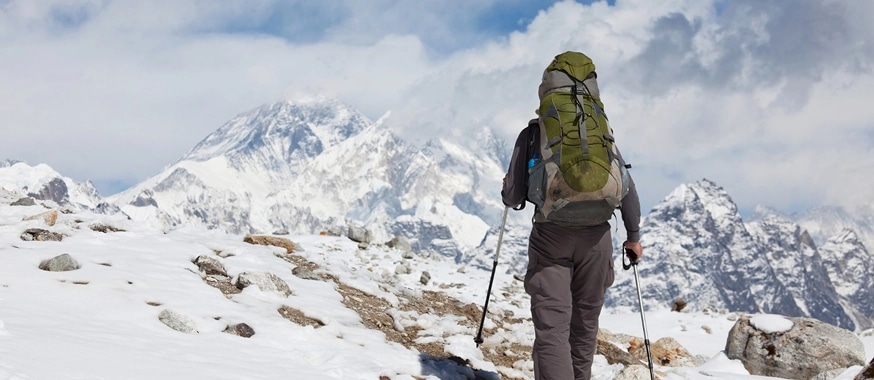
Munnar is a dream destination for trekkers, with trails that suit everyone—from gentle walks to tough climbs. Popular routes like Anamudi Peak and Chokramudi Trek reward you with sweeping views and a chance to spot rare plants and wildlife.

Best time to visit: December to May, when the skies are clear.

Entry fees: some trails may require permits.

Boating at Kundala Lake

Kundala Lake is the perfect spot for a quiet boat ride, surrounded by cherry blossoms and fragrant eucalyptus trees. You can pick from pedal boats, rowboats, or even the classic shikaras for a unique experience on the water. The lake’s calm setting makes it especially magical at dawn.

Best time to visit: Early mornings.

Entry fees: Boating fees vary depending on the type of boat you choose.

Camping and Birdwatching

Munnar's Silent Valley and Devikulam are ideal for camping under starry nights and viewing exotic bird species. Birdwatchers can sight Malabar hornbills and Nilgiri flycatchers.

Best time to visit: October to March for clear weather and bird activities.

Entry fees: vary according to campsites or tour operators.

Wildlife Safari

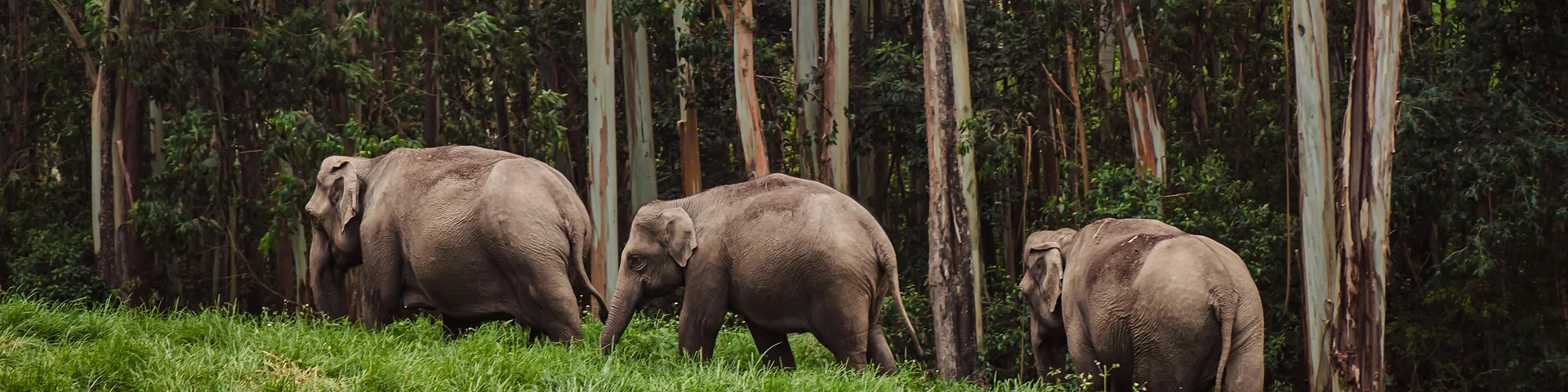
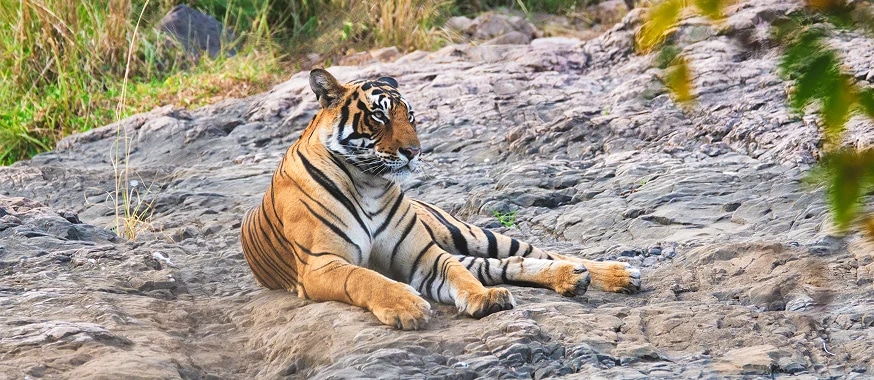
Head to Eravikulam National Park or Chinnar Wildlife Sanctuary for thrilling safaris. Spot elephants, Nilgiri Tahr, and a wide range of endemic birds and butterflies. It’s famous for its biodiversity and rare species. Best time: September to March. Entry fee: approx. INR 200 for Eravikulam; varies for other sanctuaries.

Shopping in Munnar Town

The thriving local bazaars of Munnar are ideal for purchasing homemade chocolates, spices, fragrant oils, and freshly packed tea. Tourists also relish local artisans' handicrafts.

Best time: evenings after sightseeing.

Entry fee: free

*Travel tips: Entry fees vary by activity, but most places are still budget-conscious or free, making Munnar a hill station accessible to all travelers.

Best Time To Visit Munnar

The peak season is from September to March, with pleasant weather, flowering plants, and a celebratory atmosphere, although it is more crowded. Shoulder season in April - May is hot but not uncomfortable, making it ideal for holidaying in summer. The off-season, from June to August (monsoons), offering budget-friendly stays and lush green landscapes, but limited outdoor activities.

In addition to the varied seasons, key festivals include Onam (August–September) and the Munnar Flower Show (December–January), which add cultural vibrancy to visits during these times.

Dress code: Carry light woollens in winter, cottons in summer, and rain gear during monsoons.

How To Reach Munnar?

Munnar is well connected by air, rail, and road.

  • By Air: The nearest airport is Cochin International Airport (110 km). From there, travelers can hire taxis or take state buses to reach Munnar in about 3–4 hours.
  • By Train: The closest railway stations are Aluva (110 km) and Ernakulam (130 km), both offering good connectivity to major Indian cities.
  • By Road: Munnar is well connected by road with Kochi, Aluva, and Madurai. Kerala State Road Transport buses, private coaches, and taxis provide scenic yet comfortable journeys through the Western Ghats.

Several Mattupetty packages and tours offer transfer from major transportation points for a comfortable and hassle-free journey.

Things to Know Before Visiting Munnar

Here are some essential Munnar travel tips:

  • Comfortable walking shoes are a must for tea estate strolls and hilly treks.
  • Some treks and forest zones require prior permits – check with the authorities.
  • Rain gear is essential during the monsoon season.
  • Pack necessary medicines, as chemists may be limited.
  • Book safaris and accommodations in advance during peak season.

These activities make Munnar tourism a fulfilling mix of adventure and relaxation.

FAQs:

The ideal time to visit Munnar is from September to March, when the climate is cool, misty, and perfect for sightseeing, trekking, and walking through tea estates. Warm summer days arrive in April–May but still permit comfortable traveling. The monsoon months, June–August, offer lush greenery and budget deals, though heavy rain may restrict outdoor activities.

A minimum of three days' stay is ideal to cover the prime spots like Eravikulam National Park, Mattupetty Dam, waterfalls, Top Station, and tea plantations. With four or five days, visitors can also indulge in treks, camping, and excursions to nearby places like Chinnar Wildlife Sanctuary. This timeframe balances relaxation and exploration comfortably.

Yes, Munnar is very safe for tourists. Travelers should follow standard precautions such as avoiding isolated spots after dark, safeguarding valuables, and sticking to recognized trails when trekking. Wildlife areas require adherence to guidelines, ensuring both safety and responsible tourism.

Yes. Munnar is safe for solo and female travelers, and a number of women have explored the place independently. Stick to popular places, select known hotels, and travel during the day for additional assurance. The warm hospitality of the town's people, the tourist infrastructure, and the friendly environment make it an easy destination for women and independent travelers.

Pack light woollens for evenings, light and breathable cotton clothes for daytime, and rain gear if one visits during the monsoon. Walking shoes are necessary for walking around tea estates and hiking. Sunscreen lotion, insect spray, and a camera also need to be packed. Travelers planning remote visits should carry medicines, cash, and personal essentials.

For deluxe vacations and picturesque tea plantations, Chithirapuram and Pallivasal make ideal options. Old Munnar Town is better suited to budget tourists, with nearby markets and transportation. Those seeking tranquillity can choose Devikulam, known for its serene setting. Each area offers options across budget levels, with advance booking advisable during peak travel season.

The public transport network is sparse, especially to remote tourist sites. Cabs, rental cars, or private jeeps provide greater convenience and flexibility for visiting multiple destinations in a single day. Auto-rickshaws and shared jeeps are options for short commutes, but are not universally available. Renting a car is generally preferable.

Munnar does not have its own airport. The nearest is Cochin International Airport, about 110 km away, with a drive of 3.5 to 4 hours through scenic mountain roads. Travelers can use private taxis, pre-booked cabs, or Kerala State Road Transport Corporation (KSRTC) buses for a convenient transfer to Munnar.

Munnar caters to all budgets with accommodations ranging from luxury tea estate resorts and boutique hotels to mid-range hotels, homestays, and budget lodges. Treehouses, heritage bungalows, and eco-friendly properties offer special experiences. Most hotels have commanding views of the plantation. Advance bookings guarantee good options, particularly during peak tourist season.

If traveling during the peak season (September–March), book hotels at least 2–3 months in advance to secure good deals and availability. Last-minute bookings can be possible during the summer and monsoon. But family travelers and high-end travelers must plan in advance to avoid disappointment, particularly for popular tea estate resorts or exclusive stays.

Munnar's cuisine is a mix of Kerala flavours, with some of the specialties including appam with stew, Kerala parotta with curry, and spicy fish dishes. Banana chips, homemade chocolates, and cardamom tea are a must-try. Resorts usually provide the traditional Kerala Sadya on banana leaves. Tea enthusiasts can try some of the aromatic varieties fresh from local plantations.

ATMs are available in the main town area, though less frequent in remote villages. Most hotels, resorts, and restaurants accept debit and credit cards, but smaller shops and local markets often prefer cash. Travelers should carry enough local currency for transport, entry tickets, tips, and small purchases, ensuring hassle-free transactions.