

Parambikulam Wildlife Sanctuary
Escape to the untouched beauty of Parambikulam Wildlife Sanctuary, a stunning eco-tourism spot in South India. Nestled in the Western Ghats, this biodiversity haven features lush forests, tranquil reservoirs, and opportunities to spot rare wildlife. It’s an ideal getaway for nature lovers and responsible travelers seeking an immersive jungle adventure.
Explore Parambikulam Wildlife Sanctuary travel packages now with Indian panorama.
About Parambikulam Wildlife Sanctuary:
Parambikulam Wildlife Sanctuary, situated in the Western Ghats, is a protected tiger reserve celebrated for its ecological diversity and conservation achievements. Established back in 1973, it plays a crucial role in safeguarding endangered plants and animals. The sanctuary is also a testament to the rich cultural heritage of the tribal communities that practice sustainable living in this area. With its evergreen forests, winding rivers, and tranquil reservoirs, it creates a vibrant habitat. Eco-tourism here not only supports local economies but also helps maintain a balance with the environment.
What truly sets Parambikulam Wildlife Sanctuary apart is its community-driven conservation approach.
This Parambikulam Wildlife Sanctuary travel guide highlights why it stands out among places to visit in Parambikulam Wildlife Sanctuary tourism.
Attractions in Parambikulam Wildlife Sanctuary:
Parambikulam Tiger Reserve
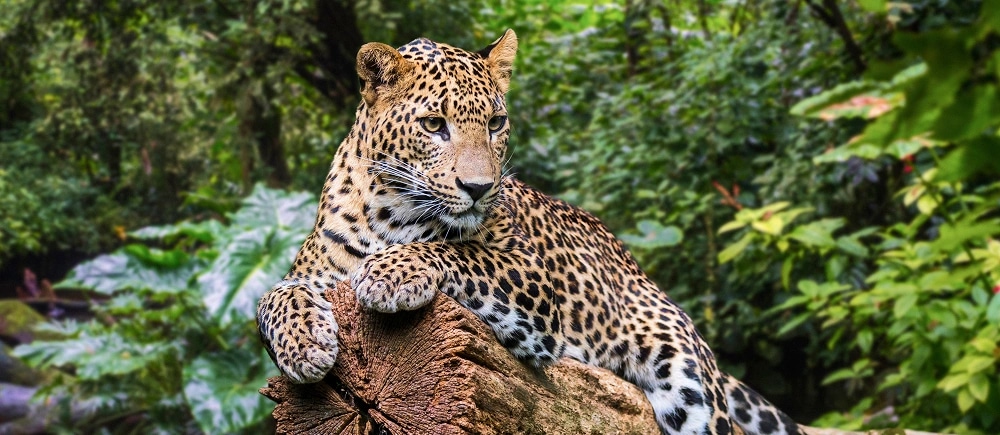
If you're a wildlife lover, this reserve is a must-visit! You can spot majestic tigers, elephants, and leopards roaming freely. It's renowned for its incredible biodiversity and dedicated conservation efforts. The best times to explore are early in the morning or during the evening. Please note that there are entry fees in accordance with the forest department's guidelines.
Thunakadavu Dam
A scenic reservoir surrounded by lush forests, ideal for relaxation and photography. It's well-known for its serene waters and fantastic birdwatching opportunities. The winter months are the ideal time to visit. Plus, entry is included with your sanctuary permits.
Kannimara Teak Tree
This gigantic teak tree is over 450 years old and considered sacred. It is famous as one of the largest teak trees in Asia. Visit after the monsoon for the best views. No separate entry fee required.
Parambikulam Reservoir
This tranquil water body offers a chance to experience boating amidst wildlife-rich surroundings. It is renowned for its eco-tourism activities and breathtaking scenery. The prime time to visit is from November to February, but keep in mind that boating is chargeable.
This curated list of top attractions in Parambikulam Wildlife Sanctuary ensures travelers experience the essence of Parambikulam Wildlife Sanctuary tourism.
Best time to visit Parambikulam Wildlife Sanctuary :
The ideal time to visit Parambikulam Wildlife Sanctuary is from October to March, when the weather is pleasant, and wildlife sightings are at their peak. The winter months are particularly popular, offering cool temperatures and manageable crowds. If you visit during the shoulder season from July to September, you'll be treated to lush greenery, but you might encounter some rain. The summer months (April–June) can be quite hot, but they also provide budget-friendly travel options. Throughout the year, temperatures can range from 15°C to 32°C, and the monsoon season really enhances the area's natural beauty.
Planning your visit to Parambikulam Wildlife Sanctuary according to the seasons can greatly enhance your experience. This travel guide will help you navigate your journey.
Activities in Parambikulam Wildlife Sanctuary:
Jungle Safari
Dive into the excitement of a Jungle Safari, where you can spot incredible wildlife on guided jeep tours through the reserve. These safaris usually last between 2 and 3 hours and are available in the morning and evening. It's a perfect adventure for wildlife lovers and photographers alike. Prices vary based on the type of vehicle and the size of your group.
Bamboo Rafting
For a more tranquil experience, try Bamboo Rafting. You’ll glide over calm waters while keeping an eye out for animals along the banks. This activity lasts about 2 hours and is best enjoyed during the day. It’s ideal for nature enthusiasts looking for a peaceful outing, and the pricing is quite reasonable.
Trekking
Explore forest trails with trained guides, which offer opportunities for close encounters with a diverse flora and fauna. Treks vary from short walks to half-day adventures, making them suitable for moderately fit travelers. Costs vary based on the chosen route and duration.
Bird Watching
Parambikulam serves as a sanctuary for a variety of bird species. Early morning sessions are the best, often led by guides, making it a fantastic opportunity for photographers and nature lovers. There’s just a small additional fee for this experience.
These engaging experiences make Parambikulam Wildlife Sanctuary tourism ideal for eco-conscious travelers seeking meaningful adventures
How to Reach Parambikulam Wildlife Sanctuary
By Air: Coimbatore International Airport (CJB) is 95-110 km away and well-connected to major cities. Cochin International Airport (COK) is around 156 km from Parambikulam. You can hire a cab to reach the sanctuary.
Train: Palakkad Junction (PGT), which is about 79-100 km from the sanctuary, serves as a primary railhead. The Coimbatore Railway Station is another nearby option (approx. 84-96 km).
By Road: Parambikulam Wildlife Sanctuary is easily accessible by road. You can choose private transportation, take a bus, or hire a cab to reach the sanctuary.
FAQs — Parambikulam Wildlife Sanctuary




Popular Tour Packages
Most booked holidays, hand-picked by our travellers