
Idukki

Idukki Tourism

Discover the Grand Hills, Dams, and Wildlife of Kerala's Green Haven

Located in the Western Ghats, Idukki is Kerala's gem of hills, wildlife reserves, and hydroelectric marvels. Famous for its expansive tea plantations, waterfalls, and the striking Idukki Arch Dam, it is a paradise for nature enthusiasts and thrill-seekers. Idukki tourism offers a blend of tranquillity and thrill, making it a must-visit eco-destination.

About Idukki

With Indian Panorama's Idukki travels and tours, you can visit green vistas, learn about tribal culture, and indulge in guided wildlife tours. From jeep safaris to serene boat rides, Idukki tours and packages are crafted for travelers seeking both relaxation and adventure amidst Kerala’s pristine wilderness.

Top Tourist Places to Visit in Idukki

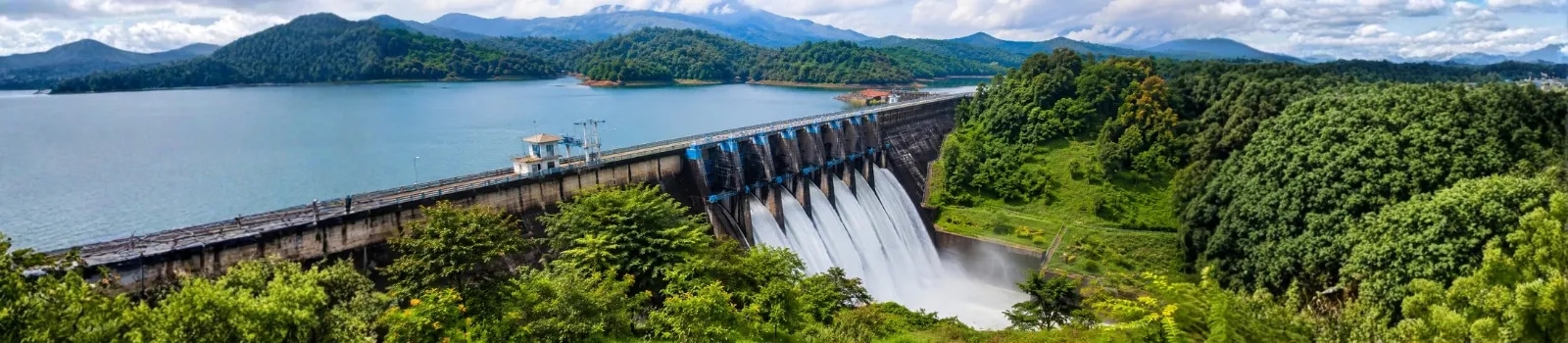
Idukki Arch Dam

An engineering marvel, this double-curved arch dam is one of Asia's tallest. Set between the Kuravan and Kurathi hills, it offers a panoramic view of the Periyar River and valleys.

  • Famous for: Scenic views, reservoir backwaters, and unique architecture.
  • Best time to visit: October to March.
  • Entry fees: Approximately Rs 25 per head.

Munnar Hill Station

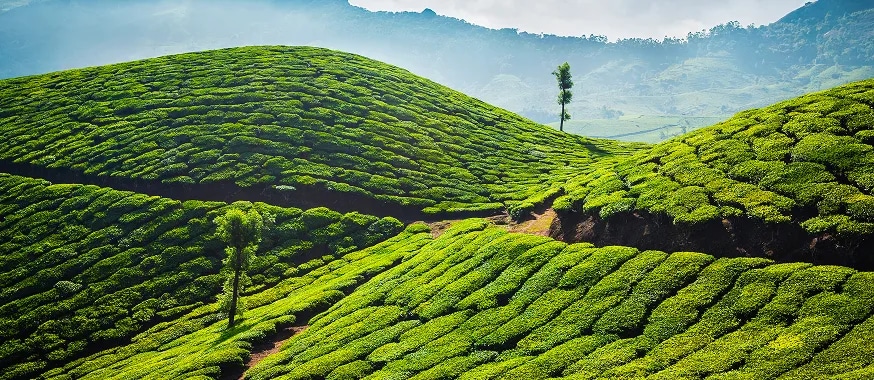
Munnar is the crown jewel of Idukki, with endless tea gardens and mist-shrouded hills. Eravikulam National Park, Anamudi Peak, and Mattupetty Dam are what make it a paradise for travelers.

  • Famous for: Tea estates, cool weather, and trekking.
  • Best time to visit: September to May.
  • Entry fees: Park entry Rs 125 for Indians, Rs 420 for foreigners.

Thekkady and Periyar Wildlife Sanctuary

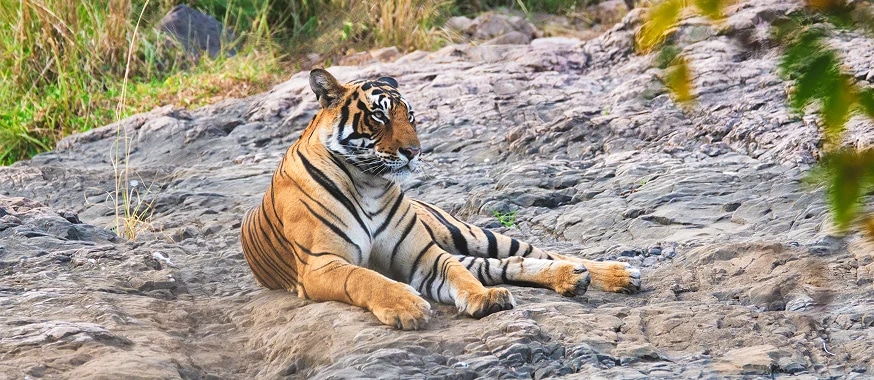
Abode of tigers, elephants, and colourful birds, Thekkady is the dream destination for a wildlife lover, and the Periyar Lake boat ride is the highlight.

  • Famous for: Wildlife safaris, bamboo rafting, and eco-tourism.
  • Best time to visit: November to February.
  • Entry fees: Rs 45 per adult, Rs 500 for foreigners.

Ramakkalmedu

Renowned for its strong gusts of wind and breathtaking vistas, this hill station is surrounded by the Kuravan-Kurathi statue.

  • Famous for: Hilltop scenery and photography.
  • Best time to visit: October to March.
  • Entry fees: Free.

Vagamon

A peaceful hill station with pine forests, meadows, and waterfalls. Adventure lovers enjoy its paragliding and trekking facilities.

  • Famous for: Adventure sports and peaceful landscapes.
  • Best time to visit: March to June, September to November.
  • Entry fees: Free; activity charges extra.

Thommankuthu Waterfalls

A seven-step waterfall amidst a thick forest, ideal for day picnics and treks.

  • Famous for: Water cascading falls and forest walks.
  • Best time to visit: June to September for full flow.
  • Entry fees: Rs 20 per head.

Kalvari Mount

A serene lookout point over Idukki Reservoir, much favoured by nature enthusiasts and pilgrims.

  • Known for: Scenic beauty and religious value.
  • Best time to visit: Dawn or dusk hours.
  • Entry fees: Free.

Top Things to Do in Idukki

  1. Trekking Trails

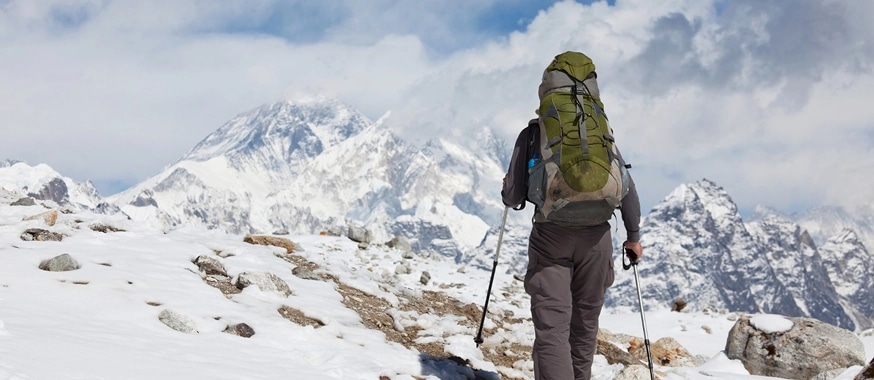
Exploring Idukki’s trekking trails is one of the best ways to immerse yourself in its natural charm, with paths winding through misty hills, dense forests, and hidden waterfalls that offer both adventure and breathtaking views. With forest paths, rolling hills, and spice plantations, treks here show stunning scenery and a chance to spot local flora and fauna. Guided treks ensure safety while letting travelers experience the untouched wilderness.

  • Duration: 3–5 hours
  • Best for: Adventure seekers, photographers, nature lovers
  • Cost range: Rs 1,000 – Rs 2,500
  1. Boating at Cheruthoni Reservoir

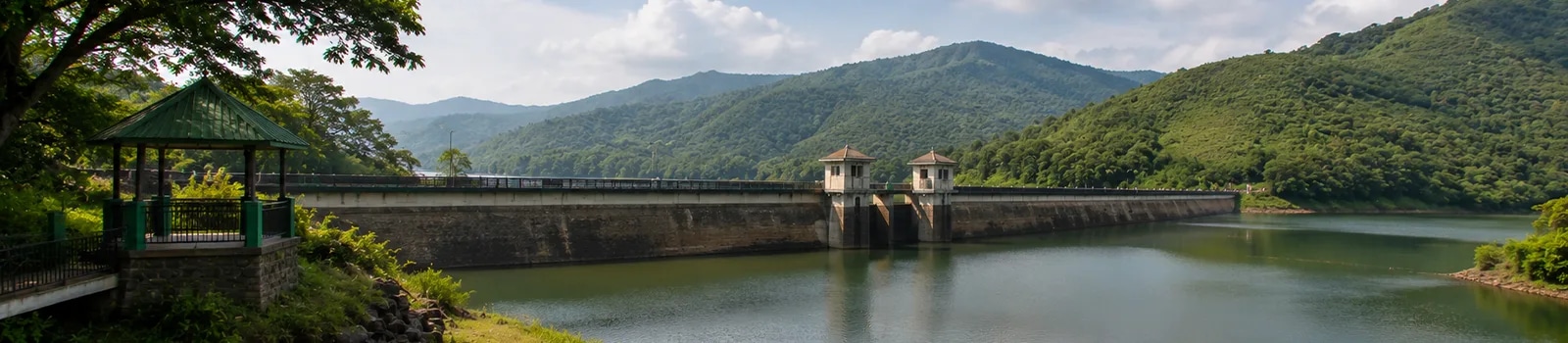
Boating in Cheruthoni Reservoir is a peaceful and refreshing experience. Littered around by hills and encompassing sights of the renowned Idukki Arch Dam, the reservoir offers a serene getaway. Paddle and motorboats are available, making it a great choice for both leisure and family outings.

  • Duration: 1–2 hours
  • Suitable for: Families, couples, leisure visitors
  • Price range: Rs 200 – Rs 600
  1. Jeep Safari in Wildlife Sanctuary

A jeep safari through Idukki’s wildlife sanctuary offers thrilling encounters with nature. While moving through dense forests, you can catch glimpses of elephants, bison, deer, and rare birds. The safaris are organized with well-trained guides to provide a safe yet adventurous experience into the depths of the wild.

  • Duration: 2–3 hours, mornings/evenings
  • Best for: Wildlife enthusiasts, adventure travelers
  • Cost range: Rs 1,500 – Rs 3,000
  1. Visit Tribal Settlements

A visit to Idukki’s tribal settlements lets you explore the unique traditions and culture of indigenous communities. Travelers can interact with locals, learn about their crafts, and observe traditional farming practices. This cultural experience offers authentic insights into Idukki’s heritage.

  • Duration: 1–2 hours
  • Best for: Cultural explorers, students
  • Cost range: Rs 500 – Rs 1,000

Best Time To Visit Idukki

The peak season in Idukki is from October to May, offering cool weather, clear skies, and excellent trekking and sightseeing conditions, though it attracts moderate tourist crowds. The shoulder season, between June and September, has lush green landscapes and smaller crowds, but heavy monsoon rains limit activities.

Month-wise: The temperature varies from 15°C to 30°C throughout the year.

Festival: Major festivals such as Onam (August–September) and Vishu (April) bring cultural hues.

Dress code: Lightweight cottons are suitable for summer, warm apparel for cold mornings, and rainwear for monsoon months.

Off-season travel: Traveling during the off-season is economical, allowing budget tourists to enjoy great deals.

How To Reach Idukki?

By Air: The nearest airport is Cochin International Airport (100 km). From here, taxis and KSRTC buses provide direct connections to Idukki.

By Train: The nearest railway station to Idukki is Kottayam (114 km), with regular trains from Kerala's major towns. Taxis and buses are available from the station to Idukki.

By Road: Idukki is well-accessed by KSRTC buses and private cars from Kochi, Munnar, and Kottayam. The journey is beautiful with rolling hills and forests, although the roads are twisting. Adventure buffs favour self-driving.

Things to Know Before Visiting Idukki

  • Permits for entry may be necessary for some wildlife sites.
  • Travel with cash, as card and ATM services are scarce in out-of-the-way places.
  • Avoid plastic – eco-friendly laws are enforced strictly.
  • Dress conservatively when going to tribal villages or religious centres.
  • Take Idukki tours and packages well in advance during peak season.
  • Trekking trails are slippery during the monsoon.

FAQs:

October to May is the ideal time to tour Idukki, with a pleasant, cool climate. This is the best time for trekking, boating, and wildlife safari. The monsoon brings lush greenery, though heavy rainfall may affect activities. Winter, particularly from December to February, is the most suitable time to explore attractions such as the Idukki Arch Dam and nearby wildlife sanctuaries.

A 3-day trip is sufficient to cover Idukki’s highlights, including the Arch Dam, Hill View Park, and Wildlife Sanctuary. With a 4 to 5-day stay, travelers can explore more leisurely, indulge in trekking, boating, and jeep safaris, and spend time experiencing tribal culture. Longer stays allow deeper immersion into the district’s natural beauty and serenity.

Yes, Idukki is safe for tourists, with well-maintained tourist zones and guided experiences available. The forest department controls wildlife interactions, and emergency services can be reached in surrounding towns. To make your trip seamless, consider booking official Idukki tours and packages that cover transport, accommodation, and sightseeing. Adhering to eco-principles, avoiding closed areas, and exercising caution during monsoon treks can provide a safe and enjoyable experience.

Idukki is normally safe for solo and women travelers. Opting for guided tours, eco-tourism packages, or reliable agencies ensures security. It’s best to avoid remote trails after dark, dress modestly when visiting cultural sites, and stay connected with local contacts. Choosing accommodations near main tourist areas makes travel convenient, ensuring a smooth and safe trip experience.

Pack cotton wear for the day, light woollens for the night, and rainwear in the monsoon. Trekking shoes, insect repellent, sunscreen, and hats are essential. Pack binoculars and a camera for watching birds and wildlife. Pack sufficient cash, medicines, and a refillable water bottle. Dress modestly when visiting tribal belts or religious sites in the Idukki district.

Ideally, the best accommodations to stay in Idukki would be around Idukki town, Cheruthoni, or near the Wildlife Sanctuary. Eco-resorts, homestays, and jungle lodges provide immersive experiences amid Idukki’s natural beauty, while hotels in town offer convenience and modern amenities. Choosing accommodations near key tourist areas ensures easy access to trekking trails, boating spots, and cultural attractions. During peak seasons, reserving your stay in advance ensures your preferred lodging and guarantees a smooth, stress-free trip.

While KSRTC buses link Idukki with surrounding towns, public transportation options are limited for accessing distant tourist spots. It is advisable to rent a car or book a cab for flexible travel. Several Idukki tour and travel packages offer private transfers. A rented car is handy for visiting scenic roads, wildlife sanctuaries, and hilltop viewpoints at your leisure.

Located about 100 km from Cochin International Airport, Idukki can be reached in 3–4 hours by road through scenic, winding routes. Taxis and private cabs are the most convenient options, while KSRTC buses offer budget-friendly travel. Roads are scenic but winding. Many Idukki tours and packages arrange airport pickups, ensuring hassle-free transfers and a comfortable journey from Kochi to Idukki’s beautiful hills.

Idukki offers a wide range of stays, from eco-lodges and jungle resorts to budget-friendly homestays and premium hotels. Visitors can choose from a variety of stays, including rustic cottages, elevated tree houses, and heritage-inspired accommodations. Eco-resorts near wildlife zones are popular for nature lovers, while hotels in Idukki town provide modern amenities. Booking is recommended, especially during peak season and festive months, to ensure availability.

It is advisable to book hotels in Idukki at least 1–2 months in advance, especially between October and May, which is peak season. During holidays and festivals like Onam and Christmas, accommodations fill quickly. Reserving in advance promises lower rates, best locations, and plenty of options in eco-lodges, jungle retreats, and cosy modern hotels in Idukki.

Idukki cuisine features authentic Kerala flavours with rice, fish curries, coconut-based dishes, tapioca, and seasonal vegetables. Traditional meals are often served on banana leaves, offering a cultural touch. Tribal settlements have home-cooked food, which is basic but healthy. Guests at several resorts can enjoy farm-to-table meals, savouring Idukki’s traditional spices, herbal recipes, and unique culinary flavours.

Card payment facilities and ATMs are found within Idukki town and in smaller villages, but could be limited in outlying areas. Travelers are advised to carry sufficient cash when visiting wildlife zones or tribal villages. Some resorts and eco-tourism centres accept digital payments, though internet connectivity may be unreliable. Proper preparation makes your trip to Idukki hassle-free and fully enjoyable.