
Kasaragod
About Kasaragod
Kasaragod, located at the northern frontier of Kerala, boasts a rich historical legacy. It once flourished under the Kolathiri rulers, the Vijayanagara Empire, and Tipu Sultan, with the formidable Bekal Fort standing as its lasting symbol. Its cultural identity shines through vibrant Theyyam rituals, Yakshagana, and folk traditions, celebrated across temples and villages.
Blessed with the Arabian Sea, 12 rivers, and the Western Ghats, the district offers a scenic blend of coasts and hills. Economically, it thrives on coir, handloom, and fisheries, alongside modern trade.
Linguistic diversity, heritage forts, and unspoiled landscapes make Kasaragod a unique destination where travelers discover both Kerala's roots and its natural beauty.
Quick Facts & Information About Kasaragod
Region
Northern Kerala, Kasaragod is part of the historic North Malabar region.
Establishment
Kasaragod became a separate district on 24 May 1984.
Location
Situated at the northern tip of Kerala, Kasaragod shares its borders with Karnataka to the north and east, and the Arabian Sea to the west.
Area
Covers approximately 1,992 sq. km.
Major Towns
Kasaragod, Kanhangad, Nileshwaram, Manjeshwar, Uppala, Cheruvathur and Bekal.
Languages Spoken
Malayalam, Tulu, Kannada, Konkani, Beary, Marathi and Urdu are spoken here. Kasaragod is popularly known as Saptha Bhasha Sangama Bhoomi, meaning the land of seven languages.
Climate
Tropical climate, with warm summers and heavy monsoon rainfall, mainly from June to September.
Key Attractions
Explore the famous Bekal Fort, Chandragiri Fort, Ananthapura Lake Temple, Malik Deenar Mosque, Ranipuram Hills and Valiyaparamba Backwaters.
Best Time to Travel
October to March is a pleasant time, if you want to experience Theyyam performances.
Famous Festivals
Theyyam, Yakshagana performances, Kambala (traditional buffalo races) and Poorakkali.
Cuisine
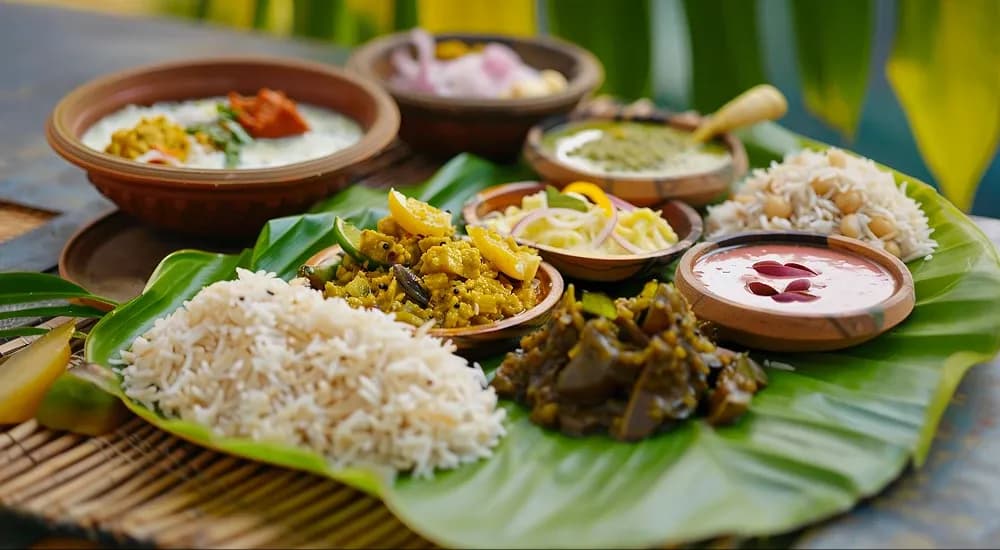
Try local fish curry, seafood, Neer Dosa, Pathiri, Kori Rotti and rice-based dishes.
Unique Experiences
Watch a traditional Theyyam performance at a village shrine, explore the sea-facing Bekal Fort, visit the unusual Ananthapura Lake Temple, enjoy the Valiyaparamba backwaters and trek through the green hills of Ranipuram.
Economy
Agriculture (Coconut, arecanut, cashew, pepper and rubber), fishing, coir making and handloom weaving are important to Kasaragod's economy.
Speciality
Kasaragod is known for its seven languages, Theyyam performances and historic Bekal Fort. Its mix of Kerala and Karnataka culture, coastal beauty and local traditions attracts many tourists each year.
Top Tourist Places to Visit in Kasaragod
Kasaragod is dotted with ancient forts, pristine beaches, temples, mosques, and backwaters, making it a must-visit city in Kerala. Here are the best places to visit in Kasaragod:
Bekal Fort:
The pride of Kasaragod, Bekal Fort, is Kerala's largest fort. Constructed in the 17th century, it commands panoramic views of the Arabian Sea. Tourists flock here for photography, sunsets, and historical exploration. Entrance fee: Rs 25 for Indians, Rs 300 for foreigners.
Bekal Beach:
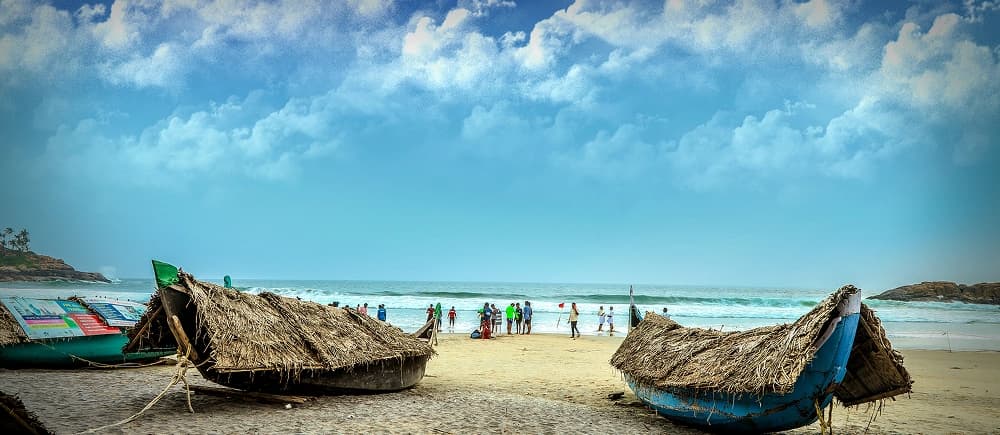
Situated beside the fort, this beach is ideal for sunsets, camel rides, and a sea breeze. Well-maintained promenade makes it suitable for families. Visit the best during sunsets. Entry Fee: Free Best Time to Visit: October to March, especially during sunset
Chandragiri Fort and River:
The second historic fort, Chandragiri, sits overlooking the Chandragiri River. It is a peaceful spot, ideal for boating and capturing stunning sunset views. Entry Fee: Free Best Time to Visit: October to March
Valiyaparamba Backwaters:
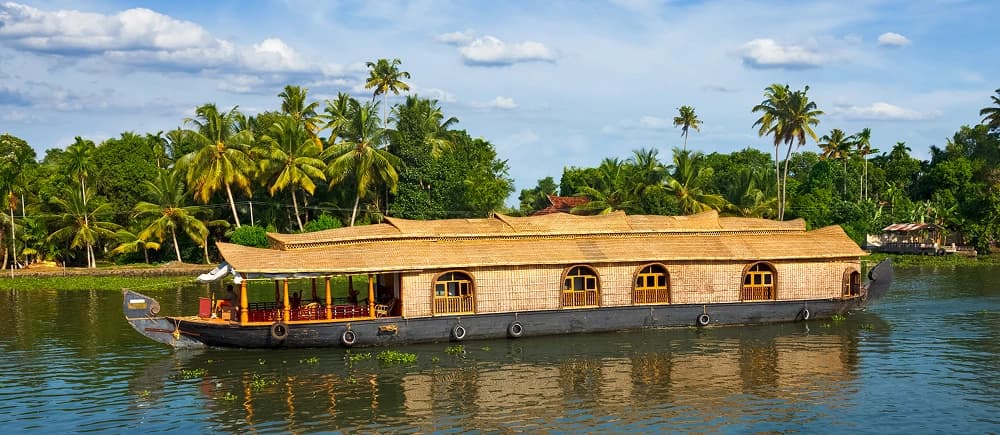
A hidden gem of Kasaragod, Valiyaparamba is an archipelago of islands bordered by peaceful backwaters. It's a haven for houseboat cruises, birdwatching, and photography. Entry Fee: Free (houseboat rides vary in cost) Best Time to Visit: November to February
Ananthapura Lake Temple:
Kerala's only lake temple, Ananthapura, stands as a unique spiritual site devoted to Lord Vishnu. What makes it truly fascinating is Babiya, the gentle vegetarian crocodile believed to protect the temple, drawing curious visitors year-round. Entry Fee: Free Best Time to Visit: October to February
Malik Dinar Mosque:
Constructed in the 7th century by Malik Ibn Dinar, this mosque is among India's oldest mosques. It's a religious and historical location cherished by tourists and locals alike. Entry Fee: Free Best Time to Visit: October to March
Ranipuram Hills:
This place is also known as the Ooty of Kerala. Ranipuram is ideal for trekking, nature walks, and wildlife sighting. The lush greenery and panoramic views attract adventure lovers. Entry Fee: Free Best Time to Visit: October to February From ancient forts and serene hills to sacred temples and pristine beaches, the attractions in Kasaragod make it an unforgettable destination in Kerala.
Top Things to Do in Kasaragod
Explore Bekal Fort
Relax at Bekal Beach
Visit Chandragiri Fort and River Cruise
Discover Ananthapura Lake Temple
Trek to Ranipuram Hills
Enjoy Valiyaparamba Backwaters
How To Reach Kasaragod?
Kasaragod is well connected by air, rail, and road.
The nearest airport is Mangalore International Airport (about 50 km away).
Kasaragod Railway Station lies on the Konkan Railway line, connecting major Indian cities.
Regular buses and taxis operate from nearby cities like Mangalore, Kannur, and Kozhikode.
Travelers booking Kasaragod tours and travels can easily combine the destination with nearby attractions in Karnataka and Kerala.
Important Travel Tips For Kasaragod
The best time to visit Kasaragod is between October and March, when the weather is pleasant for sightseeing and outdoor activities.
- Peak Season (Oct-Mar): Cool climate, ideal for beach visits and sightseeing. Expect moderate crowds.
- Shoulder Season (Apr-May): Hot and humid, but perfect for budget travelers.
- Off-Season (Jun-Sep): Heavy monsoon showers bring lush greenery. Nature lovers will find this destination enchanting, though some activities may be seasonal or limited.
Clothing tip: Pack light cottons for summer, a light jacket for winter evenings, and umbrellas or rain gear during the monsoon.
Onam, Vishu, and the Theyyam season are major cultural festivals that enhance Kasaragod tourism, drawing visitors to experience Kerala's traditions and celebrations.
Things To Know Before Visiting Kasaragod
Local languages: Malayalam, Tulu, Kannada, and Konkani are widely spoken.
- Culture: Kasaragod is deeply rooted in traditions like Theyyam and Yakshagana.
- Food: Seafood and Malabar delicacies dominate local cuisine.
- Connectivity: Internet and ATMs are easily available.
- Safety: Kasaragod is considered safe for tourists.
- Respect local customs at temples and mosques.
- Plan Kasaragod tours and packages in advance during festival months to avoid last-minute unavailability.
FAQs:

Popular Tour Packages
Most booked holidays, hand-picked by our travellers