About Kerala Wildlife Sanctuary
About Kerala's sanctuaries are situated within the bio-diverse Western Ghats, a UNESCO World Heritage Site, the primary purpose of creating wildlife sanctuaries and national parks is to protect and conserve the entire ecosystem, including flora, fauna, and their habitats, from exploitation, Notable sanctuaries include Periyar, Parambikulam, Neyyar, and Chinnar, which are known for their specific ecosystems and wildlife.
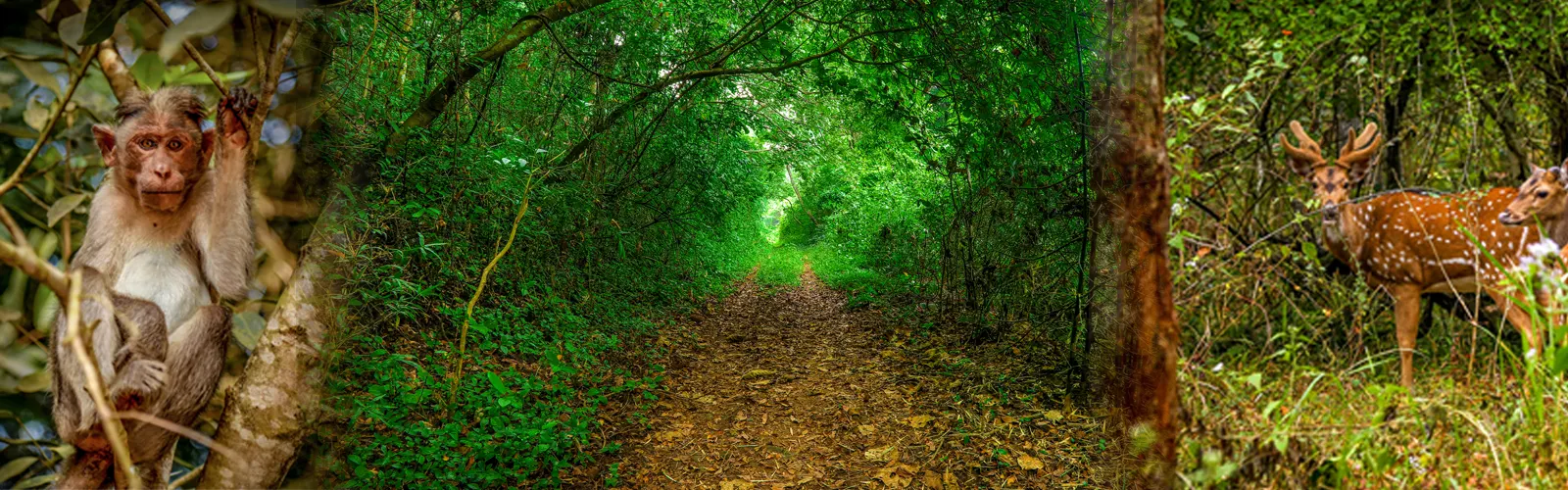
Visitors can see diverse wildlife like tigers, elephants, and a variety of birds in their natural habitats. The sanctuaries offer stunning natural scenery, including lush forests, hills, and waterfalls. They provide an opportunity to experience a healthy and thriving ecosystem and learn about the importance of conservation.
Attractions of Kerala Wildlife Sanctuary
Kerala is home to numerous wildlife sanctuaries and national parks, with major attractions including the Periyar Tiger Reserve, Eravikulam National Park, and Silent Valley National Park. These protected areas offer diverse activities like jungle safaris, trekking, and bird watching amidst rich biodiversity.
Periyar Tiger Reserve (Thekkady)
Located in the Cardamom Hills, Periyar is one of India's most popular and well-managed tiger reserves. Its large populations of Indian elephants and Bengal tigers, and the chance to spot animals from a boat safari on Periyar Lake.
Eravikulam National Park (Munnar)
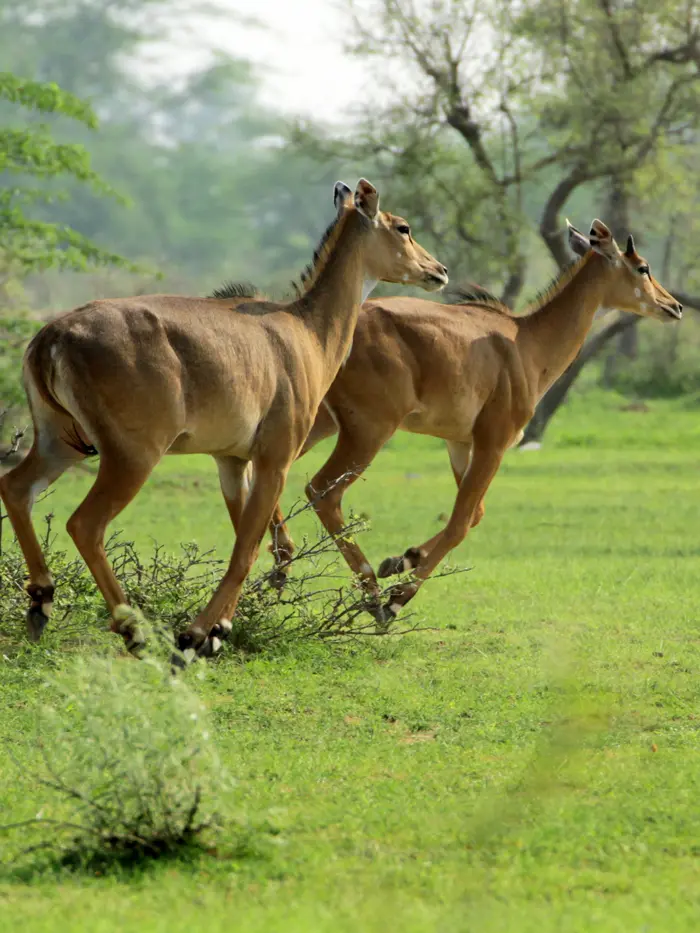
Eravikulam is the first national park in Kerala and a renowned UNESCO World Heritage Site, famous for its high-altitude grasslands and shola forests. The Kannan Devan Hills, home to the highest peak in South India, Anamudi, Nilgiri Tahr, a rare mountain goat endemic to the Western Ghats with the mass flowering of the Neelakurinji flowers, which happens only once every 12 years. The park is closed annually during the tahr calving season, usually in February-March.
Silent Valley National Park (Palakkad)
A core area of the Nilgiri Biosphere Reserve, Silent Valley is one of the last untouched tracts of tropical evergreen rainforest in India. A unique preserve of tropical rainforest, of the Western Ghats with numerous plant and animal species. The crystal clear Kunthi River flows through the park, adding to its untouched beauty.
Parambikulam Tiger Reserve (Palakkad)
Nestled between the Nelliyampathy and Anamalai hills, Parambikulam is a highly protected area and a UNESCO World Heritage site along with several dams and a reservoir, housing the world's oldest and tallest teak tree (the Kannimara Teak), and offering a chance to spot a variety of wildlife, including the elusive lion-tailed macaque.
Chinnar Wildlife Sanctuary (Idukki)
Distinct from other Kerala sanctuaries due to its unique thorny scrub forest ecosystem, Chinnar is a haven for a specific variety of wildlife. Famous for the highly endangered Grizzled Giant Squirrel and the rare Albino Gaur (white bison). It is also known for the nearby sandalwood forest and Thoovanam Waterfall.
Best Time to Visit Kerala Wildlife Sanctuary
The best time to visit Kerala wildlife sanctuaries is generally during the winter season, from October to February, when the weather is cool and dry, making it ideal for outdoor activities and increasing the chances of spotting wildlife.
- Wildlife Safari (Jeep/Boat)
This is the primary activity, forest interior via open-top jeep safaris or boat cruises on a lake (e.g., Periyar Lake in Periyar National Park). Guides and sometimes armed guards accompany groups.
Boat safaris: 90 minutes to 2 hours long, with multiple slots from early morning to late afternoon (e.g., 7:30 AM, 9:30 AM, 1:45 PM, 3:30 PM). Jeep safaris can range from 3-4 hours to full-day excursions.
- Nature Walks & Trekking
Guided walks offer a more immersive, on-foot experience to explore the flora, smaller fauna, and forest ecosystem. Walking along designated trails within the sanctuary with a local guide, focusing on the finer details of the forest environment. Night treks are also available in some locations. Typically, 2.5 to 3 hours long. Multiple daily slots are available, often in the morning (e.g., 7:00 AM) and afternoon (e.g., 2:00 PM).
- Bamboo Rafting
This activity in parks like Periyar Tiger Reserve combines trekking and a silent raft journey, providing a unique vantage point to observe wildlife near the water's edge. A combination of a short hike and exploring the lake's coves on a paddle-driven bamboo raft, often with an armed guard and guides. Half-day (approx. 7:30 AM - 2:30 PM) or full-day (approx. 8:00 AM - 5:00 PM) options.
- Bird Watching
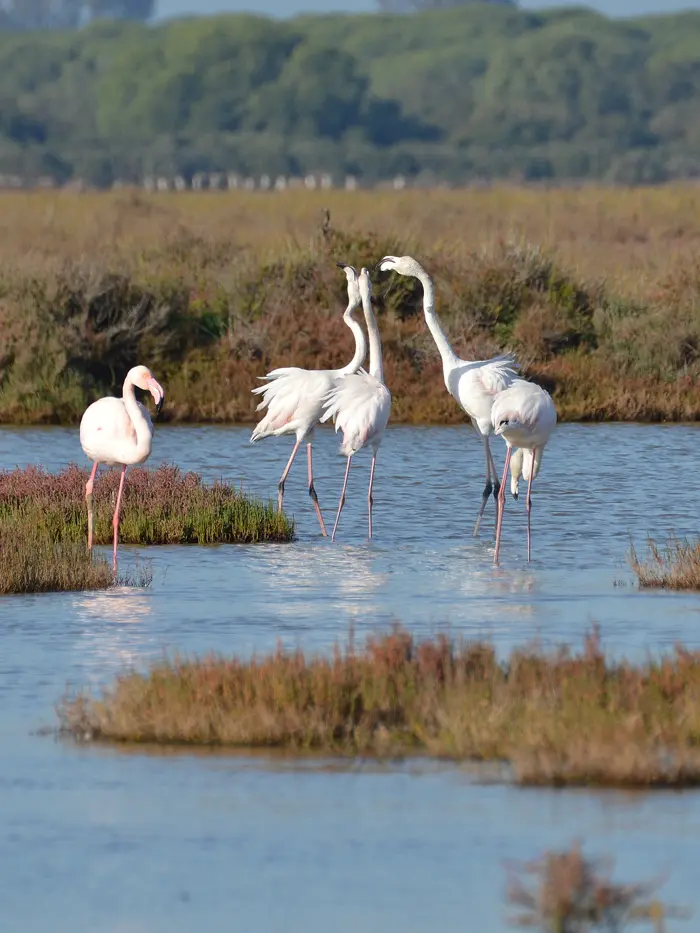
Kerala's sanctuaries are a haven for over 500 species of resident and migratory birds.
Observing and identifying various avian species in their natural habitats, such as the Thattekad or Kumarakom Bird Sanctuaries. Binoculars are recommended. Best time for migratory birds is from November to February. Local birdwatching is good year-round but especially during the monsoon (June to August) when the landscapes are lush. Early mornings are optimal for activity.
- Elephant Experiences (Camps/Festivals)
Beyond wild sightings, specific camps and cultural events offer guaranteed interaction with domestic elephants. Activities like elephant feeding, bathing, and short rides in controlled environments, or observing grand temple festivals like Thrissur Pooram featuring decorated elephants. Temple festivals like Thrissur Pooram usually occur in April-May. Varies greatly depending on the specific activity or festival attendance, from basic entry to paid interaction packages.
Activities at Kerala Wildlife Sanctuary
Activities in Kerala's wildlife sanctuaries include wildlife safaris, trekking, bamboo rafting, and boating. Visitors can also enjoy elephant rides, visit plantations, and see captive animals in places like deer parks and python parks. Other options include nature walks, jeep safaris, and camping. Go on a Wildlife Jeep safari or a guided jungle walk to spot animals in their natural habitat. Wildlife safaris, Trekking and nature trails, bamboo rafting and boating: Enjoy a peaceful journey on the water, often offered at sanctuaries like Periyar and Shendurney.
Boat rides are also available in sanctuaries like Neyyar.
How to Reach Kerala Wildlife Sanctuary
Kochi is a good central hub to access many of the sanctuaries in the southern and central parts of Kerala, and Kozhikode is a good option for accessing northern sanctuaries.
Since sanctuaries like Periyar are spread across Idukki and Pathanamthitta districts, and others are in the northern districts like Kannur and Wayanad
Kochi (around 120 km from Idukki Wildlife Sanctuary
Kottayam is a convenient station (around 85 km from Idukki Wildlife Sanctuary).
Some sanctuaries like Chinnar Wildlife Sanctuary are located on State Highway 17, about 18 km north of Marayoor town. Planning your itinerary based on the specific sanctuaries you want to visit is recommended.
FAQs :