
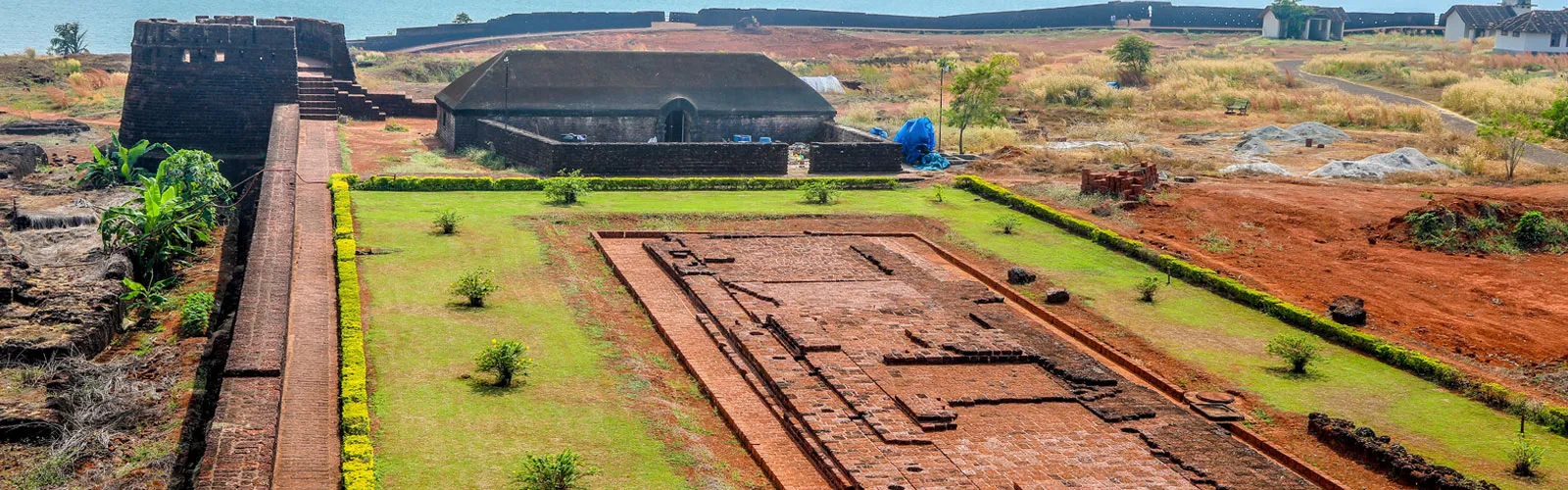
About Bekal Fort
Built in 1650 by Shivappa Nayaka of the Keladi dynasty, Bekal Fort is a 40-acre sentinel perched 130 feet above the Arabian Sea. This "Special Tourism Area" served as a critical military stronghold for Tipu Sultan and later the British, safeguarding the lucrative spice trade. Its ingenious keyhole design, featuring zig-zag entrances and multi-level loopholes for archers, showcases superior 17th-century defence engineering. It now stands as a protected monument maintained by the Archaeological Survey of India and a highlight in any Bekal Fort travel guide. For those planning their trip, the best time to visit Bekal Fort is between October and March, when the weather is pleasant.
What to Expect?
Visitors arriving at Bekal Fort are welcomed by sweeping coastal views, imposing laterite ramparts, and the fort’s distinctive keyhole-shaped layout that reflects remarkable military engineering. Walking through the zigzag entrance-a clever military tactic to slow down invaders-and along the massive walls reveals defensive bastions, peep-holes once used by archers, and a stepped water tank that hints at the fort’s self-sustaining design. The underground passage leading toward the observation tower adds a sense of intrigue, while the tower itself rewards visitors with breathtaking panoramas of the Arabian Sea and the golden shoreline below.
Inside the complex, the ancient Anjaneya Temple and a historic mosque reflect the region’s cultural harmony, offering moments of quiet reflection amid the fort’s martial past. One of the most memorable things to do at Bekal Fort is simply strolling along its expansive pathways, where sea breezes, rhythmic waves, and dramatic views create an atmosphere of calm. Photography enthusiasts will find endless inspiration here, especially near the sea bastion where the famous "Tu Hi Re" song was filmed.
Adjacent Bekal Beach invites visitors to relax on clean sands, enjoy leisurely walks, or spend time with family by the water. Guided walking tours are available for those seeking deeper historical insight, while independent exploration allows travellers to absorb the fort’s stories at their own pace.
As evening lights illuminate the surroundings, the fort takes on a magical ambience, making a visit both educational and deeply memorable for history lovers, nature enthusiasts, and casual travellers alike. If you time your trip for the best time to visit Bekal Fort—during the late afternoon in the cooler months—you can witness one of Kerala's most legendary sunsets, where the sky turns a fiery orange behind the fort's dark silhouette.
Best Time To Visit Bekal Fort
The best time to visit Bekal Fort is during the winter months from October to March, when the weather is cool, dry, and comfortable for exploring this expansive coastal stronghold. Temperatures typically range between 20°C and 30°C, making it ideal for walking along the fort’s ramparts, climbing the observation tower, and enjoying panoramic views of the Arabian Sea. November to February is considered peak season, offering the most pleasant climate and clear skies, perfect for sightseeing, photography, and relaxed coastal strolls.
October, the post-monsoon period, is also a good time to visit. The surrounding landscapes appear lush and refreshed, enhancing the scenic beauty of the fort and nearby beaches. However, humidity can still linger, so early morning visits are more comfortable. The monsoon season (June to September) transforms the region into a vibrant green paradise, but heavy rains and slippery pathways may limit exploration and outdoor activities. Summer months, especially April and May, can be hot and humid, making midday visits less enjoyable.
For the best experience, plan your visit early in the morning before 11 AM or late in the afternoon after 4 PM. Evenings are particularly rewarding, as the setting sun paints the sky in dramatic hues over the coastline. Visiting early also helps avoid crowds, especially during weekends and holidays.
The fort is generally open from 8:00 AM to 5:30 PM, allowing ample time to explore its architecture. Local festivals and cultural events in the Kasaragod region occasionally add vibrancy to the experience, offering visitors a glimpse into Kerala’s rich traditions. Weekends and public holidays see a surge in local visitors, so plan accordingly. Your visit can be seamlessly combined with nearby places to visit in Bekal Fort, such as the adjacent Bekal Beach, the serene Kodi Cliff, or the Bekal backwaters, ensuring a full day of exploration.
How To Reach Bekal Fort?
By Air:The nearest airport is Mangalore International Airport, about 76 Km away, with taxis readily available. Kannur International Airport (97 Km) and Calicut International Airport (193 Km) are alternative options.
By Train:Bekal Fort Railway Station is just 1.7 Km away. Kasaragod Railway Station and Kanhangad Railway Station offer wider connectivity.
By Road:Bekal is well connected via NH-66. Buses and taxis operate from Mangaluru (66.4 Km), Kasaragod (15 Km), and nearby cities.
Nearby Tourist Spots
- Bekal Beach: A serene, palm-fringed stretch right next to the Bekal fort, perfect for sunset strolls and photography.
- Kappil Beach & Kodi Cliff: Offers a peaceful, secluded atmosphere and a rewarding trek with dolphin sightings.
- Chandragiri Fort: A 17th-century riverside bastion providing stunning vistas of the river-sea confluence.
- Ananthapura Lake Temple: Kerala’s only lake temple, famous for its history and legendary vegetarian crocodile guardian.
- Valiyaparamba Backwaters: Serene backwater destination, perfect for peaceful houseboat cruises.
- Nityanandashram Caves: 45 meditation caves, offering a unique spiritual experience.
- Ranipuram Hills: A trekking paradise often called the “Ooty of Kerala.”
- Posadigumpe Hill: A scenic trekking spot with sweeping coastal vistas.
Tips for Visiting Bekal Fort
- Timings & Entry: Open daily from 8:00 AM to 5:30 PM. Entry is approximately ₹25 for Indians and ₹300 for foreign visitors.
- Best Time to Go: Early mornings or late afternoons offer pleasant weather and beautiful sunset views—often considered the best time to visit Bekal Fort.
- Dress Comfortably: Wear light clothing and sturdy walking shoes for comfortable exploration.
- Carry Essentials: Keep water, sunscreen, and hats handy.
- Hire a Guide: Local guides enrich your experience with fascinating historical stories.
- Respect Heritage: Avoid littering and protect this historic treasure.