
Aihole

Aihole Tourism

Unveil the Mystic Splendor of Aihole, The Cradle of Classical Temple Architecture Tucked away in the serene Malaprabha valley, Aihole beckons travelers with its ancient stone temples and whispering history. Explore how Aihole tourism can take you on a journey through time, with Aihole tours and travels offering curated Aihole Tours and Packages that bring the art, spirituality, and heritage alive. Quick Stats: Population: 3,400 (village scale) Best time to visit Aihole: October to February Famous for: Ancient Chalukya temples, rock cut caves, classical architecture Explore our tailor made Aihole Tours and Packages now, dive deep into Aihole tourism and book your immersive heritage experience today!

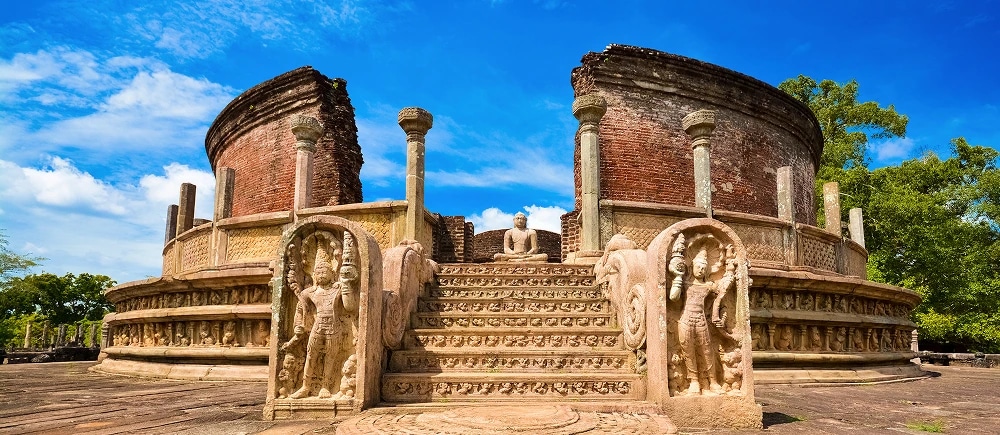
Located amidst green fields and away from the hustle and bustle of urban cities, the ancient temples of Aihole are great heritage sites. There are rock - cut shrines, cave temples and those designed using magnificent Hindu temple architectural style form parts of enthralling Aihole attractions.

About Aihole

Aihole, also called Aryapura, was once a flourishing seat of the early Chalukya dynasty and is often considered the “Cradle of Temple Architecture” in India. Over centuries (4th to 12th century CE), it became a workshop for evolving new styles of temple and cave architecture. Culturally, Aihole reflects a harmony of Hindu, Jain, and early Buddhist influences. Local traditions of temple festivals, sculptural arts, and ritual worship still animate the village environment. Geographically, it lies in a river valley surrounded by red sandstone hills, creating a dramatic backdrop for temple clusters. In modern times, Aihole’s economy is modest, rooted in agriculture and heritage tourism. Its significance lies less in commerce than in preserving and presenting the roots of Indian architectural art. What makes Aihole unique is its extraordinarily dense spread of temple forms—over 120 rock cut and structural temples in just 5 km. For tourists, it’s a rare open air gallery of ancient experimentation, making Aihole tourism a must visit for history buffs, architecture lovers, and spiritual seekers.

Places to visit in Aihole

Explore the Cradle of Indian Temple Architecture – Where History is Etched in Stone

Aihole, a small village in Karnataka, is a treasure trove of ancient temples and monuments that reflect the genius of early Chalukyan architecture. With over 120 historic structures, Aihole is a must-visit for history buffs, architecture lovers, and cultural travelers. Here are the top sites you shouldn't miss:

Durga Temple: This 8th-century masterpiece stands out for its unique apsidal (horse-shoe shaped) design and intricate carvings of Hindu deities. Best viewed in the soft morning or evening light.

Lad Khan Temple: Among Aihole’s oldest temples, possibly from the 5th century, it features a simple square layout with a flat roof. Thought to be an early public hall turned shrine.

Meguti Jain Temple: Located on a rocky hill, this temple offers panoramic views and contains a rare, dated inscription (634 CE) from the reign of Pulakeshin II.

Ravana Phadi Cave Temple: A rock-cut temple showcasing early Chalukyan art. Inside, vivid carvings of Shiva, Parvati, and mythological scenes make it a visual delight.

Hucchimalli Gudi: A lesser known yet significant example of early temple architecture, reflecting the Chalukyas’ evolving style.

Konti Temple Complex: A cluster of small shrines with beautifully carved ceilings depicting Brahma, Vishnu, and Shiva in various forms.

Archaeological Museum (within Durga Temple complex): Features sculptures, inscriptions, and artifacts that offer deeper insights into Aihole’s spiritual and artistic past.
Make the Most of Your Aihole Visit: Short Itineraries for Smart Travelers
1-Day Itinerary:

Visit Durga Temple, Lad Khan Temple, Ravana Phadi, and Meguti Jain Temple.
Wrap up at the Archaeological Museum and Konti Temple Complex.

2-Day Itinerary:
Day 1: Explore Durga Temple, Lad Khan Temple, Ravana Phadi, and Meguti Jain Temple.
Day 2: Visit Hucchimalli Gudi, Konti Temples, and nearby hidden shrines

Things To Do in Aihole

Uncover Timeless Beauty in the Birthplace of Indian Temple Architecture

Aihole isn’t just a site—it’s an experience. With every step, you walk through the early chapters of Indian architecture and spirituality. Here are must-do activities to truly appreciate this ancient wonder:

Start with a Sunrise Stroll
Early morning light gently brushes over ancient stones, casting long shadows and revealing details often missed. The silence at dawn adds a spiritual calm that modern life rarely offers.

Hire a Knowledgeable Local Guide

While the temples are visually stunning, their stories make them unforgettable. A local guide can reveal hidden meanings behind carvings and explain how Aihole became a laboratory for temple design.

Capture Art Through Your Lens or Sketchpad

The raw texture of sandstone, intricate motifs, and shifting light make Aihole ideal for photographers and sketch artists. Don’t rush—pause, observe, and create.

Walk the Forgotten Paths

Step off the main routes and explore trails leading to scattered shrines and ancient megaliths. These quiet corners are often deserted, offering a rare feeling of discovery.

Visit the Museum and Decode Inscriptions

Dive deeper at the on-site museum. Carved stone records and ancient tools open a window into the lives of those who built and worshipped here.

Join a Cultural Experience (if available)

Occasionally, local groups host classical performances near the temples—music or dance echoing through history-rich stone adds a magical touch to your visit.
Climb to the Meguti Jain Temple for Panoramic Views
Watch the Stones Speak at Ravana Phadi
Observe Temple Layouts Like an Architect
Talk to Locals and Hear Oral Histories
Take a Midday Break Under Temple Eaves
Try Local Snacks or Village Meals

Travel Tips:
Wear comfortable footwear for uneven paths, carry water, and start early to avoid heat. While Aihole isn’t overly commercial, it’s best explored unhurried so give yourself time to connect with its quiet majesty. Mobile network can be patchy near remote temples. Download maps or offline guides in advance and carry some cash, ATMs are limited.
Most importantly, travel with curiosity, not a checklist.

Best Time to Visit Aihole

The ideal time to explore Aihole is between October and February, when the weather is pleasantly cool and dry. This makes sightseeing comfortable, especially since visiting Aihole involves a lot of walking around ancient temples and monuments under open skies.

Summers (March to May) in Aihole can be extremely hot, with daytime temperatures soaring, making outdoor exploration exhausting. Monsoon season (June to September) brings moderate to heavy rainfall, which can make the terrain slippery and inconvenient for moving between historical sites.

For the most enjoyable experience, plan your trip in the winter months when the climate is most favourable for temple visits and photography.

Know Before Visiting Aihole

Before exploring Aihole’s ancient temples, come prepared. Carry water, sunscreen, a hat, and sturdy walking shoes, as many pathways are uneven and exposed to the sun. Food options within Aihole are limited, so consider eating in nearby Badami or bringing your own snacks. Respect the cultural and historical significance of the sites—avoid loud music, don’t touch or deface sculptures, and follow all Archaeological Survey of India (ASI) guidelines. Some temple ruins are in open areas, so it’s best to avoid wandering after dusk. Also, check local timings, as some temples may close during midday hours.

How to Reach Aihole

Aihole is well-connected by road and is easily reached from nearby towns.
It lies about 44 km from Badami and 17 km from Pattadakal, making it a convenient stop on heritage circuits. During peak tourist season, package tours from Bengaluru (approximately 490 km away) are common.
The nearest railway station is in Bagalkot, around 34 km from Aihole, from where taxis or local buses can take you to the site.
The closest airport is in Belgaum, about 189 km away, requiring a road journey via Bagalkot. Planning ahead ensures a smooth trip, especially for longer distances.

Frequently Asked Questions

The best time to visit Aihole is between October and February, when the weather is cool, dry, and ideal for temple-hopping. During these months, you’ll avoid the scorching summer heat (March–May) and the monsoon downpours (June–September) that can make site access difficult. This window ensures you enjoy the beauty of the monuments in comfort, making Aihole tourism at its best.

To truly absorb Aihole’s heritage, I recommend 1.5 to 2 full days. On day one, you can visit the major temples like Durga, Lad Khan, Meguti, and Ravana Phadi. On day two, explore peripheral ruins, minor temple clusters, inscriptions, local villages, and the Archaeological Museum. A rushed single day might allow a basic overview, but you’ll miss the depth of detail and spatial narrative this place offers within most Aihole Tours and Packages.

Yes. Aihole is generally safe for tourists, especially during daylight hours. It’s a quiet village with low crime rates. Still, usual travel precautions apply. Keep valuables secure, travel in groups after dark, and stick to known paths and temple zones. The rural nature of Aihole means medical or police facilities are limited, so plan ahead. The immersive calm of Aihole tourism is enhanced by its quiet, secure character.

Aihole is suitable for solo and female travelers, but with mindfulness. Daytime exploration is straightforward; single women should avoid isolated ruins after dusk and stay in known guesthouses or accommodations in nearby towns (Badami, Bagalkot). Use trusted local guides for offbeat trails. Opt for Aihole Tours and Packages that include transportation and local assistance for added ease and safety.

Essentials include: comfortable walking shoes, sunhat, sunglasses, sunscreen, insect repellent, water bottles, snacks, a light rain jacket (if season permits), camera, power bank, small first aid kit, and a scarf or shawl (for entering temple sanctums). Also bring local currency in small denominations, as many small shops or guides may not accept cards — a practical tip for Aihole travel tips.

Aihole itself has limited accommodation. The best lodging options lie in nearby Badami (44 km) or Bagalkot. Badami, in particular, is often preferred due to its proximity and better guesthouses, resorts, and infrastructure. Most Aihole tours and travels packages include stay in Badami so you can reach Aihole early and return after sunset comfortably.

Public transport (buses, taxis) can get you from major hubs like Bagalkot or Badami to Aihole, but within the temple zones and scattered ruins, a private car or hired taxi is far more convenient. If your Aihole Tours and Packages include a dedicated vehicle, it enhances access and flexibility. For day-to-day movement, a car is recommended over depending solely on local buses.

Aihole does not have its own airport. The closest airport is located in Belgaum, around 189 km away. Reaching Aihole from there takes about 4 to 5 hours by road. Travelers usually hire a taxi or join guided tours from Belgaum to reach Aihole comfortably through regional highways.

Aihole offers limited stay options, mainly simple guesthouses and a few homestays suited for short visits. For better comfort and variety, most visitors choose to stay in nearby towns like Badami or Bagalkot. These places offer a wider selection—from affordable lodges to mid-range hotels and heritage-style stays. Many travel packages include accommodation in these towns as part of their itinerary, making them convenient bases for exploring Aihole and surrounding heritage sites. Booking in advance is advisable, especially during peak tourist seasons.

Given the limited lodging near Aihole, it's best to book 2–4 weeks in advance, especially during peak season (October–February). If staying in Badami or Bagalkot, those areas have more options but still benefit from early reservations. Advance booking ensures you pick the best place suited to your itinerary, a key part of well-planned Aihole tourism.

As a small heritage village, Aihole has modest food outlets. But in nearby Badami and Bagalkot you’ll find Karnataka staples: dosa, idli, sambar, ragi (millet) roti, Jolad Roti, spicy vegetable thalis, and sweet items like holige. Carry snacks when roaming ruins, since options in temple zones are extremely sparse. This is a practical tip for Aihole travel tips.

Inside Aihole, ATMs are rare or non-existent, and many small shops and guides deal in cash. In Badami and Bagalkot, ATMs and card facilities are more common. It’s wise to carry enough cash before heading to remote temple zones. This is another useful point in your Aihole travel tips.

Things to do in Karnataka

Museum

Forts

Birds Sanctuary

Parks

Hills