About Karnataka's Wildlife Sanctuaries
Karnataka has numerous wildlife sanctuaries, unique with high biodiversity and significant part of the state's natural heritage. Some of the most prominent sanctuaries include:
- Bandipur National Park
- Nagarahole National Park (Rajiv Gandhi National Park)
- Bhadra Wildlife Sanctuary
- Dandeli Wildlife Sanctuary
- Pushpagiri Wildlife Sanctuary
- Daroji Bear Sanctuary
- Cauvery Extended Wildlife Sanctuary
Visitors can enjoy Wildlife Sightings, Adventure Activities, including national parks, tiger reserves, bird sanctuaries, and conservation reserves, which host a diverse range of flora and fauna like elephants, tigers, and sloth bears. The state has also recently designated new sanctuaries, such as the Uttaregudda wildlife sanctuary, Arsikere sloth bear sanctuary, and Bankapura wolf wildlife sanctuary.
Attractions in Karnataka's Wildlife Sanctuaries
Karnataka is home to diverse wildlife sanctuaries offering unique attractions like thrilling safaris, scenic treks, and rare animal sightings.
Key sanctuaries include Bandipur National Park, Nagarhole National Park, Bhadra Wildlife Sanctuary, and Bannerghatta Biological Park.
Bandipur National Park
A prominent tiger reserve and a key component of the Nilgiri Biosphere Reserve, known for its significant high density of Bengal tigers and a large population of Asian elephants, gaurs (Indian bison), dholes (wild dogs), and a variety of bird species including peafowl and vultures.
Located in the Chamarajanagar district, this national park was once a private hunting ground for the Maharajas of Mysore and was established as a tiger reserve in 1974.
Nagarhole National Park (Rajiv Gandhi National Park)
Known for its high tiger density and picturesque landscapes with serpentine streams (Nagarhole literally means "snake streams" in Kannada). It is contiguous with Bandipur and Wayanad Wildlife Sanctuary. The elusive black panther ("Saya"), large herds of elephants, tigers, leopards, and over 270 species of birds. Boat safaris on the Kabini River offer excellent animal viewing opportunities.
Bhadra Wildlife Sanctuary
A Project Tiger Reserve nestled in the Western Ghats of Chikmagalur and Shivamogga districts, offering a blend of wildlife and adventure activities. Characterized by moist and dry deciduous forests, the sanctuary is spread over 490 sq km. It's surrounded by scenic hills, including the Mullayanagiri peak, the highest in Karnataka. High probability of spotting tigers, leopards, elephants, and a wide array of birds (over 250 species). Key attractions include the 400-year-old "Jagara Giant" teak tree, Bhadra Dam, and the nearby Hebbe Falls.
Bannerghatta Biological Park
A unique destination located close to Bangalore, known for its fenced safari and various specialized enclosures. Part of a vital elephant corridor, this park includes a zoo, Lion and tiger safaris where visitors can get close to the animals in their enclosures, as well as an established butterfly park.
Best time to visit: Throughout the year, with the weather generally pleasant except during peak monsoon when heavy rains.
Entry fees: Fees vary based on the activities selected (zoo, safari, butterfly park).
Best Time to Visit in Karnataka's Wildlife Sanctuaries
The best time to visit Karnataka's wildlife sanctuaries is generally from October to May,
with specific seasons offering unique opportunities for different activities. The dry summer months (March-May) are ideal for spotting large mammals near watering holes, while the post-monsoon/winter period (October-February) is best for lush greenery and birdwatching.
Here are activity-based recommendations for visiting major sanctuaries:
- Wildlife Safari & Large Mammal Sighting
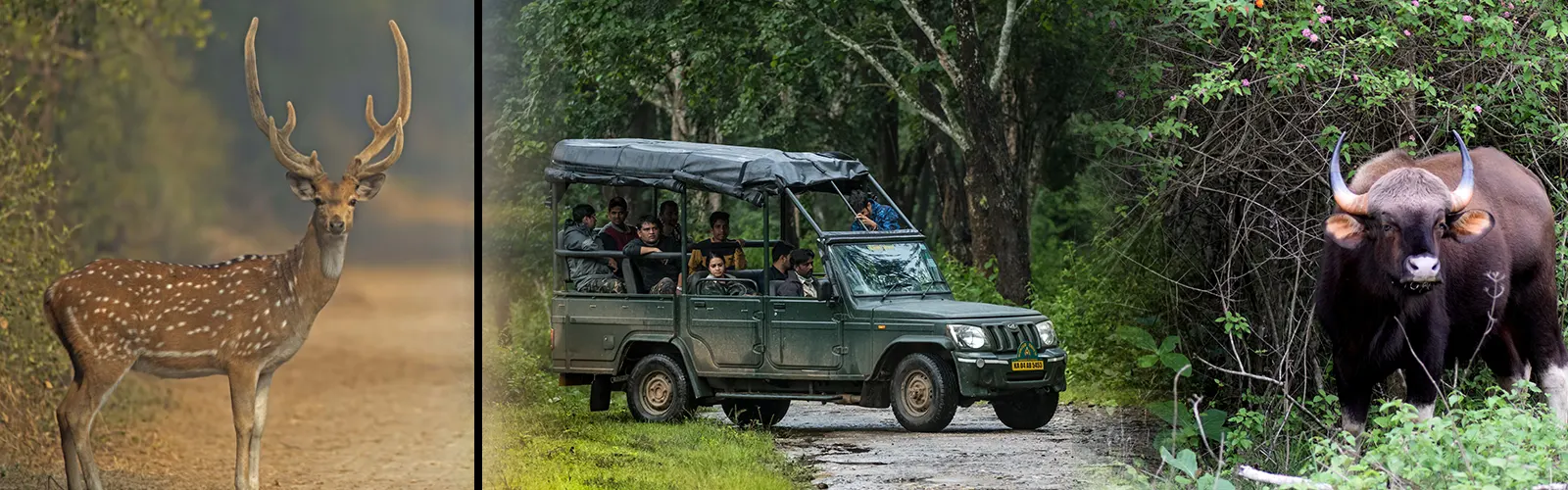
Early morning and late afternoon safaris offer seeing iconic animals like tigers, elephants, leopards, and gaurs in their natural habitat in Guided jeep or canter safaris (and sometimes boat safaris in Kabini) are the primary way to explore the forest interior.
the best chances for sightings as animals are most active.
2. Birdwatching
Karnataka, particularly its riverine sanctuaries, is a haven for both resident and migratory birds.
Ideal season is during winter, from October to March, Mornings are best for bird activity, Watching and photographing a wide variety of avian species, including migratory birds from places as far as Siberia. Activities often involve guided nature walks or tranquil boat rides, such as in Ranganathittu Bird Sanctuary.
- Trekking and Nature Walks
For those who enjoy exploring dense forests, hilly grasslands, and waterfalls on foot.
What it involves: Guided treks and nature walks through scenic landscapes like the Western Ghats to spots such as the Brahmagiri Peak or Kudremukh. Requires permission from forest guards. Treks can range from a few hours to full-day or multi-day camping experiences.
The best time is the post-monsoon/winter period (October to March), when trails are dry and the weather is pleasant and cool.
- Photography
Focusing on the natural beauty and animal behaviour, Capturing the lush greenery, diverse landscapes, the dry season (March-May), early mornings and late afternoons offers high visibility provide the best lighting.
Activities in Karnataka's Wildlife Sanctuaries
Activities include safaris (jeep or boat), trekking, bird watching, and wildlife photography. Visitors can also enjoy activities like coracle rides, elephant bathing, and guided nature walks at specific camps. Some sanctuaries offer unique experiences such as exploring caves, visiting historical forts, or boating on reservoirs.
Common activities: Jeep safaris, Birdwatching, Trekking and hiking, Wildlife photography, Boat safaris.
Unique sanctuary activities: Elephant interactions, Caving, Historical exploration
You may need a permit to enter certain sanctuaries, which can often be obtained at the forest checkpoint near the entrance. The best time to visit many sanctuaries is often between September and March.
How to Reach in Karnataka's Wildlife Sanctuaries
- Bandipur National Park
Nearest City: Mysuru, Bengaluru;
Buses and taxis frequently operate on the Mysuru–Ooty road that passes right through Bandipur.
- Nagarahole National Park (Rajiv Gandhi National Park)
Nearest City: Mysuru, Bengaluru;
Reach via Hunsur; from there, roads lead to Kutta or Veeranahosahalli gates.
- BRT Wildlife Sanctuary (Biligiri Ranganatha Hills)
Nearest City: Mysuru / Bengaluru
Regular buses run up to Yelandur; taxis/private vehicles go to the sanctuary.
- Dandeli Wildlife Sanctuary
Nearest City: 75 km from Hubballi ,125 km from Goa; State buses and private taxis available.
- Kudremukh National Park
Nearest City: Mangaluru / Udupi
Accessible by buses to Kalasa/Kudremukh town followed by local transport.
- Bhimgad Wildlife Sanctuary (Belagavi region)
Nearest City: Goa / Belagavi
Taxis/private vehicles preferred; limited public transport inside forested region.
FAQs :