About Kumarakom
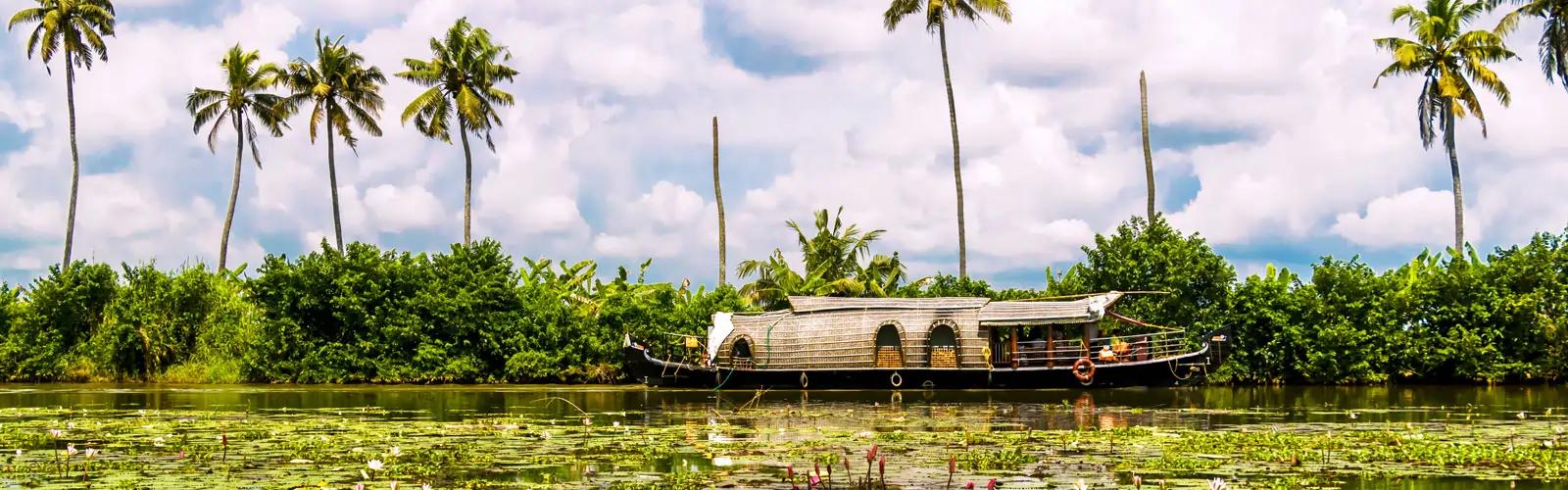
Kumarakom sits beside the calm Vembanad Lake in Kerala’s Kottayam district. Nature lovers are drawn here for its winding waterways, coconut groves, and bright green rice fields.
Kumarakom started as a few small villages where most people worked as farmers or fishermen. Its scenic backwaters have now made it a favourite place for people visiting Kerala.
Kumarakom showcases Kerala’s culture through boat races, Kathakali shows, and local festivals. Farming is still important here, but tourism also helps the community. Visitors can enjoy the peaceful village life along with the comfort of modern resorts.
Whether you are planning a honeymoon, a family trip, or a relaxing spa getaway, Kumarakom Tours and Travels offers a truly memorable experience.
Top Tourists Places To Visit in Kumarakom
Exploring Kumarakom is a delight, with attractions ranging from natural sanctuaries to cultural landmarks. Here are the must-visit spots:
Vembanad Lake :
Being the largest lake in Kerala and the crowning jewel of Kumarakom, the Vembanad Lake spans several districts, offering stunning panoramic vistas and serene waters. It is perfect for boat cruises, fishing, and watching amazing sunsets. Visitors can experience peaceful houseboat cruises that wind their way through emerald green landscapes, offering a glimpse of rural life in Kerala. The lake also hosts the world-famous Nehru Trophy Snake Boat Race, a major cultural festival.
- Famous For: Houseboat cruises and Nehru Trophy Snake Boat Race.
- Best Time: November - March.
- Entry Fee: Free (charges apply for cruises).
Kumarakom Bird Sanctuary:
Kumarakom Bird Sanctuary spans 14 acres and is a haven for birders and nature lovers. It is home to a diverse range of resident birds and migratory visitors like the Siberian cranes, darters, egrets, and kingfishers. Walking tracks and observation posts make it perfect for photography and birding. Serene Surroundings add to the experience. Guided tours help visitors get a glimpse into the local ecosystem.
- Famous For: Rare migratory birds and nature walks.
- Best Time: June - August (breeding season) and November - February (migratory season).
- Entry Fee: Rs 50 for adults, Rs 25 for children.
Pathiramanal Island:
A tranquil, small island accessible only by boat, Pathiramanal means "Sands of Midnight." It is ensconced in still waters and features unique flora and fauna. Individuals can enjoy peaceful picnics, nature walks, and birdwatching in this secluded haven. With its natural beauty and scenic vistas, it is a photographer and nature enthusiast's paradise.
- Famous For: Exotic flora and fauna, serene picnic spots.
- Best Time: October - March.
- Entry Fee:
Bay Island Driftwood Museum :
This distinctive destination features remarkable sculptures crafted from driftwood and roots, blending art and nature. Each piece conveys a message of patience and creativity, appealing to tourists and artists. The museum provides a tranquil, contemplative experience through its artwork.
- Famous For: Intricate art crafted by natural wood.
- Best Time: Year-round.
- Entry Fee: Rs 50- Rs 100.
Aruvikkuzhi Waterfalls:
Aruvikkuzhi Waterfalls: A beautiful waterfall cascading down green cliffs, Aruvikkuzhi Waterfalls is laden with rubber plantations and foliage. Suitable for picnicking, short hiking, and photography, it is a relief from the harshest of city lives due to the flowing water and natural surroundings.
- Famous For: Picnics, trekking, and photography.
- Best Time: June - September (monsoon).
- Entry Fee:
Ettumanoor Mahadev Temple :
A very old Shiva temple renowned for its lovely Dravidian architecture and gorgeous murals. The temple holds religious significance and hosts vibrant festivals, drawing devotees and tourists alike. Its cultural and historical relevance offers enough reason for it to be a must-visit site for those interested in Kerala's spiritual heritage.
- Famous For: Religious significance and temple festivals.
- Best Time: February-March (Festival season).
- Entry Fee:
These places to visit in Kumarakom highlight the city’s diversity, offering both cultural and natural experiences that make it a top destination in Kerala.
Top Things To Do In Kumarakom
Kumarakom is not just about sightseeing; it’s about experiencing the true soul of Kerala through its backwaters, culture, and wellness traditions. Here are the must-do activities:
Houseboat Cruise
Experience: Spend a night on a classic Kettuvallam houseboat and glide along the peaceful backwaters of Lake Vembanad. Take in views of green paddy fields, coconut trees, and village scenes. Enjoy homemade Kerala dishes served on board and relax as the gentle waters lull you into calm.
Famous For: Scenic backwaters and traditional Kerala cuisine.
Best Time: September – March.
Cost: Rs 6,000– Rs15, 000 per night.
Village Walks
Experience: Walk through rural villages, meet local people, and see traditional ways of life. Visit coconut plantations, coir mills, and fishing hamlets. These walks reveal the heart of rural Kerala and offer a break from city life.
Famous For: Coconut farming, coir making, and fishing.
Best Time: Year-round.
Cost: Free or minimal guided tour charges.
Ayurvedic Spa and Wellness
Experience: Refresh your body and mind with traditional Ayurvedic therapies. Herbal treatments and massages can ease stress, boost circulation, and support your well-being. The monsoon season adds to the experience, blending with Kerala’s natural rhythms.
Famous For: Stress relief and holistic healing.Best Time: June – August.
Cost: Rs 1,500– Rs 5,000 per session.
Kathakali and Cultural Performances
Experience:
Watch the colourful art of Kathakali, Kerala’s famous dance-drama, with its striking costumes and expressive storytelling. Cultural evenings may also include Mohiniyattam, classical music, and folk dances, giving you a taste of Kerala’s rich heritage.
Famous For: Colourful costumes and expressive storytelling.
Best Time: During festivals and cultural evenings.
Cost: Rs 300– Rs 700.
Fishing and Angling
Experience: Join local fishermen to try catching freshwater fish. Enjoy the calm of the morning backwaters and see traditional fishing methods in action. This peaceful activity is ideal for nature lovers and photographers.
Famous For: Freshwater fishing and local experiences
Best Time: Early mornings.
Cost: Minimal, often included in tours.
These activities make Kumarakom tours and packages deeply enriching, ensuring every traveller finds memorable experiences that combine nature, culture, and relaxation.
Best Time To Visit Kumarakom
Peak Season (September - March): Pleasant weather with breezy winds, ideal for houseboat stays and bird watching. Expect higher rates and more visitors.
Shoulder Season (April - May): Hot and humid, but fewer tourists and discounted packages. Great for Ayurveda treatments.
Off-Season (June - August): Monsoon turns Kumarakom lush green. Best for budget travel and wellness seekers.
How To Reach Kumarakom?
By Air :
The nearest airport is Cochin International Airport, 85 km away. Taxis, cabs, and shuttle services are readily available to reach Kumarakom from the airport.
By Rail :
Kottayam Railway Station, just 16 km from Kumarakom, connects the town to major cities across India. Taxis and auto-rickshaws provide convenient transfers from the station.
By Road :
Kumarakom is well connected by Kerala State Road Transport buses, private taxis, and self-drive options. The roads are scenic and well maintained, making road travel a comfortable and flexible choice for tourists visiting the backwaters.
Things To Know Before Visiting Kumarakom
- Carry mosquito repellent, especially for evening walks or backwater cruises.
- Book hotels, resorts, or houseboats well in advance during peak season to avoid last-minute issues.
- Respect local customs, traditions, and temple etiquette.
- Most locals speak English, but learning a few Malayalam phrases improves your experience.
- Carry some cash for small purchases, local markets, or transport, though ATMs are available.
- Wear comfortable clothing and footwear suitable for walking, sightseeing, and boat trips.
- Keep sunscreen, hats, and umbrellas handy to handle Kerala’s tropical climate.
Festival Calendar
- Onam (August–September): Cultural festivals and boat races.
- Ettumanoor Festival (February–March): Temple festivals.
Dress code: Pack cotton clothes in summer, an umbrella/raincoat in monsoon, and light woollens for winter evenings.