About Mornington Fort
Built in the 1760s by Robert Clive after the Battle of Plassey, MorningtonFort served as a strategic British outpost guarding vital river routes and protecting trade from piracy. Named after Richard Wellesley, it featured strong stone fortifications and arched colonial architecture. Over time, the fort fell into disuse and was severely damaged by the 1942 cyclone and floods. Today, its remnants appear during low tide, offering scenic views and standing as a quiet reminder of British control over Bengal’s waterways.
What to Expect?
A visit to Mornington Fort offers a peaceful yet intriguing blend of history and natural beauty, making it a unique stop for travellers exploring offbeat destinations in West Bengal. As you arrive, you’ll notice the remnants of sturdy stone fortifications, arched entrances, and scattered ruins that echo the fort’s colonial past. Though much of the structure has weathered over time—especially after the devastating 1942 cyclone—these ruins still reflect the strategic military design of the 18th century. During low tide, more portions of the fort become visible, adding a sense of discovery to your visit.
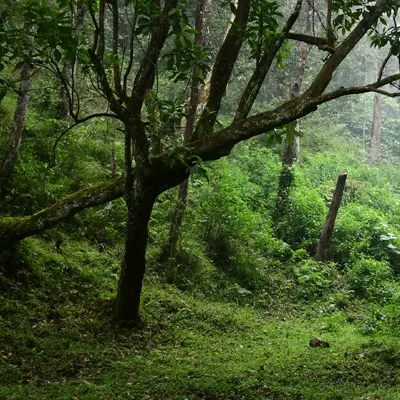
Surrounded by lush greenery and positioned at the confluence of major rivers, the fort offers breathtaking panoramic views, especially during sunrise and sunset. The calm riverside ambience makes it perfect for photography, leisurely walks, and quiet reflection. One of the top things to do at Mornington Fort is to simply stand amidst the greenery and ruins, capturing panoramic photographs where the vast river meets the horizon. While exploring, you may also come across mentions of hidden tunnels and defensive structures that once played a role in British military strategies, adding an element of mystery to the experience.
Unlike crowded heritage sites, Mornington Fort feels untouched and serene, ideal for those who enjoy slow travel. It is also a popular picnic spot, where visitors can relax and soak in the scenic surroundings. Including this destination in a Mornington Fort travel guide gives travellers a chance to experience both history and nature in one place. Overall, it’s less about grand structures and more about atmosphere—where ruins, rivers, and stories of the past come together to create a memorable and enriching visit. While exploring the ruins, keep in mind a few Mornington Fort travel tips: the terrain can be uneven and tidal, so wear comfortable footwear and check local tide charts before you go.
Best Time To Visit Mornington Fort
The best time to visit Fort Mornington is during the winter months from November to February, when the weather in West Bengal is cool, dry, and comfortable for outdoor exploration. During this period, temperatures remain pleasant, making it ideal for walking around the riverside, exploring the ruins, and enjoying the scenic beauty of the confluence of the Hooghly and Rupnarayan rivers. This season also offers clear skies, which enhance the overall experience, especially if you’re interested in photography or simply soaking in the peaceful surroundings.
One of the highlights of visiting during winter is the opportunity to witness stunning sunrises and sunsets over the riverbanks. The soft golden light adds a magical touch to the fort’s ruins, making it a favourite spot for photographers and nature lovers. Early mornings, between 9 AM and 11 AM, are particularly ideal, as the weather is cooler and the area is less crowded. The fort is generally open from 9 AM to 3 PM.
While summer months (March to June) can be quite hot and humid, they are less comfortable for exploring the open surroundings. The monsoon season (July to September), though lush and scenic, may not be the best time due to heavy rains and rising water levels, which can partially submerge the fort ruins and limit accessibility.
For those following a Mornington Fort travel guide, planning your visit in winter ensures a relaxed and enjoyable experience. Whether you’re exploring history, enjoying a quiet picnic, or capturing riverside views, choosing the right season makes all the difference in truly appreciating this hidden gem.
How To Reach Mornington Fort?
By Air:The nearest airport is Netaji Subhas Chandra Bose International Airport (about 95.3 Km). Hire a taxi or cab to reach the fort.
By Train:The nearest railway station is Bagnan Railway Station (33 Km). From here, local taxis and buses are available.
By Road:Mornington Fort is well-connected to Kolkata (80 Km) via NH16 and SH15. Buses, taxis, and private cabs are readily available from Howrah and Kolkata for a comfortable journey.
By Ferry:Local ferries offer a scenic way to cross the river near Gadiara.
Nearby Tourist Spots
- Confluence Viewpoint: Witness the scenic meeting of three rivers with stunning sunrise and sunset views.
- Gadiara Lighthouse: A perfect photography spot near the fort with panoramic river views.
- Garchumuk: Known for its barrage, deer park, and picnic spots.
- Geonkhali: A peaceful riverside destination with ferry rides.
- Mahishadal Rajbari: A heritage palace with a rich history and museum.
- Deulti: A tranquil village known for nature and literary heritage.
Tips for Visiting Mornington Fort
- Timings & Entry: The Mornington Fort opens from 9 AM to 3 PM with free entry.
- Visit Early: Plan to reach by late morning to allow ample time for exploration before the site closes.
- Wear Proper Footwear: Opt for sturdy shoes, as exploring ruins and riverbanks involves uneven terrain.
- Carry Essentials: Bring water, snacks, and sun protection since facilities are limited nearby.
- Check Tides: Visit during low tide for better views of the fort remains.
- Respect Heritage: Avoid littering or disturbing the fragile ruins; help preserve this historic site.
FAQ: