About Fatehpur Sikri Fort
Emperor Akbar didn’t build it solely to make it as a royal residence but as a city that should reflect his philosophy of unity in diversity.
The emperor's court included scholars and representatives from all major religions of that time, including Hindus, Muslims, Christians, Jains, and Zoroastrians. Fatehpur Sikri was the stage for Akbar’s Din-i-Ilahi, or “Religion of God,” a short-lived belief system that gave importance to ethical conduct over ritualistic practice. While this religion didn’t survive long, its principles can still be felt in the city’s layout and monuments.
Fatehpur Sikri was once home to over 250,000 people one of the largest cities in the world at its peak.
It was founded in 1571 by the Emperor Akbar. Fatehpur Sikri was the Mughal capital for approximately 14 years. The name "Fatehpur" means "City of Victory," representing Akbar’s successful campaign in Gujarat, while "Sikri" refers to a small village which was there already.
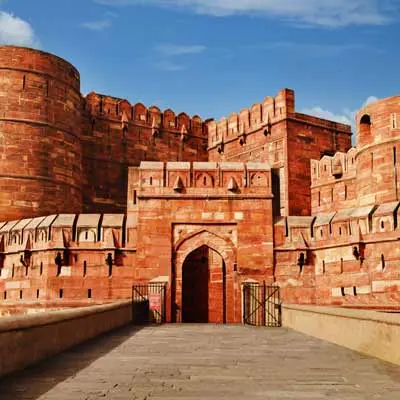
The city was built to make grand capital by blending Persian, Hindu, and Islamic styles of architecture. Akbar built palaces, mosques, public buildings, and residential complexes with red sandstone to create a design that remains one of the finest examples of Mughal town.
Fatehpur Sikri was abandoned in 1585 due to water shortages and other problems. Today, it remains one of the best collections of Mughal architecture in India. Though it was abandoned due to water scarcity, many underground water systems and stepwells were later discovered by historians.
Many travelers combine Fatehpur Sikri with:
- A sunrise Taj Mahal visit then breakfast and visit Fatehpur Sikri by noon.
- Stay overnight in Bharatpur, visit Keoladeo Bird Sanctuary in the morning, then head to Sikri for a cultural experience.
If If you're visiting North India, especially near Agra don’t skip Fatehpur Sikri as this place is ideal for History buffs,Photographers and Cultural travelers.
Unlike other historic sites like Taj Mahal or Agra Fort this place stands unique for its meditative silence.
What to Expect at Fatehpur Sikri
People can expect a rich historical experience. It consists of courtyards, halls, palaces, and mosques, many of which are in good condition.
Top Tourists Places
Nearby place is agra which has UNECO Sites like Taj Mahal & Agra Fort.
Mehtab Bagh – It is perfect place for sunset views of the Taj.
Itmad-ud-Daulah's Tomb – Also called as ‘Baby Taj’.
Bharatpur has Keoladeo National Park which is a UNESCO-listed bird sanctuary ideal for nature and bird lovers.
Mathura & Vrindavan - These are Sacred cities associated with Lord Krishna, known for their vibrant temples and religious festivities.
Sikandra (Akbar’s Tomb ): Where Emperor Akbar rests in peace.
These places offer a rich mix of heritage, spirituality, and wildlife, making the region around Fatehpur Sikri a cultural journey.
Things to do in Fatehpur Sikri Fort
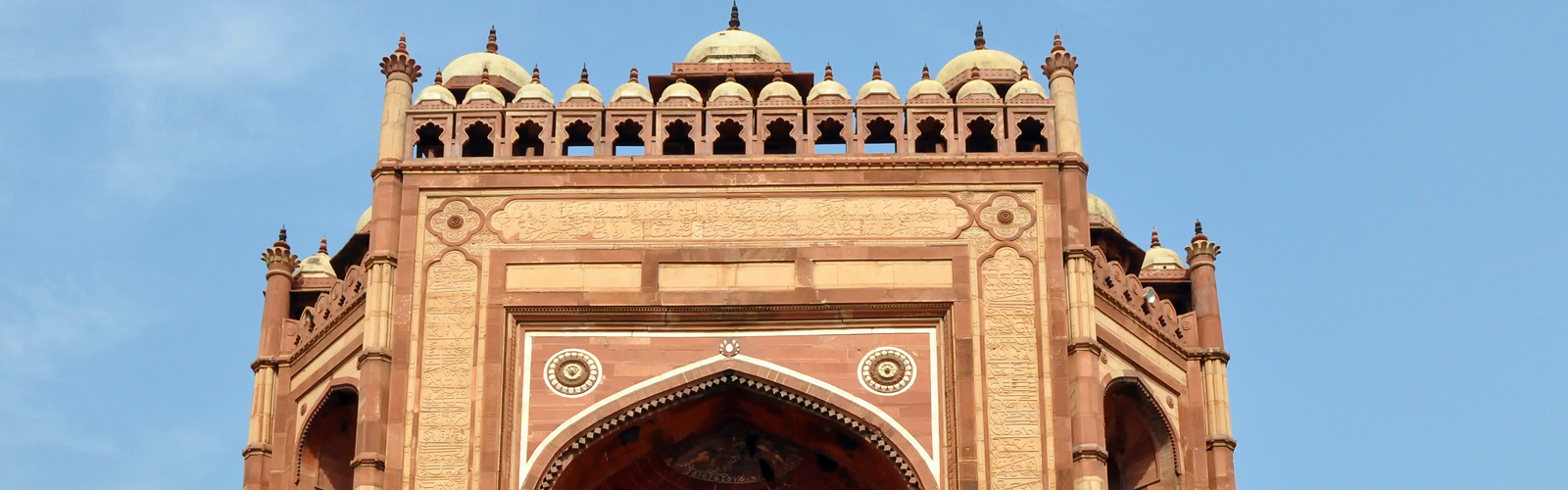
Buland Darwaza – It is one of the tallest gateways in the world, built in 1601 to celebrate Akbar’s victory in Gujarat and is 54 meters tall and was inspired by Timurid architecture. Its central inscription promotes humility.
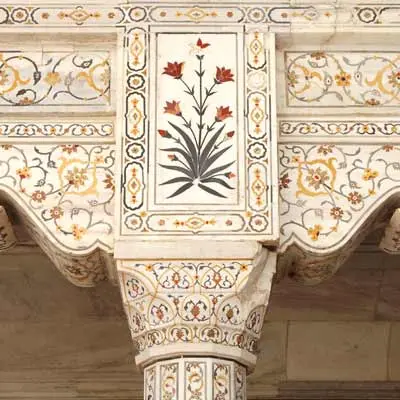
Jama Masjid – This mosque is still in use today which has great tile work and Mughal art.
Tomb of Salim Chishti – Made of white marble amidst red sandstone buildings. Even today, devotees visit to tie threads on its marble windows, praying for children, health, or good fortune
Diwan-i-Khas (Hall of Private Audience) –It has 36 intricately carved brackets supporting a circular platform. This unique structure is believed to symbolize Akbar’s role as a spiritual and political center, accessible from all directions.
Diwan-i-Aam (Hall of Public Audience) – Where Akbar addressed the public and heard grievances.
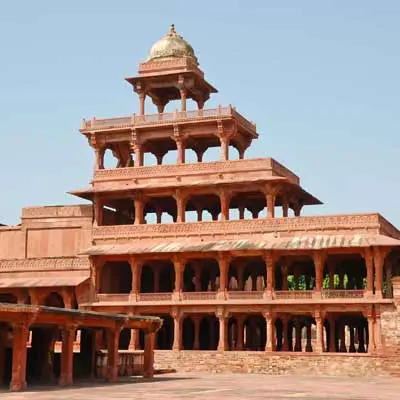
Panch Mahal – It has five receding stories, reflects Akbar’s fascination with peace, leisure, and equality. It was used by the women of the court and is designed to catch the breeze at all times.
Jodha Bai's Palace – The largest residential complex within Fatehpur Sikri, resembles Rajput and Mughal design fusion.
Birbal’s House – A structure built for Akbar’s trusted advisor, with intricate carvings.
There are many more in this place, each telling its own story about the grandeur of the Mughal era.
If you're looking for things to do at Fatehpur Sikri, Hire a local guide who will share fascinating stories about the place. Walking through the ancient corridors and wide courtyards gives visitors a great experience to understand Mughal history.
Best Time To Visit Fatehpur Sikri Fort
The best time to visit Fatehpur Sikri is during between October and March. The temperature is perfect for walking around the heritage building.
Winter (Oct to Mar): This is the peak tourist season and best for sightseeing.Temperature between from 8°C to 25°C.
Summer (Apr to June): It is extremely hot with temperature exceeding 40°C. Generally not recommended due to extreme heat.
Monsoon (July to Sept): There is moderate rainfall during this period. While the crowd is low, humidity is high and slippery surfaces may make it diificult to explore.
Generally sunrise and sunset are best times to visit, with golden light enhancing the red sandstone.
How To Reach Fatehpur Sikri Fort?
Fatehpur Sikri is connected to major cities in North India especially Agra.
- By Air: The nearest airport is Agra Airport which is 40 km away. The next major international airport is Delhi which is roughly 230 km away.
- By Train: The nearest railway station is Fatehpur Sikri Station which is about 1 km from the monument.Second nearest station is Agra Cantt Railway Station about 40 km away from where taxis or buses are available.
- By Road: From Agra it takes about 1 to 1.5 hours by car. From Delhi it takes 4 to 5-hour drive via the Yamuna Expressway. Regular state transport buses and private taxis are available from Agra and other nearby cities.
Tips for Visiting Fatehpur Sikri
- Hire a government-approved guide to understand the significance of each structure.
- Carry water especially during warmer months.
- Wear comfortable shoes
- Reach early to avoid crowds and capture beautiful photos.
- Dress modestly especially if you plan to enter religious sites like the mosque.
Fatehpur Sikri is a paradise for architecture and street photographers.
Here are a few photography tips:
- Visit at sunrise or sunset: The red sandstone glows beautifully in natural light.
- Shoot symmetry: The Mughal design emphasizes balanced layouts—perfect for wide-angle shots.
- Capture daily life: Locals, pigeons, and pilgrims
Respect religious sites: Always ask before photographing people in and around the dargah or mosque
Experiencing Fatehpur Sikri Like a Local
While a few hours is enough to see the main monuments, a more relaxed, immersive visit can reveal much more:
- Attend the evening qawwali sessions which take place near the Salim Chishti Dargah. The Sufi music, echoing through ancient walls, is an unforgettable spiritual experience.
- Explore the bazaars near the site where you can find handmade souvenirs, miniature of the Buland Darwaza, and local leather products.
- Interact with the locals and guides, many of whom are descendants of the original residents of the area and carry oral histories that are not written in any travel guide.
You will witness Fatehpur Sikri not just as a monument but as a living community that carries its legacy.
Accessibility:
The site is walkable but not fully wheelchair-friendly due to uneven paths and steps.
Basic facilities like restrooms and small eateries are available near the entrance.