About Ramnagar Fort
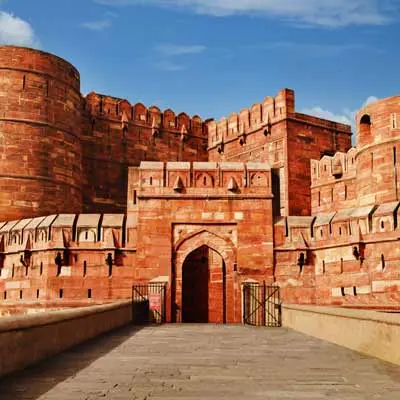
Constructed in 1750 by Kashi Naresh Maharaja Balwant Singh, Ramnagar Fort stands as a majestic 18th-century landmark on the eastern bank of theGanges. This ancient red sandstone fort served as the royal residence and court of the Maharaja of Banaras, reflecting a blend of Mughal-style architecture and regal heritage. Steeped in history and local legends, the area was once known as Vyas Kashi, associated with sage Veda Vyasa. Beyond its strategic riverfront position, the fort has been a vital cultural centre for centuries, famously hosting the UNESCO-recognised Ramnagar Ramlila.
What to Expect?
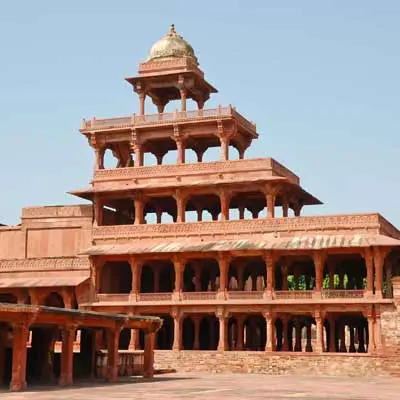
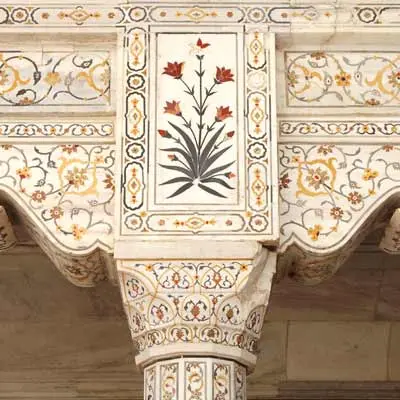
When you step into Ramnagar Fort, you are entering a living piece of royal history that feels worlds away from the chaotic streets of Varanasi. Perched high on the eastern bank of the Ganges to escape seasonal floods, this stunning pale-yellow and red sandstone structure immediately captivates with its blend of Mughal arcades, intricate carved balconies, and airy courtyards. As you approach, look for the flag flying from the white turrets—it signals that the Maharaja is in residence. While much of the fort remains the private home of the former royal family, the accessible areas offer an unforgettable dive into the opulence of the Kashi Naresh. One of the most fascinating things to do at Ramnagar Fort is exploring the royal museum, which houses an eccentric and eclectic collection ranging from vintage cars and ornate palanquins to jewel-encrusted chairs, ivory carvings, and an impressive armoury of antique swords and guns.
Beyond the museum, the fort complex serves as a spiritual sanctuary. You can visit the historic temples dedicated to Ved Vyasa, the legendary author of the Mahabharata, alongside the beautiful Chhinnamastika and Dakshin Mukhi Hanuman shrines. For those seeking the best places to visit in Ramnagar Fort, the Durbar Hall is a highlight, showcasing royal costumes and religious manuscripts that offer a rare window into the past.
If your trip aligns with the autumn season, you are in for a treat; the fort becomes the vibrant epicentre of the month-long Ramlila festival, where the entire complex buzzes with energy and tradition. According to any reliable Ramnagar Fort travel guide, the real magic happens at sunset, when the golden light hits the sandstone walls and reflects off the Ganges, offering photographers a dreamlike view of the city. For practical Ramnagar Fort travel tips, plan your visit for the late afternoon to experience this peaceful riverside ambiance, and remember to carry a camera to capture the exquisite craftsmanship of the carvings.
Best Time To Visit Ramnagar Fort
The best time to visit Ramnagar Fort is during the winter months, from October to March, when the weather in Varanasi is cool, pleasant, and ideal for exploring historical sites. During this period, temperatures remain comfortable, allowing visitors to walk through the fort premises, admire its architecture, and enjoy scenic views of the Ganges without the discomfort of intense heat. This season is often recommended in any Ramnagar Fort travel guide, as it ensures a relaxed and enjoyable sightseeing experience.
A major highlight of visiting during this time is the grand Dussehra festival, when the fort comes alive with the famous Ram Lila performances. The entire surroundings transform into a vibrant cultural space, attracting visitors who wish to witness traditional storytelling, local customs, and royal celebrations. This festive atmosphere adds a unique charm, making it one of the most memorable things to do at Ramnagar Fort.
The monsoon season (July to September) offers a quieter and more scenic experience, as the fort appears especially beautiful surrounded by lush greenery and rain-washed landscapes. However, occasional heavy rains and humidity may affect travel plans, and ferry crossings across the river can sometimes be less convenient.
Summer months (April to June) are generally hot and humid, making daytime exploration less comfortable. If visiting during this time, early mornings or late afternoons are preferable. Ideally, plan your visit between 10 AM and 5 PM when the museum and temple are open. Overall, choosing the right season enhances your experience, allowing you to fully appreciate the history, culture, and beauty of this iconic landmark.
How To Reach Ramnagar Fort?
By Air:The nearest airport is Lal Bahadur Shastri International Airport. From here, taxis and buses are easily available to reach the fort, located around 34 Km away.
By Train:Varanasi Junction is the closest major railway station, about 15 Km away, well-connected to major Indian cities.
By Road:The fort is accessible via the Ramnagar Bridge; taxis, autos, and buses are convenient options.
By Boat:Enjoy a scenic ride from Dashashwamedh Ghat, offering beautiful river views.
Nearby Tourist Spots
- Saraswati Bhawan Museum: Explore royal collections including vintage cars, ivory work, and rare manuscripts.
- Durbar Hall: Admire intricate décor, paintings, and regal architecture within the fort complex.
- Ramnagar Ghat: Enjoy peaceful river views and scenic sunsets along the Ganges.
- Ved Vyas Temple: A serene spiritual spot linked to the legendary sage.
- Dakshin Mukhi Hanuman Temple: A sacred shrine with unique religious significance.
- Tulsi Ghat: A historic and quieter ghat, ideal for cultural exploration.
Tips for Visiting Ramnagar Fort
- Timings & Entry: Open from 10 AM to 5 PM; museum entry fees range from ₹20–₹80 for Indians and around ₹150 for foreigners.
- Best Time of Day: Visit between 3 PM and 4:30 PM for pleasant weather and sunset views over the Ganges.
- Dress Modestly: Wear comfortable, breathable clothes covering shoulders and knees, especially when visiting temples.
- Footwear: Choose comfortable walking shoes for exploring courtyards and museum areas.
- Carry Essentials: Bring water, snacks, sunscreen, and sunglasses.
- Photography: Restricted inside the museum.
- Respect Heritage: Maintain cleanliness and avoid damaging structures.
FAQ: