About Prayagraj
Prayagraj, formerly known as Allahabad, is one of India’s most historically rich and culturally vibrant cities. Its most iconic landmark is the Sangam, the meeting point of the Ganges, Yamuna, and the unseen Saraswati rivers and it is considered deeply significant in Indian traditions. Every 12 years, the city hosts the Maha Kumbh Mela, the world’s largest public gathering. Prayagraj also features impressive Mughal tombs, British-era architecture, and the ancestral home of the influential Nehru Gandhi family. A visit offers a powerful glimpse into India’s living heritage and timeless customs.
Top Tourists Places To Visit in Prayagraj
Prayagraj, a city rich in spirituality and history, offers a blend of sacred sites and architectural marvels.
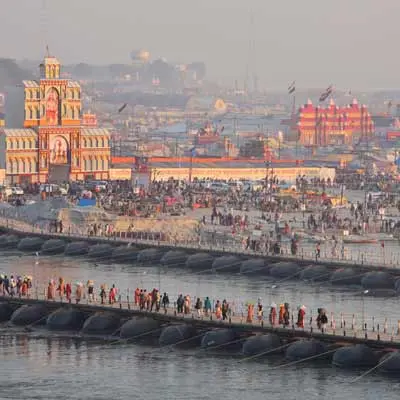
Triveni Sangam: The Triveni Sangam, where the Ganga, Yamuna, and the mythical Saraswati rivers meet, is a major pilgrimage site in Prayagraj (Allahabad), India. It holds deep religious significance in Hinduism and is especially renowned as the site of the Kumbh Mela, one of the largest spiritual gatherings in the world. Devotees visit this sacred confluence to take a holy dip, believed to purify sins and lead toward spiritual liberation.
Shri Bade Hanuman Ji Mandir, Unique underground temple with Hanuman in a reclining sleeping posture.
Alopi Devi Mandir: A Shakti Peeth where no idol is worshipped, only a wooden carriage (doli). Represents the spot where the last part of Sati Devi fell.
Shri Maa Lalita Devi Mandir: Located on the Yamuna bank, this grand temple is a Shakti Peetha where Sati’s right-hand finger fell. Known for its Sri Yantra-inspired architecture and mythological links to the Mahabharata.
Sri Akshayavat & Patalpuri Temple: A sacred banyan tree embodying the divine trinity, located inside the Allahabad Fort. Entry fee applies.
Anand Bhavan: Home of the Nehru family and now a museum exhibiting India’s freedom struggle.
Birthplace of Indira Gandhi. Entry charges: ₹20–₹100.
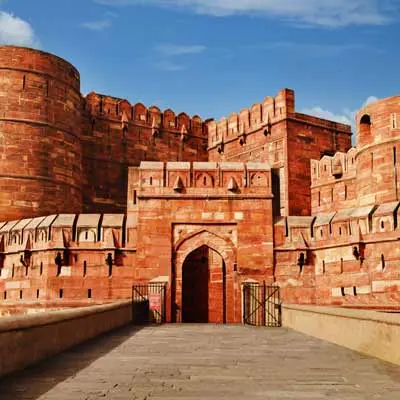
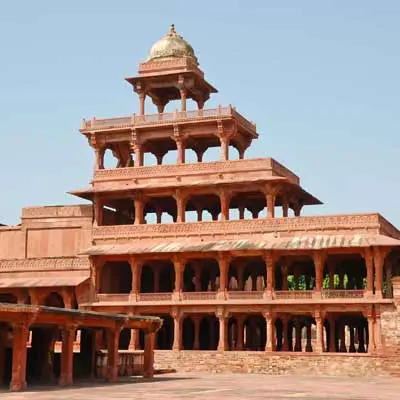
Allahabad Fort: Built by Mughal Emperor Akbar in 1583, it is the largest fort he ever constructed. Situated at the sacred confluence, it showcases classic Mughal architecture. The Hall of Forty Pillars (Sehel Sudhan) inside was a pleasure hall designed to capture river breezes. Access inside is usually restricted, except during the Kumbh Mela held every 12 years. A boat ride at sunrise or sunset offers breathtaking views of the fort and the Sangam.
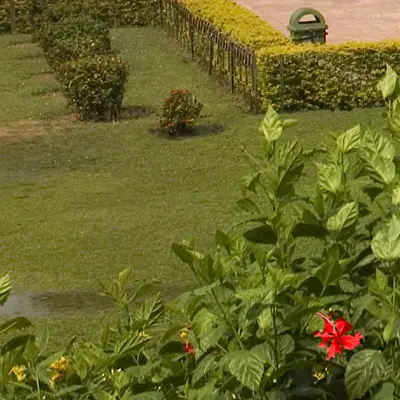
Chandrashekhar Azad Park (Company Garden): Historic Park named after the freedom fighter.
Other notable places include ISKCON Temple, All Saints Cathedral, Jawahar Planetarium, Mankameshwar Temple, and Shirdi Sai Dham.
Prayagraj invites visitors to experience its spiritual depth and rich heritage.
Here are 3 types of itinerary suggestions/tour packages/Travel tips
1-Day Travel Itinerary: Experience Triveni Sangam, visit Bade Hanuman Ji and Alopi Devi Temples, explore Anand Bhavan, and end your day with the Ganga Aarti at sunset.
2-Days Travel Itinerary: Heritage & Holiness – 2-Day Discover Prayagraj Tour
Day one covers Sangam, key temples, Anand Bhavan, and Ganga Aarti, while day two includes Khusro Bagh, Prayagraj Museum, Chandrashekhar Azad Park, and All Saints Cathedral.
3-Days Travel Itinerary: Prayagraj Uncovered – 3 Days of Faith, History & Culture
Day one is for spiritual sites and Sangam, day two focuses on heritage spots and museums, and day three offers local market visits, food trails, and peaceful riverfront time.
Top Things To Do In Prayagraj
Heritage Walk
Explore Prayagraj’s rich history with a guided walk-through colonial landmarks, Mughal-era forts, ancient temples, and freedom movement sites. Ideal for history enthusiasts.
Spiritual Pilgrimage Tour
Visit sacred sites like Triveni Sangam, Bade Hanuman Ji Mandir, Alopi Devi Temple, and Lalita Devi Shakti Peeth. Perfect for seekers of spiritual energy and religious devotion.
Boat Ride at Triveni Sangam
Enjoy a serene boat ride during sunrise or sunset at the Sangam. A great way to witness the river confluence and experience local rituals from the water.
Attend Ganga Aarti
Join the evening Ganga Aarti at the ghats, a beautiful ritual involving chanting, lamps, and music. A must for cultural and spiritual immersion.
Museum and Culture Tour
Visit Anand Bhavan, the Prayagraj Museum, and Khusro Bagh to dive into India’s freedom struggle and Mughal-era heritage. Great for history and culture buffs.
Temple Trail
Explore a variety of temples like Mankameshwar Temple, ISKCON Temple, Kalyani Devi Temple, and Laliteshwar Mahadev. Ideal for those interested in diverse forms of Hindu worship.
Photography Walk
Capture Prayagraj’s old streets, ghats, architecture, and vibrant religious ceremonies. Best suited for photography lovers and travel bloggers.
Picnic at Chandrashekhar Azad Park
Relax with family or friends in this historic green space. Combine leisure with a dose of patriotic history.
Local Food Tour
Taste Prayagraj’s Street foods—chaat, kachori-sabzi, jalebi, and more at old city lanes and local markets. A delicious experience for food lovers.
Prayagraj promises a fulfilling travel experience filled with culture, devotion, ancient rituals, street food and discovery
Best Time To Visit Prayagraj
The best time to visit Prayagraj is from October to March. The weather is cool and pleasant, perfect for sightseeing and attending festivals like the Kumbh Mela and Magh Mela. For a quieter visit, April to June is good, but it can be very hot. Monsoon brings greenery but limits outdoor activities.
Timing Suggestions: Prayagraj Fort (Allahabad Fort): Open from 6:00 AM to 6:00 PM daily.
Alagabat Fort: Open from 9:00 AM to 5:00 PM (please check locally as timings can vary).
Anand Bhavan: Open from 9:00 AM to 5:00 PM, closed on Mondays.
Allahabad Museum: Open from 10:00 AM to 5:00 PM, closed on Mondays.
How To Reach Prayagraj?
By Air :
Prayagraj Airport has regular flights to cities like Delhi and Varanasi.
By Rail :
Prayagraj Junction is a big railway station with trains from Delhi, Mumbai, Kolkata, and other places.
By Road :
You can reach Prayagraj by buses or cars from nearby cities like Varanasi, Lucknow, and Kanpur. Taxis and car rentals are also available. During big events like the Kumbh Mela, extra buses and trains run to help travellers.
Things To Know Before Visiting Prayagraj
The best time to visit Prayagraj is from October to March, when the weather is cool and pleasant. Summers (April–June) can be extremely hot, while winter mornings may be chilly. Dress modestly when visiting temples and religious sites, and always ask permission before photographing people, especially sadhus. Women should be fully clothed when bathing in the Sangam. During the Kumbh or Magh Mela, expect huge crowds—book accommodations early and stay vigilant. Use trusted water sources, avoid unsafe street food, and secure your belongings from pickpockets. Auto-rickshaws and taxis are common for local travel, with walking best in crowded areas.