
Mahabalipuram Tourism
Welcome to Mahabalipuram (Mamallapuram), Tamil Nadu's coastal jewel drenched in the history of the powerful Pallava Kingdom and an essential inclusion for any South Indian Tour Itinerary. Renowned for its UNESCO World Heritage Site status, this historic town offers a fascinating blend of architectural mastery, serene beaches, and vibrant local culture. Planning your next trip? Explore the best of Mahabalipuram tourism with our Mahabalipuram tours and packages, which promise a journey through India's timeless artistry and coastal charm.
About Mahabalipuram
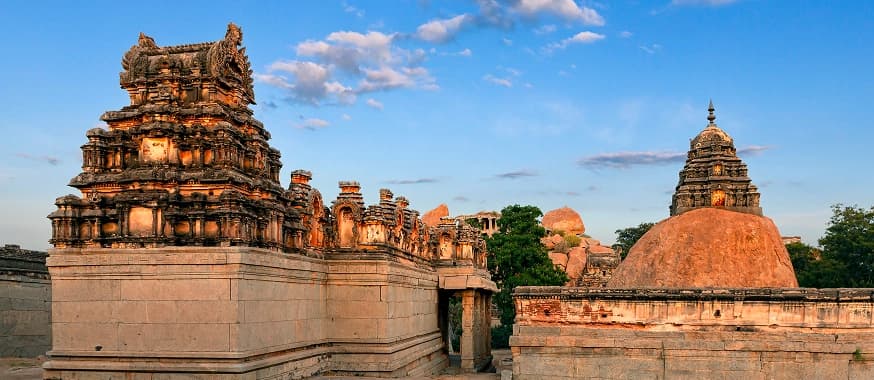
Mahabalipuram, a jewel on the Coromandel Coast that combines Pallava-era grandeur and coastal charm. Its profound historical significance lies in its UNESCO-listed monuments—the Shore Temple, Pancha Rathas, and massive rock reliefs—all showcasing the peak of 7th-century Pallava art and Dravidian architecture. This coastal landscape is not only famous for its ancient granite wonders but also for its vibrant cultural identity, sustained by traditional stone carving and local mythological tales. Economically, the town has transitioned from an ancient port to a modern hub, driven by tourism, real estate growth, and new infrastructure. Visitors on Mahabalipuram tours and packages find this unique blend of monumental heritage and serene beach life absolutely captivating.
Best Time To Visit Mahabalipuram
The best time to visit Mahabalipuram is from November to February, when the weather is pleasant and ideal for exploring heritage sites and beaches. This peak season draws many travelers seeking cultural and seaside experiences. March to June is hot and humid, yet offers fewer crowds and discounted Mahabalipuram tours and packages. July to October sees monsoon rains, adding a refreshing charm but limiting outdoor plans. Light cotton clothing, hats, and sunscreen are recommended year-round. Also pack an umbrella and water-resistant footwear if travelling during the monsoon. Plan your visit around festivals like the Mahabalipuram Dance Festival (December–January) for a cultural delight.
Mahabalipuram Tour Packages
View All
Top Tourist Places to Visit in Mahabalipuram
Shore Temple:
Perched on the Bay of Bengal, this 8th-century structural temple is Mahabalipuram's signature monument, famed for its pyramidal shrines dedicated to Lord Shiva and Lord Vishnu and sea-washed setting. Entry: ₹40 (Indian), ₹600 (foreign); free for children.
Pancha Rathas:
These five monolithic temples are an engineering marvel, each carved entirely out of a single granite rock, showcasing distinct Dravidian architectural styles. An essential stop for architecture enthusiasts. Entry is covered by the common monument ticket (approx. ₹40 Indian / ₹600 Foreigner).
Arjuna's Penance (Descent of the Ganges):
As one of the world's largest open-air rock reliefs, this colossal carving intricately depicts mythological scenes of great spiritual significance, including the penance of Arjuna or the descent of the Ganga River. Entry is covered by the common monument ticket (approx. ₹40 Indian / ₹600 Foreigner).
Mahishasuramardini Cave Temple:
This ancient rock-cut cave is celebrated for its exquisite reliefs, particularly the vibrant depiction of the Goddess Durga in battle with the demon Mahishasura, symbolizing the triumph of good over evil.
Krishna's Butterball:
This gravity-defying, massive granite boulder is a natural wonder, appearing perpetually poised to roll down a slope. It is a popular, picturesque attraction famed for the local legend that ties it to the Hindu God Krishna's love for butter. This spot is an excellent photo opportunity.
Mahabalipuram Beach:
Located near the historic Shore Temple, this scenic 20 Km-long coastline is a perfect spot for unwinding, sunbathing, and enjoying the sea breeze, blending ancient history with natural tranquillity. Free public access, small fees for some activities.
Mahabalipuram Lighthouse:
Built upon the foundations of an older Pallava structure, this functional lighthouse offers spectacular panoramic views of the monuments, the town, and the Bay of Bengal, making it a great photo spot. Entry: approx. ₹10 for Indians, ₹25 for foreigners, ₹5 for children.
India Seashell Museum:
Asia's largest seashell museum, it's famous for its vast and artistically arranged collection of over 40,000 species of seashells, themed galleries including dinosaur and pearl displays, and marine fossils from around the globe. Great for families and curious visitors. Entry varies by gallery (approx. ₹100–₹400 for combos).
Top Things to Do in Mahabalipuram
Heritage Walk Through the Monuments
Beachside Relaxation & Water Activities
Culinary & Seafood Trail
Yoga & Wellness Retreat
Shopping for Local Handicrafts
How To Reach Mahabalipuram?
The nearest airport is Chennai International Airport, around 55 Km away. Regular taxis and cabs connect the airport to Mahabalipuram, making it convenient for visitors booking Mahabalipuram tours and packages.
The nearest railway station is Chengalpattu Junction, about 30 Km away, well-connected to major South Indian cities. From there, local taxis or buses are easily available.
Mahabalipuram is well-linked via the scenic East Coast Road (ECR) from Chennai. Regular buses and private vehicles make the journey enjoyable for those exploring Mahabalipuram tourism.
Important Travel Tips For Mahabalipuram
- Mind the Monument Timings: All major monuments, including the Shore Temple and Pancha Rathas, are open daily from 6 AM to 6 PM, while ticket counters close by 5:30 PM. Plan your visit early to avoid the heat and crowds.
- Hire a Local Guide: Enhance your Mahabalipuram tourism experience by hiring an authorized guide available near major sites. They share fascinating insights into Pallava art and history.
- Use Audio Tours: Take advantage of free audio recordings and information boards at key monuments for a self-paced, informative experience.
- Getting Around: Explore on foot or hire local transport for convenience, as attractions are spread across the coastal town.
- Cash & Cards: Carry small cash for local markets and eateries; larger stores and hotels accept cards.
- Stay Hydrated: The coastal climate can be hot—wear light cotton clothing, sunscreen, and carry water.
- Respect Heritage: Avoid climbing or scribbling on monuments; preserving these UNESCO treasures ensures sustainable Mahabalipuram tours and travels for all.
Things To Know Before Visiting Mahabalipuram
- Heritage Etiquette: Mahabalipuram, a UNESCO World Heritage site, deserves respect - avoid touching or climbing on monuments. Writing or damaging structures is strictly prohibited.
- Dress Code: While no strict rules exist, dress modestly out of respect for the site's cultural and religious values.
- Tickets: Entry costs ₹40 for Indians and ₹600 for foreigners. Children under 15 can enter for free. Buy online via the Archaeological Survey of India website or at any of the three ticket counters.
- Photography: Cameras and phones are allowed without extra charges.
- Getting Around: Sites are spread out, so be ready for extensive walking.
- Safety Tip: Avoid swimming in the sea due to strong currents.
Frequently Asked Questions
Popular Tour Packages
Most booked holidays, hand-picked by our travellers