
Tanjore Tourism
Welcome to Thanjavur (Tanjore), the former royal capital and a cornerstone of Tanjore tourism, offering an awe-inspiring look at the genius of early engineers and sculptors. This incredibly fertile city, known as the 'rice bowl of Tamil Nadu,' is a prime destination for exploring art, architecture, and religious heritage. Book one of the captivating Tanjore tours and travels to immerse yourself in the rich history of the Cholas, ancient sculptures, and vibrant traditions. The iconic Brihadeeswara Temple awaits.
About Tanjore
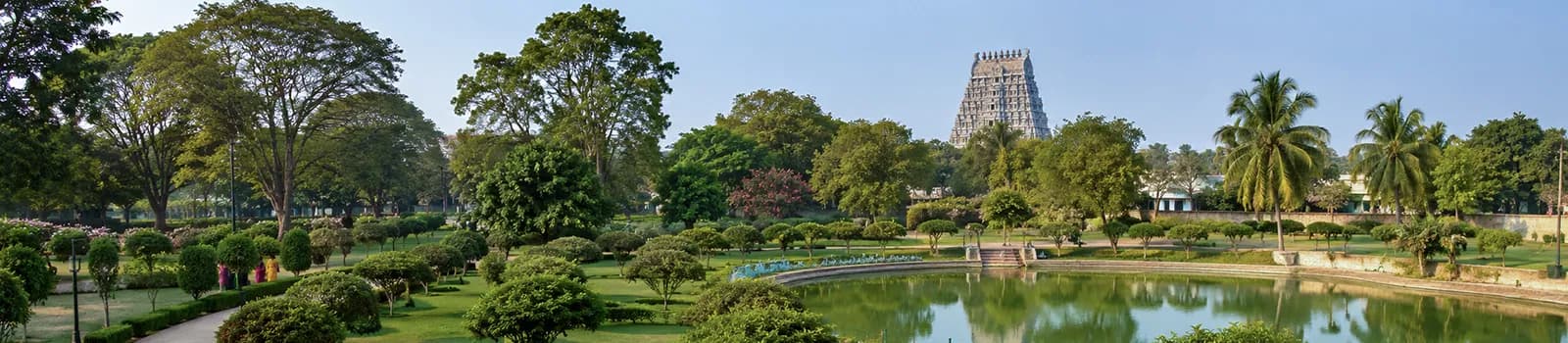
Tanjore, the cultural gem of Tamil Nadu, is a city where history, art, and spirituality converge beautifully. Historically, the capital of the magnificent Chola dynasty, its enduring cultural identity is showcased by the UNESCO-listedBrihadeeswarar Temple - a masterpiece of Dravidian architecture - and vibrant local traditions like the glittering Tanjore paintings, bronze casting, and Carnatic music. This unique city is famed as the "Rice Bowl of Tamil Nadu" due to its fertile Kaveri delta landscape, which underpins its agricultural and economic importance. Tourists who explore our Tanjore tours and packages will witness a city where every corner, from the palace to the paddy field, preserves a glorious and uniquely rich South Indian heritage.
Best Time To Visit Tanjore
The best time to visit Tanjore is from October to March, when the weather is pleasant — ideal for temple visits and sightseeing. The shoulder months of July–September bring mild showers and fewer crowds, perfect for budget-friendly Tanjore tours and travels. April–June is the off-season due to heat (up to 38°C), though great for peaceful exploration. Major festivals like Navaratri add cultural charm. Light cottons are ideal year-round, with umbrellas or shawls for monsoon evenings.
Tanjore Tour Packages
View All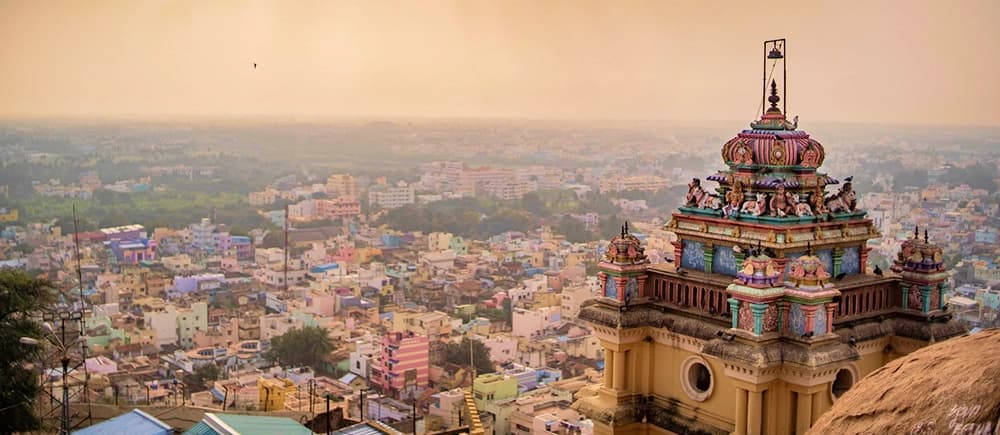
Top Tourist Places to Visit in Tanjore
Brihadeeswara Temple (Peruvudaiyar Kovil):
This UNESCO World Heritage site, dedicated to Lord Shiva, is a magnificent 11th-century architectural marvel built entirely of granite without binding agents. It is famous for its towering 216-foot vimana (main tower) topped by an estimated 80-ton capstone, intricate carvings, and a massive Nandi statue.
Swamimalai Murugan Temple:
A key stop on many Tanjore tours and travels, this is one of the six sacred abodes (Arupadai Veedu) of Lord Murugan. The temple is famous for the legend that Murugan taught his father, Lord Shiva, the meaning of the sacred mantra "Om" here. Its 60 steps represent the 60 years of the Hindu calendar.
Gangaikonda Cholapuram:
Explore the architectural ruins of this ancient Chola capital, built by King Rajendra Chola I to commemorate his conquest up to the Ganges. Its Brihadeeswarar Temple, a UNESCO World Heritage Site, is known for its graceful curves, elaborate sculptures, and massive size, reflecting the power and artistry of the Chola Empire.
Airavatesvara Temple, Darasuram:
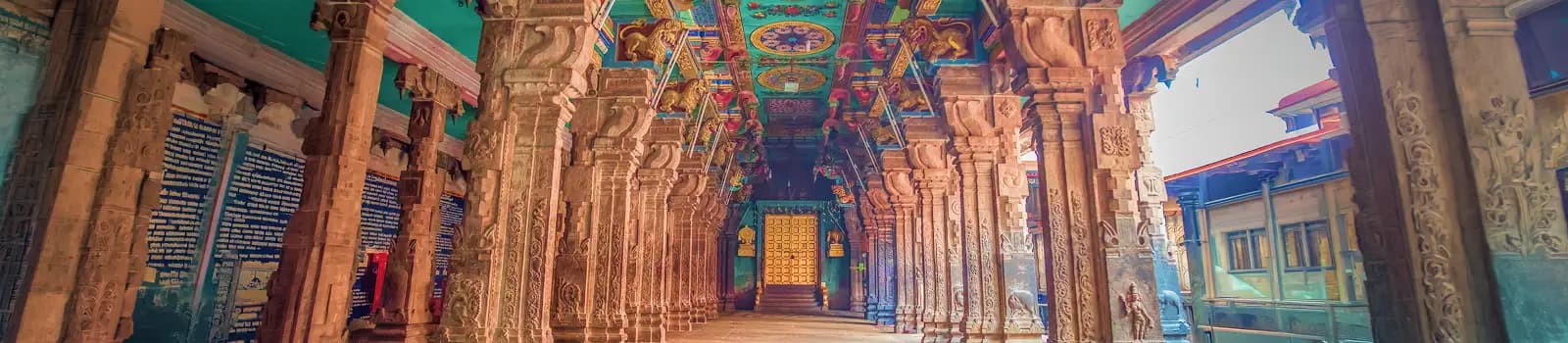
Part of the "Great Living Chola Temples" UNESCO sites, this structure is renowned for its hyper-detailed, intricate carvings and its unique chariot-shaped design. A significant feature is the set of "singing steps" that produce musical notes when tapped. This temple is a testament to the advanced Chola craftsmanship of the 12th century.
Thanjavur Maratha Palace (Aranmanai):
Originally built by the Nayaks and expanded by the Marathas, this sprawling palace complex offers a deep dive into royal history. It houses the Sadar Mahal Palace, Durbar Hall, and an Art Gallery featuring exquisite Chola bronzes.
Saraswati Mahal Library:
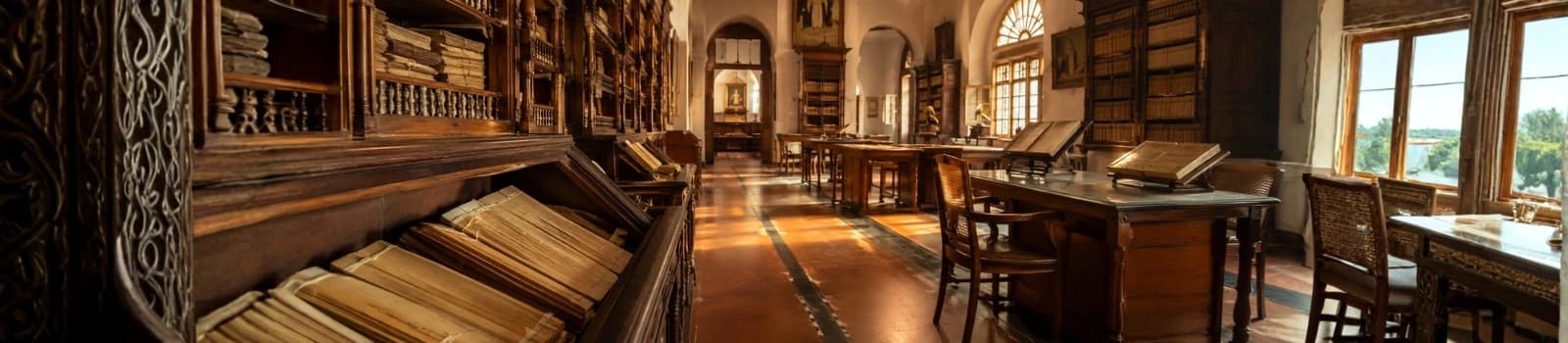
Located within the Thanjavur Palace complex, this institution is one of the oldest surviving libraries in Asia, established in the 16th century. It is famous for its vast collection of over 49,000 rare palm-leaf and paper manuscripts in various South Indian languages. There is typically a nominal entry fee.
Top Things to Do in Tanjore
Heritage Walk through Tanjore’s Temples
Visit the Maratha Palace Complex
Discover Ancient Manuscripts at Saraswati Mahal Library
Enjoy Local Cuisine & Street Food
Shop for Tanjore Paintings & Handicrafts
Tanjore Tourist Attractions
View All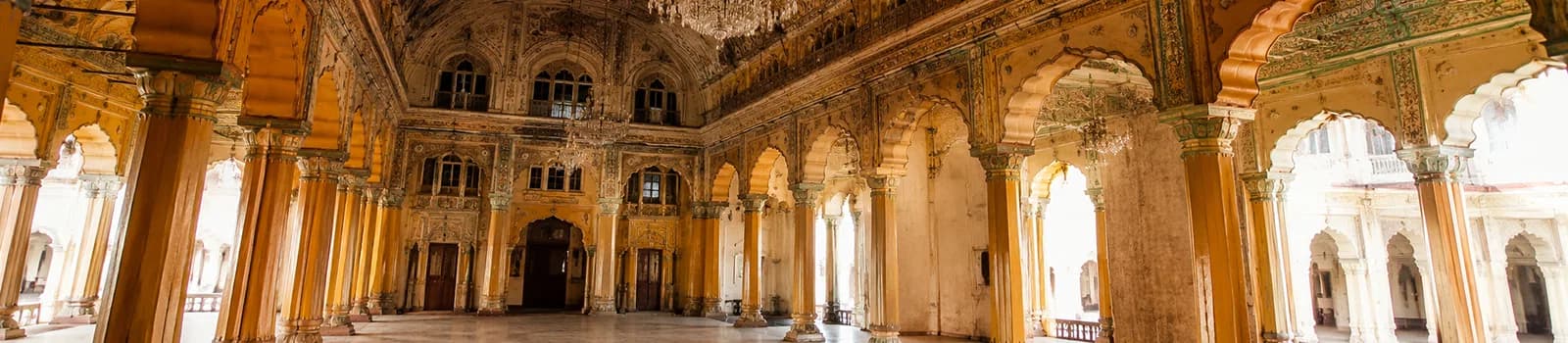
How To Reach Tanjore?
The nearest airport is Tiruchirappalli International Airport, about 60 km away. Regular taxis and buses connect the airport to Tanjore city.
Tanjore Junction Railway is well-linked to Chennai, Madurai, and Tiruchirappalli, making rail travel convenient for most visitors.
Excellent highways connect Tanjore with major Tamil Nadu cities. Buses and private cabs are easily available for a comfortable journey across Tanjore.
Important Travel Tips For Tanjore
- Duration: Plan a 2–3 day trip to explore all the major places to visit in Tanjore, such as the Brihadeeswarar Temple, Thanjavur Maratha Palace, and traditional art centers.
- One-Day Itinerary: If short on time, prioritize the Brihadeeswarar Temple and Thanjavur Maratha Palace, the city’s two most iconic landmarks.
- Getting Around: Autos and cabs are easily available. For a more immersive experience, try walking through the temple streets and local markets.
- Festival Experience: Visit during Pongal or Maha Shivaratri to enjoy Tanjore’s rich culture and temple festivities.
- Shopping: Explore local craft centers for Tanjore paintings, bronze idols, and dancing dolls — perfect souvenirs of your trip.
- Plan Road Trips:Tanjore is well-connected by road from Madurai, Trichy, and Kumbakonam, making for scenic drives.
- Cash & Cards: Carry small cash for local vendors and tea stalls. Most hotels and shops accept cards, though ATMs may be limited in smaller areas.
Things To Know Before Visiting Tanjore
- Temple Attire: Always dress modestly for temple visits, especially the Brihadeeswara Temple. Avoid shorts, mini-skirts, and sleeveless tops to respect the tradition.
- Photography Rules: Photography is generally allowed on temple grounds, but is strictly prohibited inside the main sanctum sanctorum of all major temples.
- Shopping: Allocate time to shop for unique local handicrafts. Famous items include traditional Tanjore paintings, dancing dolls (Thalaiyatti Bommai), and exquisite bronze ware.
- Hydration: The climate can be warm and humid, so be sure to carry a water bottle while exploring the sprawling temple complexes and historical sites.
Frequently Asked Questions
Popular Tour Packages
Most booked holidays, hand-picked by our travellers