
Kanyakumari Tourism
Welcome to Kanyakumari, the jewel of Tamil Nadu tourism, where the Arabian Sea, Bay of Bengal, and Indian Ocean unite in a breathtaking confluence. This vibrant coastal town is one of the most exotic tourist places in India, celebrated for its serene beaches, sacred temples, unique ocean confluence, and the unparalleled view of simultaneous sunset and moonrise on full moon days. Embark on a memorable trip with Kanyakumari tours and travels to experience its spectacular beaches and rich cultural monuments.
About Kanyakumari
Once known as Cape Comorin, Kanyakumari flourished under the Cholas, Cheras, and Pandyas and remains a vital pilgrimage site dedicated to Goddess Kanya Kumari. Its geographical features are stunningly unique, marking the sacred Triveni Sangam where the Arabian Sea, Bay of Bengal, and Indian Ocean merge, offering the rare spectacle of watching the sunrise and sunset over the water from the same spot. Its rich culture blends Tamil traditions, colorful festivals, and coastal cuisines, reflecting harmony among diverse faiths. Framed by serene beaches and the meeting of the Ghats, Kanyakumari thrives on tourism, fishing, and agriculture. A journey here offers unparalleled views and a deep spiritual encounter, making it a must-visit destination in Tamilnadu.
Best Time To Visit Kanyakumari
The best time to visit Kanyakumari is from October to March, when the weather is pleasant (20°C–30°C), ideal for sightseeing and beach walks. This peak season offers clear skies but attracts more tourists. April to June is warm yet manageable, a shoulder season perfect for quieter experiences and discounted stays. July to September brings monsoon rains, making it a budget-friendly off-season with lush landscapes but limited sea activities. Key festivals like Chitra Pournami (April/May) and Navaratri (September/October) showcase vibrant local culture. Pack light cotton wear in summer, comfortable clothes with rain gear during monsoon, and light woolens for cooler winter evenings. For a seamless coastal getaway, many Kanyakumari tours and packages align perfectly with seasonal highlights.
Kanyakumari Tour Packages
View All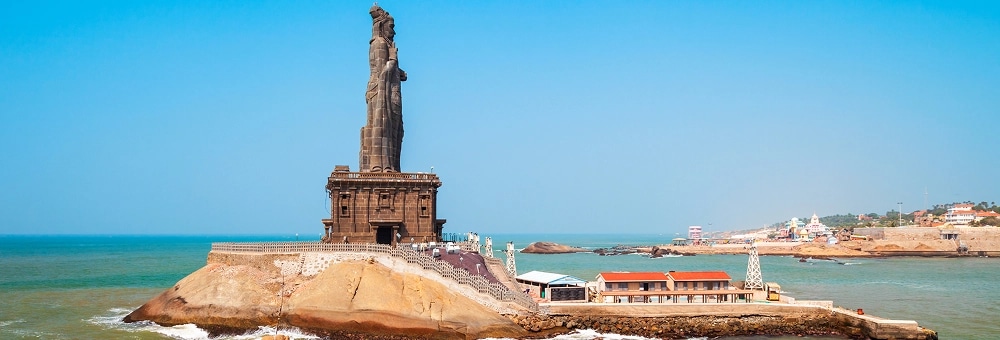
Top Tourist Places to Visit in Kanyakumari
Vivekananda Rock Memorial:
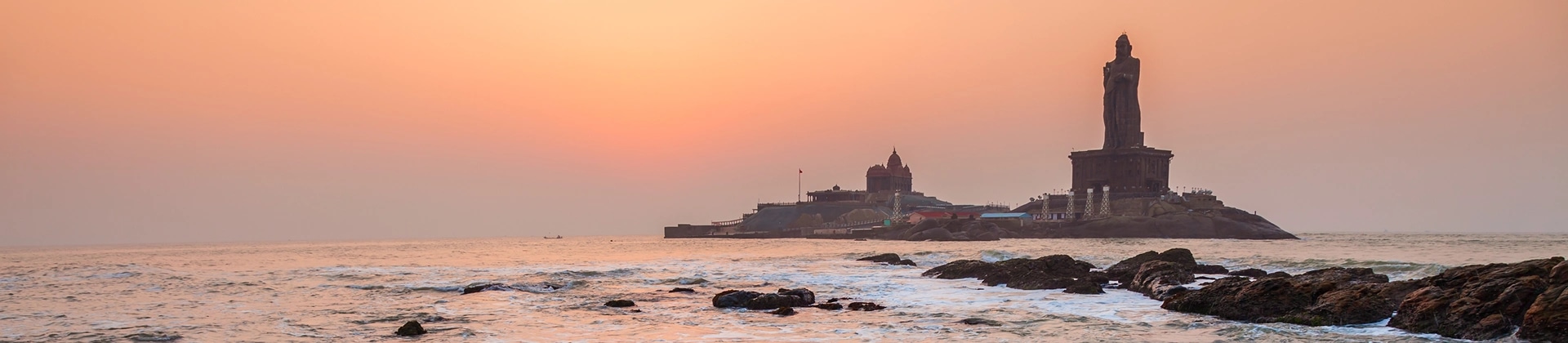
Situated on a mid-sea rock, this spiritual spot is famous as the site where Swami Vivekananda meditated. Accessible by ferry (approx. ₹100 round trip), the memorial features the Dhyana Mandapam, offering spectacular views of the ocean confluence. Entry to the memorial is around ₹30 per person.
Thiruvalluvar Statue:
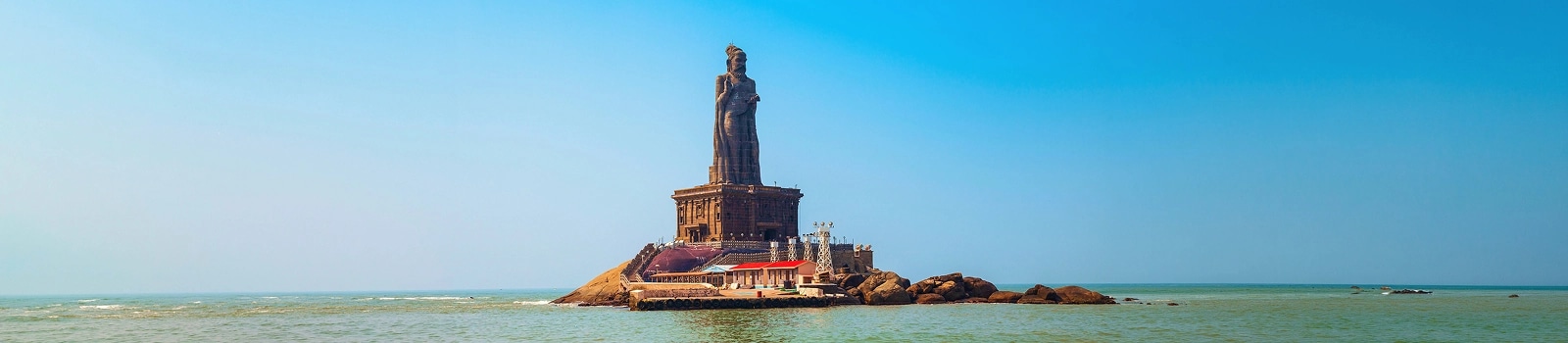
Located on an adjacent rock island, this towering 133-foot statue is a grand tribute to the revered Tamil poet, Thiruvalluvar. Its height symbolically represents the chapters of the classic work, the Tirukkural. Ferry charges are combined with the memorial ticket, typically around ₹100 for a round trip to both monuments.
Kanyakumari Glass Bridge:
India's first glass bridge built over the sea, this 77-meter-long architectural marvel seamlessly connects the Vivekananda Rock Memorial and the Thiruvalluvar Statue. The bridge offers a thrilling walk with breathtaking 360-degree views of the Triveni Sangam. Access is included with your ferry ticket to the monuments.
Kanyakumari Beach:
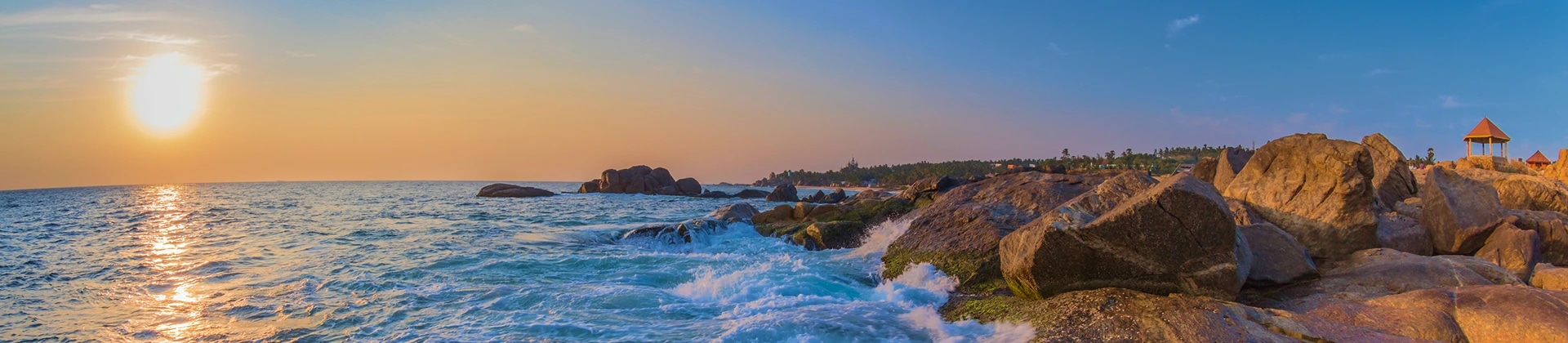
Unique for being the literal 'Land's End' where three oceans meet, this beach is one of the world's few spots to witness both sunrise and sunset over the water from the same location. It is famous for its rocky shoreline and multi-coloured sand; there is no entry fee for the beach itself.
Padmanabhapuram Palace:
A magnificent historical and architectural jewel, this is one of Asia’s largest wooden palaces, showcasing the rich heritage of the Travancore kingdom. Entry fees are ₹50 for Indian adults and ₹500 for foreign adults. It is closed on Mondays.
Gandhi Memorial:
This serene memorial is famed as the place where Mahatma Gandhi’s ashes were kept before immersion. Its architecture is remarkable, designed so that the sun's rays fall directly on the spot where the urn was placed every October 2nd. Entry is free for all visitors.
Top Things to Do in Kanyakumari
Witness Sunrise and Sunset at Kanyakumari Beach
Visit Vivekananda Rock Memorial & Thiruvalluvar Statue
Explore Padmanabhapuram Palace
Stroll the Kanyakumari Glass Bridge
Discover Thiruparappu Waterfalls
Local Food & Shopping Tour
Visit the Mathoor Hanging Bridge
Kanyakumari Tourist Attractions
View All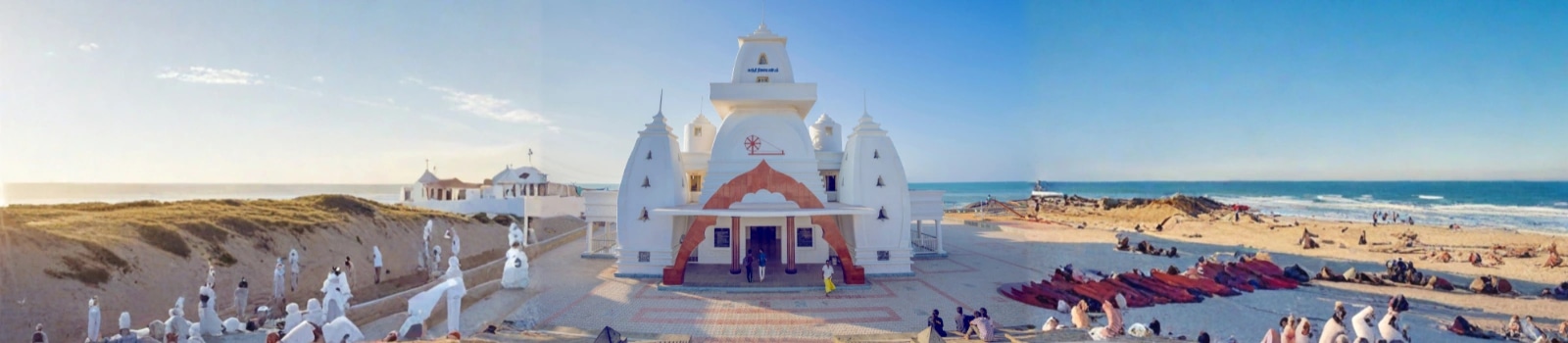
How To Reach Kanyakumari?
The nearest major airport is Trivandrum International Airport (TRV), approximately 90 Km away. From there, you can easily hire a taxi or take a bus to Kanyakumari.
Kanyakumari has its own railway station (CAPE), which is the terminus for many trains, including long-distance ones from major Indian cities like Mumbai, Delhi, Chennai, and Bangalore. It's an excellent option for comfortable and cost-effective travel.
The town has superb road connectivity. National Highways connect it to all major South Indian cities. Regular and comfortable bus services, ideal for Kanyakumari tours and travels, run from Chennai, Bangalore, and Trivandrum.
Important Travel Tips For Kanyakumari
- Plan Your Visit Wisely: The best time to visit Kanyakumari is between October and March when the weather is pleasant for sightseeing and enjoying the coastal views.
- Stay Hydrated: The tropical climate can get humid, so carry a reusable water bottle and stay refreshed throughout your trip.
- Dress Modestly: When visiting temples like the Kumari Amman Temple, follow local customs and dress conservatively.
- Book in Advance:Kanyakumari is a popular tourist and pilgrimage hub, so book hotels and transport early, especially during festivals.
- Local Transport: Use autos or rented bikes for short distances - convenient and budget-friendly ways to explore nearby places to visit in Kanyakumari.
- Cash & Cards: Carry some cash for street food, temple offerings, and local markets; cards work at most hotels and restaurants.
- Cultural Experience: Don’t miss local dance shows or coastal festivals for an authentic taste of Kanyakumari tourism and Tamil culture.
Things To Know Before Visiting Kanyakumari
- Dress Code: Temples strictly require modest attire. Men should remove their shirts inside some temples, and women must cover their shoulders and wear long garments.
- Photography Rules: Be aware that cameras and video recording are often not allowed inside the main temple premises, including the Kanyakumari Amman Temple.
- Sunrise/Sunset Timing: Check the local weather for precise timings to catch the dual natural spectacle. Arrive at least 30 minutes early, especially during the peak season for Kanyakumari tourism.
- Souvenirs: Look for authentic local shell crafts, wooden carvings, and spiritual items. Bargaining is acceptable in street markets.
- Local Food: Indulge in local snacks like crisp banana chips and savoury dishes like Appam and fresh seafood.
Frequently Asked Questions
Popular Tour Packages
Most booked holidays, hand-picked by our travellers