

About Kedarnath
Kedarnath, nestled at 3,583 meters in Uttarakhand's Rudraprayag district, is a revered Hindu pilgrimage site famed for the Kedarnath Temple, one of the 12 sacred Jyotirlingas of Lord Shiva. Believed to be established by the Pandavas and revived by Adi Shankaracharya in the 8th century, the temple holds deep spiritual and historical significance. Surrounded by the Himalayas and the Mandakini River, the town embodies resilience, especially after the 2013 floods. Rich in Garhwali culture and traditions, Kedarnath offers devotional hymns, local rituals, and festivals. Its serene environment, glacial views, and spiritual aura attract pilgrims and peace-seekers alike each year
Top Tourist Places to Visit in Kedarnath
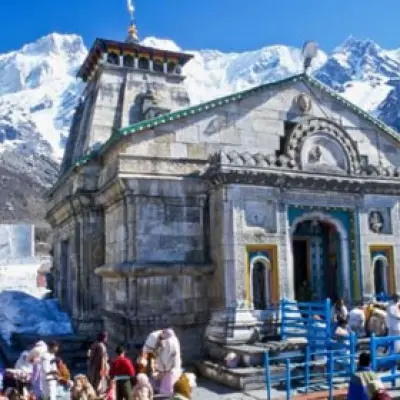
Kedarnath Temple:
The heart of Kedarnath tourism, this ancient temple dedicated to Lord Shiva is surrounded by majestic snow-capped peaks. A must-visit spiritual landmark.
Bhairavnath Temple:
Just 500 meters uphill, this temple offers panoramic valley views and is believed to protect Kedarnath during winters.
Gandhi Sarovar (Chorabari Tal):
A tranquil glacial lake 3 km from Kedarnath Temple, famous for the immersion of Mahatma Gandhi’s ashes. Perfect for a scenic trek.
Vasuki Tal:
An 8 km trek leads to this stunning high-altitude lake, ideal for adventure lovers and nature photographers.
Triyuginarayan Temple:
Located 25 km away, it is the legendary site of Lord Shiva and Parvati’s marriage, featuring an eternal flame.
Sonprayag:
The sacred confluence of Basuki and Mandakini rivers, also the last motorable point before Gaurikund, the trek base.
Top Things to Do in Kedarnath
Visit Kedarnath Temple: Participate in the temple rituals, attend the morning and evening aartis, and absorb the divine atmosphere of one of Hinduism's holiest shrines.
Trek to Kedarnath: The 16 km trek from Gaurikund to Kedarnath is a pilgrimage, offering lush forests, waterfalls, and awe-inspiring mountain views. It’s a test of devotion and endurance.
Explore Bhairavnath Temple: The steep hike up to Bhairavnath Temple rewards you with panoramic views of the valley and a spiritual experience.
Hike to Gandhi Sarovar: Ideal for a short-day trek, the journey to this serene lake through meadows and streams is peaceful and photogenic.
Take a Helicopter Ride: For those unable to trek, a helicopter ride offers quick access to Kedarnath and stunning aerial views of the Himalayas.
Visit Vasuki Tal: This offbeat high-altitude lake requires a bit of effort to reach but rewards trekkers with mesmerizing views and tranquillity.
Experience Local Culture: Interact with locals, observe traditional Garhwali architecture, and learn about the rituals and beliefs surrounding the temple and nearby sites.
Photography and Nature Walks: The raw beauty of the mountains, glaciers, and forests offers endless opportunities for photography and peaceful walks.
Meditation and Spiritual Retreats: The serene environment is ideal for meditation and reflection, attracting spiritual seekers beyond religious pilgrims.
Shop for Local Handicrafts: Small stalls offer woollen clothes, religious souvenirs, and local herbs. Shopping supports local livelihoods and offers a piece of Kedarnath to take home.
Kedarnath offers more than just pilgrimage—it’s a destination that balances spirituality with adventure and natural beauty. Carry a good camera, dress in layers, and respect the fragile ecosystem to make the most of your visit.
With a blend of spirituality, adventure, and natural beauty, Kedarnath is truly a destination that leaves a lasting impression.
Best Time To Visit Kedarnath
The best time to visit Kedarnath is from May to June and September to October. These months offer pleasant weather, clear skies, and safer trekking conditions. The temple opens in late April or early May (Akshaya Tritiya) and closes around November (Bhai Dooj) due to heavy snowfall. Avoid the monsoon season (July to August) as landslides and roadblocks are common. Early mornings and late evenings are cold, even in summer, so layering is advised. Planning your visit in the shoulder seasons (May or October) helps you avoid peak crowds while still enjoying the region’s beauty and spirituality.
How To Reach Kedarnath?
Kedarnath is not directly accessible by road or rail. The nearest major town is Rishikesh (220 km). From there, drive or take a bus/taxi to Gaurikund, the last motorable point. A 16 km trek from Gaurikund leads to Kedarnath Temple. Helicopter services are available from Phata, Guptkashi, or Sersi for quicker access. The nearest railway station is in Rishikesh, and the closest airport is Jolly Grant Airport, Dehradun (250 km). Regular taxis and buses connect major cities in Uttarakhand to Gaurikund. It’s advisable to check road and weather conditions before departure, especially during monsoon season.
Things To Know Before Visiting Kedarnath
Kedarnath is located at a high altitude, so proper acclimatization is crucial. Carry warm clothing, rain gear, and essential medicines. Medical facilities are limited, so prepare accordingly. The trek from Gaurikund is moderately difficult—physical fitness is recommended. Helicopter services are available but should be booked in advance. Mobile connectivity is limited, especially for non-BSNL users. Carry cash, as ATMs and card facilities are scarce. Check the temple opening dates and weather forecasts before planning. Lastly, respect local customs, maintain cleanliness, and avoid plastic usage to preserve the sanctity and environment of this sacred destination.
FAQs:
Aloo ke Gutke: Spiced boiled potatoes, a Garhwali favourite.
Kandalee Ka Saag: A traditional green leafy vegetable dish.
Mandua (Ragi) Roti: Nutritious flatbread made from finger millet.
Phaanu: A protein-rich lentil curry popular in the region.
Jhangora Kheer: A sweet pudding made from millet and milk.
Meals are usually served in dhabas and local eateries, often as simple thali meals with rice, dal, vegetables, and chapatis.
Popular Destinations in Uttarakhand
View all

Uttarakhand Packages
View all

Uttarakhand Temples
View all
Uttarakhand Tourist Attraction
View all
Nainital Hills
The bliss of nature can be felt in the hill station of Nainital....