Introduction
Uttarakhand proudly called as Devbhoomi by the locals is literally a heaven on Earth - holds a kind of holiness you can feel in the hills, streams, trees, even the breeze. Back when the sacred sages wandered here, they’d sit still for ages, lost in thought; now old legends drift through the lowlands instead. Temples cling to rocky edges, perched high above ground, calling out - not loudly - for those wanting truth or peace.
Snow-capped summits sparkle like sacred jewels, while rushing streams glow clean under open skies, yet ancient temple chimes carry far through towering Himalayan views - making each visitor feel they’ve walked straight into an unfolding legend. Through ageless trails, forgotten holy tracks, also gods honored since before memory, Uttarakhand delivers faith that hits as wild as the land, runs as old as tradition, plus renews like crisp highland breezes.
Major Temples Overview
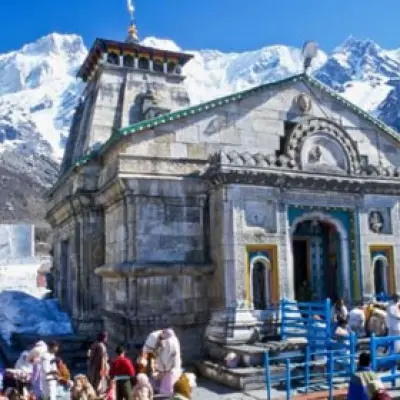
The Kedarnath Temple sits high up among towering Himalayan mountains, deep in spiritual meaning for followers of Shiva. Constructed with huge slabs of rock, it’s endured icy cold seasons, strong gusts, even ancient disasters - still holding firm through time. Devotees think its holy Jyotirlinga gives calmness, courage, maybe freedom too. Hiking toward the site, hearing quiet prayers ripple across the hills, seeing sunlight hit the temple early morning - it doesn’t seem like travel so much as coming alive.
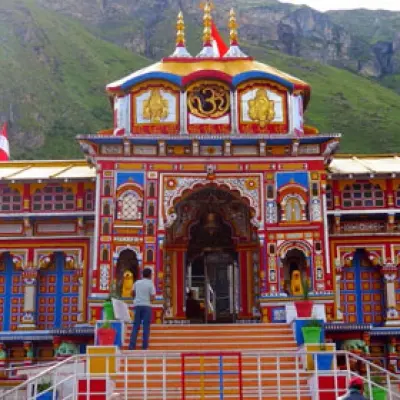
A trip into spirit lands you straight at Badrinath Temple, built for Lord Vishnu. Sitting tight between Nar and Narayana peaks, its walls burst with color, soaked in old stories. Close by, the calm Alaknanda winds past, while Tapt Kund’s warm waters pull visitors in ahead of prayer time. No other place feels quite like this - meditation hums here; saints, epics, even whispers from Mahabharata link it to deep wisdom.
Up on a ridge over Rishikesh stands the bold Neelkanth Mahadev Temple - tied to the story where Shiva swallowed poison from the ocean’s stir. Thick woods wrap around it, showing strength, change, and shelter from something greater. Bright sculptures sit beside a holy water source; together with wide-open sights, they pull in those chasing peace or just loving wild spaces.
Another bright spot of faith is Yamunotri Temple, where the holy Yamuna begins. Nestled between steep peaks and icy streams, it mixes clean beauty with old legends. Devotees cook prasad by dropping rice and potatoes into steaming pools near the temple - an unusual practice showing how nature joins prayer. Hiking there, along tight paths filled with roaring water, helps travelers find quiet inside.
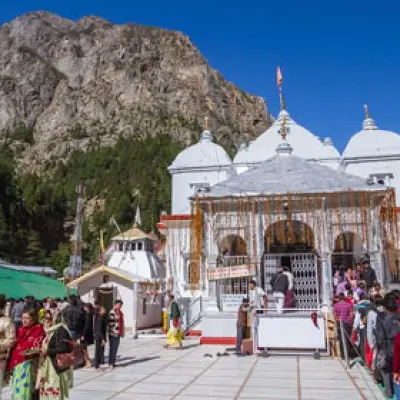
Just as crucial is Gangotri Temple, marking where the Ganga River begins. Its gleaming white walls sit quietly amid rough mountain peaks. Faithful visitors say bathing in the freezing streams wipes away sins from past lives. Everywhere you hear rushing water mixed with monks’ chants - making it feel holy, real, and unchanged.
Finishing off the famous Char Dham route brings you to Hemkund Sahib and the Lakshman Temple zone - spirituality blends with high-altitude beauty here. Though Hemkund Sahib is mostly visited by Sikh pilgrims, the close-by Lakshman Temple, linked to ancient tales, enriches the site’s Hindu roots. Fed by melting snows, clear skies, and massive mountains come together, creating a vibe that seems to wash away mental clutter. Soothing stillness settles in when you're up there.
Why Visit These Temples
Going to temples in Uttarakhand isn't only for prayer - it opens your mind, brings peace, also builds strength from within. The mountains surround each sacred spot with quiet energy, so people can relax more, sense freedom, while thinking clearly. Every shrine holds a unique energy - Kedarnath gives strength, Badrinath shares insight, Gangotri along with Yamunotri stand for clarity, whereas Neelkanth Mahadev pushes change. Tourists stroll along old pilgrimage paths walked by generations of wise people, move across shaky footbridges above rushing rivers, while watching rituals carried out just like hundreds of years back.
Festivals and Cultural Significance
During festivals, temples in Uttarakhand shine with deep faith. On Makar Sankranti or Mahashivratri, crowds arrive - not just for prayer but also music that floats through hills. The Badri-Kedar events pull devotees who join chants while walking along mountain trails instead of staying silent. At Gangotri, the temple's opening brings color, noise, joy - locals welcome it like a long-lost guest. Meanwhile in Yamunotri, shutting the shrine feels less like an end, more like a pause filled with thanks. In Rishikesh or Haridwar, the evening Ganga Aarti grabs your attention - lamps by the hundred shimmering on moving water, chants rising with steady beats, while worshippers stay quiet, soaking it all in.