
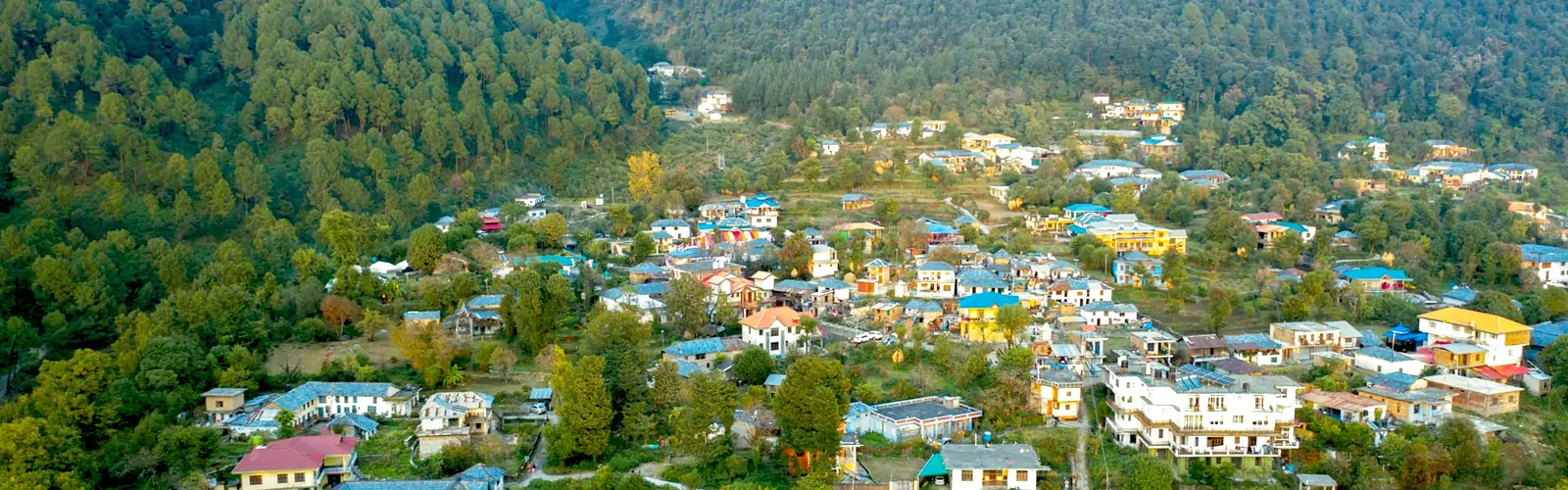
About Sirmaur
Sirmaur is a district where history, spirituality, and natural beauty come together.
- History of Sirmaur: Established in the 11th century, Sirmaur was ruled by the Rajput dynasty. Its fortresses and palaces still stand as reminders of its glorious past.
- Culture of Sirmaur: The district is popular for its colourful fairs like Magh Mela and Gandhi Mela, traditional folk music, and local cuisines such as Patande and Ainkulu.
- Geographical feature of Sirmaur: The Giri River divides the region into Giripar and Giriaar, while attractions like Churdhar Peak, Renuka Lake, and green forests enrich its scenic charm.
- Why Visit Sirmaur: With wildlife sanctuaries, trekking trails, temple and ancient forts, Sirmaur tourism attracts nature lovers, adventure enthusiast and spiritual travelers.
Top Tourists Places To Visit in Sirmaur
Renuka Lake
Bring the largest natural lake in Himachal Pradesh, Renuka Lake is named after Goddess Renuka and has deep religious importance. Surrounded by dense forests and misty hills, it is the best for boating, photography, and nature walks.
• Best Time to Visit: October–March
• Highlights: Mini zoo, wildlife sanctuary, boat rides, lakeside temples, scenic picnic spots
Suketi Fossil Park
Suketi Fossil Park, located in Suketi village, is an astounding window into prehistoric times. The park showcases fossils dating back 85 million years, together with real-size fiberglass models of dinosaurs and ancient reptiles.
• Best Time to Visit: October–March
• Entry Fee: ₹10–₹50
• Highlights: Fossils, life-size prehistoric models, educational trails, photography
Churdhar Peak
perched above 3,647 meters, Churdhar Peak is the highest point outside the main Himalayan range in Sirmaur. Trekking to this summit is tough but extremely rewarding, offering breathtaking panoramic views.
• Best Time to Visit: April–June, September–November
• Highlights: Trekking, sunrise and sunset views, high-altitude adventure.
Jaitak Fort
located atop the Jaitak Hills, Jaitak Fort is constructed from the ruins of Nahan Fort and reflects the valour and history of Rajput rulers. Surrounded by dense forests and rolling hills, it is an ideal place for history lovers and photographers seeking a blend of heritage and natural beauty.
• Best Time to Visit: October–March
• Highlights: Historical architecture, scenic viewpoints, and trekking paths
Trilokpur Temple
Trilokpur Temple is a significant pilgrimage destination dedicated to Goddess Durga. The temple invites many devotees from across the nation especially during festivals, when vibrant fairs, cultural performances, and devotional rituals creates an intense spiritual atmosphere.
• Best Time to Visit: All year
• highlights: Spiritual significance, festivals, and cultural fairs
Simbalbara National Park
Simbalbara National Park is a popular wildlife sanctuary in Sirmaur. Home to leopards, sambars, and numerous bird species, this park’s forested trails and trekking paths offers excellent opportunities for wildlife photography and eco-tourism experiences.
• Best Time to Visit: October–March
• Highlights: Wildlife safaris, forest trekking, and birdwatching
Top Things To Do In Sirmaur
Trekking at Churdhar Peak
Set off on a trek to the highest peak in Sirmaur. The 14 km trek offers dense forests, meadows, and sweeping Himalayan views.
- Duration: 6–8 hours
- Best Suited For: Adventure seekers
- Cost: Trekking guide charges apply
Boating at Renuka Lake
Enjoy tranquil boat rides across the serene waters of Renuka Lake. Mornings and evenings are the best for witnessing migratory birds.
- Duration: 1–2 hours
- Best Suited For: Families, couples, photographers
- Cost: ₹100–₹300 per person
Explore Suketi Fossil Park
Delve into ancient world with prehistoric fossils and models of extinct animals. A must-visit for children and history lovers.
- Duration: 2 hours
- Best Suited For: Families, school groups, explorers
- Cost: ₹10–₹50
Attend Local Fairs
Experience the cultural vibrancy Sirmaur’s at the Magh Mela, Gandhi Mela, or Beas Fair. These events highlights traditional music, feasts, and local crafts.
- Best Suited For: Culture seekers
Taste Local Cuisine
Enjoy lip-smacking foods like Patande (local pancakes), Halwa, and Ainkulu, a dish cooked in traditional stone pots. These flavors reflect the heritage and hospitality of Sirmaur.
Wildlife Safari at Simbalbara National Park
Witness wild animals and enjoy nature trails in this beautiful sanctuary.
- Duration: 3–4 hours
- Best Suited For: Wildlife lovers, photographers
Best Time To Visit Sirmaur
Peak Season
The busiesttourist season in Sirmaur is from April to June and September to November with temperatures ranging from 20°C to 32°C . The weather is pleasant, making the place a must-visit for sightseeing, trekking, and exploring attractions.
Shoulder Season
March and early December offer a mild climate with fewer tourists. During this period temperature ranges from 15°C to 28°C and can be slightly warm or cool depending on the location, but the scenic beauty of the hills and rivers stays at its best.
Monsoon Season
From July to September, Sirmaur experiences heavy rainfall with temperatures between 18°C and 25°C. The forests and waterfalls become lush and vibrant, which is perfect for nature photography. However, the frequent rains can make outdoor exploration challenging.
Clothing Recommendations:
- Peak Season (April - June, September - November): Light cotton clothing, comfortable shoes for trekking, and a light jacket for cooler mornings and evenings.
- Monsoon Season (July - September): Waterproof shoes, umbrellas, raincoats, and quick-dry clothing.
- Winter Season (December - February): Warm layers, sweaters, jackets, and comfortable walking shoes.
How To Reach Sirmaur?
By Air :
The nearest airport is Jolly Grant Airport, Dehradun, approximately 120 km away. From the airport, taxis and private cabs are available to reach Sirmaur comfortably.
By Rail :
The closest railway station is Dehradun Railway Station, well connected to Delhi, Chandigarh, and other major cities. From the station, private taxis, buses, or cabs can take you to Sirmaur district.
By Road :
Sirmaur is accessible via well-maintained state and national highways. Regular bus services and taxis operate from nearby cities such as Shimla, Dehradun, and Chandigarh. Self-drive options are also convenient for travelers looking to explore Renuka Lake, Trilokpur, or Churdhar Peak at their own pace.
Things To Know Before Visiting Sirmaur
- Respect Local Customs: Mandi is renowned for its abundant ancient temples and religious landmarks. Tourists must dress modestly before entering sacred areas, and should observe temple etiquette.
- Carry Cash: Mandi town and nearby tourist areas have ATMs and accept card payments. But remote areas like Barot, Jalori Pass, and some villages may have limited or no banking facilities. It’s better to carry enough cash for local markets, tiny eateries, and transport.
- Book Accommodations Early: Mandi invites many tourists during festivals, peak season (March to June), and weekends. It is suggested to book hotels, guesthouses, or homestays in advance to avoid last-minute hassles.
- Mobile Connectivity: Cellular networks work well in Mandi city and nearby towns. But in remote villages, mountain passes, and forested regions may have weak or no signal. Bring offline maps and GPS-enabled devices.


