
kinnaur-toursim

Kinnaur Tourism

Kinnaur tourism offers a breathtaking Himalayan experience, where majestic peaks, verdant valleys, and spiritual monasteries meld into a beautiful landscape. Renowned as the abode of Lord Shiva, Kinnaur is ideal for adventure seekers, nature lovers, and passionate travelers. With panoramic views of Jorkanden Peak and tranquil villages like Kalpa, Rakchham, and Ribba,Kinnaur Tours and Packages assures a rejuvenating and memorable journey.

Quick Stats

  • Population : ~84,000
  • Best time to Visit: April to October
  • Famous For:Kinnaur Kailash, Ribba, Kalpa monasteries, Baspa River, saffron farms

About Kinnaur

A unique blend of spirituality, culture, and scenic beauty can be seen in Kinnaur tourism.
History of Kinnaur - Known as the home of Shivan-Parvathi, this area is abundant in temples, monasteries, and ancient forts like Kamru Fort.
Geographical feature of Kinnaur - The region is primarily composed of the Baspa River, rhododendron and pine forests, high Himalayan peaks, and fertile valleys.

Kinnaur culture - Kinnaur culture is rich in Tibetan-influenced customs, festivals, and saffron cultivation.
Why visit Kinnaur: The adventure, trekking, spiritual exploration, and peaceful natural retreats make Kinnaur tours and travels an incredible experience.

Top Tourists Places To Visit in Kinnaur

Kalpa

Kalpa is one of the most charming towns in Kinnaur tourism, offering unparalleled views of the Kinnaur Kailash range. The town is teemed with historical monasteries and temples that showcase Tibetan and Hindu influences. A trek to Chakka Point, with 3 hour journey is a must-visit for adventure seekers.

  • Best time to visit: April-October.
  • Highlights: Trekking trails, scenic landscapes, and spiritual vibes.

Reckong Peo

The bustling town of Reckong Peo, often known as Peo, is the commercial and governmental hotspot of Kinnaur. Beyond just a marketplace, it is the spiritual hub to the sacred Shivalinga rock pillar, an 80-foot-tall natural formation. The sunrise views here are stunning, with the sun casting golden hues over the Himalayan ranges.

  • Best time to visit: April-September.
  • Highlights: Morning vistas, local markets, and cultural centers.

Ribba Village

Located amidst serene surroundings, Ribba Village is a tranquil escape renowned for its astounding view of Jorkanden Peak, which elevated to 6,473 meters. The village is ample in apricot orchards and is also popular for vineyards brewing local wines.

  • .Best time to visit: May-October.
  • Highlights: Quiet landscapes, apricots, and local wine culture.

Nako Village & Lake

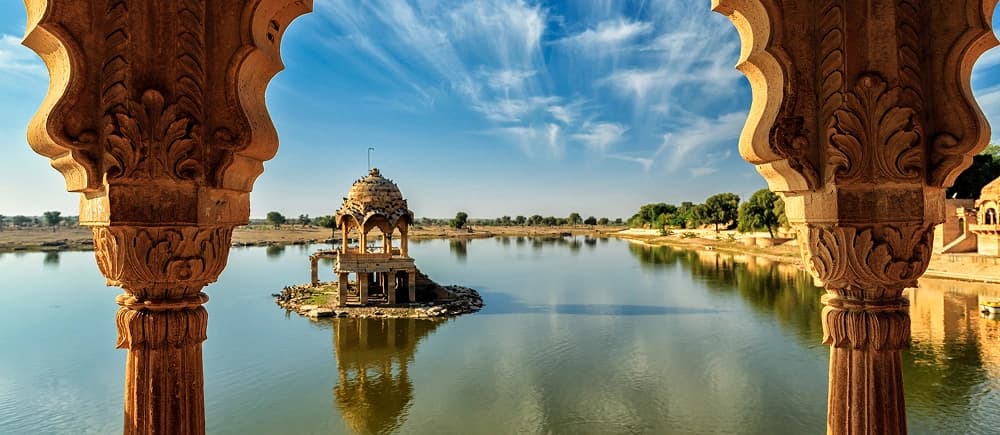
Situated high in the Himalayas, Nako Village is something out of a fairytale. This 11th-century settlement is popular for its picturesque Nako Lake, which reflects the snow-capped mountains around it. The village is also home to ancient Buddhist monasteries and stupas.

  • Best time to visit: April-October.
  • Highlights: Monasteries, heritage trails, and serene lake views.

Nichar

Nichar is the green paradise of Kinnaur. Renowned for its lush landscapes, it is home to rare wildlife, including gorals, antelopes, and even red and brown bears. This place is highly recommended for nature lovers.

  • Best time to visit: May-September.
  • Highlights: Spotting wild animals and enjoying unspoiled nature.

Lipa-Asrang Wildlife Sanctuary

The Lipa-Asrang Wildlife Sanctuary is a protected area that guards some of the most unique flora and fauna of Himachal Pradesh. Entry to this area is limited and needs prior permission.

  • Best time to visit: May-October.
  • Highlights: Restricted but rewarding visits, rare wildlife sightings, conservation experiences.

Top Things To Do In Kinnaur

Trekking

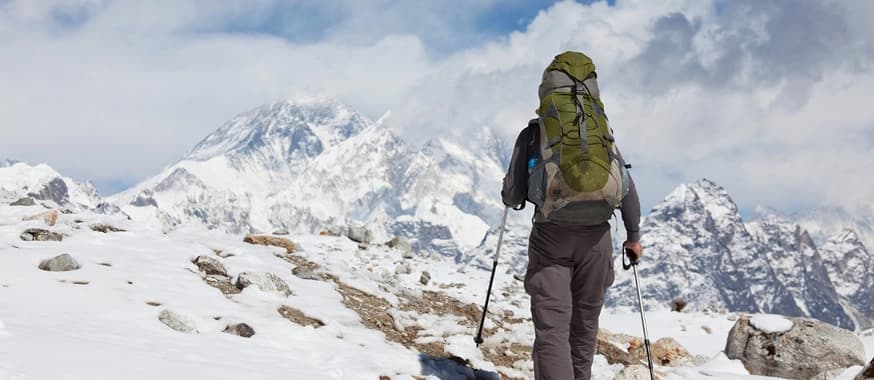
Kinnaur is a haven for trekkers with beautiful routes like the Chakka Point trek, the popular Sangla to Chitkul trail, and scenic walks in the Baspa Valley.

  • Best suited for: Adventure seekers and nature enthusiasts
  • Duration: 3-5 hours
  • Approx. Cost: ₹1,000-₹2,500 per trek (with local guide)

Apple Orchard Tours

Kalpa is called as the “apple bowl of Himachal.” Tourists can walk through sprawling orchards, connect with farmers, and enjoy freshly plucked apples.

  • Best suited for: Families, couples, and cultural explorers
  • Duration: 2-3 hours
  • Approx. Cost: ₹200-₹500 per person

Wildlife Spotting at Nichar

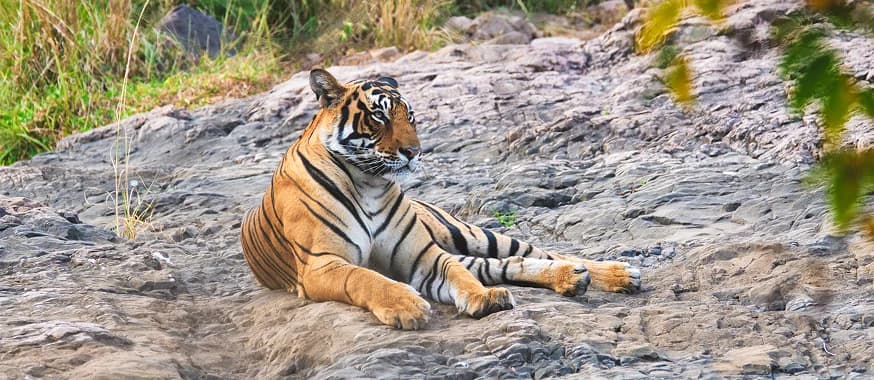
Nichar is a paradise to rare Himalayan wildlife such as gorals, antelopes, and red/brown bears. Guided tours allows tourists deep into forested trails where the rich biodiversity of Kinnaur comes alive.

  • Duration: Half-day excursion
  • Approx. Cost: ₹1,500-₹2,500 per guided wildlife tour

Lake Exploration

The picturesque Nako Lake enchanted by mountains and Buddhist monasteries, is ideal for meditation, boating. Its pristine waters reflects the sky, creating magical views.

  • Best suited for: Families, solo travelers, and photographers
  • Duration: 1-2 hours
  • Approx. Cost: ₹200-₹400 per person (boating)

Temple and Monastery Visits

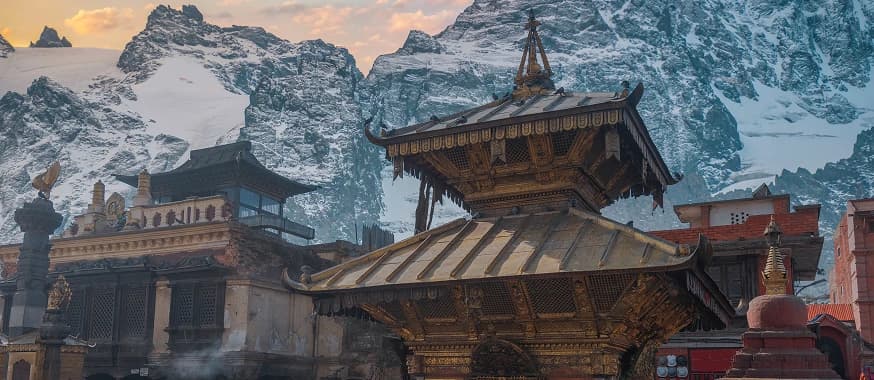
Kinnaur is very rich in spirituality with revered spiritual sites like Mathi Temple, Narayan Nagini Temple, and centuries-old monasteries in Kalpa and Nako. These sites highlights the region’s deep-rooted mix of Hindu and Buddhist traditions.

  • Best suited for: Spiritual seekers
  • Duration: 2-3 hours

Best Time To Visit Kinnaur

Peak Season (April-June)

The best time to visit Kinnaur is during the April-June. This period is ideal for trekking, sightseeing, and exploring the villages. The weather remains pleasant, with temperatures between 10°C and 20°C.

Shoulder Season (March, July-September)

For tourists seeking tranquil setting and minimal crowds, these months are the best. The temperature is refreshing, ranging from 5°C to 15°C. The valleys are made more enchanting by occasional rains, but they can make outdoor activities difficult.

Winter (December-February)
Heavy snowfall cover up villages and mountains in Kinnaur. The temperatures can drop below 0°C. Keep in mind that most tourist attractions are closed.

Clothing Recommendations

  • Peak Season: Carry thermals, light jackets, and sturdy trekking shoes. Days are pleasant, but nights can get chilly.
  • Shoulder Season: Pack light jackets, woolens, and rain gear, as weather shifts between cool and rainy.
  • Winter: Essential gear includes heavy woolens, insulated jackets, gloves, mufflers, and snow boots. Layering is a must to withstand sub-zero temperatures.

How To Reach Kinnaur?

By Air :

Jubbarhatti Airport in Shimla, which is 250 kilometers from Kinnaur, is the nearest airport. From there tourists can visit Kalpa, Sangla, and other towns by state-run buses or by hiring taxis.

By Rail :

A picturesque toy train connects Kalka to Shimla, the nearest railway junction. You can journey to Kalka by train from Delhi, and then on to Shimla and Kinnaur.

By Road :

NH 5 and NH 505 offers excellent access to Kinnaur and one of the most scenic drives in the Himalayas. From Shimla, Rampur, and Chandigarh, there are HRTC-run buses, private taxis, and self-drive options.

Things To Know Before Visiting Kinnaur

  • As Kinnaur has great spiritual importance always respect local customs and traditions while visiting temples and monasteries.
  • Carry sufficient cash on hand as internet transactions might not always be available and there aren't many ATMs in rural areas.
  • In mountain villages like Nako and Rakchham, mobile connectivity is poor, so download offline maps.
  • Though the roads along NH 5 and NH 505 are scenic they are narrow, winding and occasionally prone to landslides; spend additional time for travel.
  • Due to high demand, ensure to book your accommodations in advance if you are visiting Kinnaur in peak season.

FAQs:

The best time to visit Kinnaur is between April and October, when the weather is gentle, roads are clear and trekking paths are easily accessible. April-June offers clear skies and blooming orchards, while July-September may bring mild rainfall. Winter months (December-February) are very cold with heavy snowfall, making travelling difficult.

To experience Kinnaur’s beauty fully, 5-7 days are recommended. This helps to explore Kalpa, Reckong Peo, Nako, Ribba, and Rakchham comfortably at your own pace. Trekking, village walks, temple visits, and wildlife safaris can be included without hassle. Adventure lovers can spend additional days of their tour to visit Baspa Valley trails or remote sanctuaries.

Ofcourse, Kinnaur is basically safe for travelers. Main towns and tourist places like Kalpa, Reckong Peo, and Sangla are well-maintained and monitored. But, tourists must take safety precautions, avoid isolated spots after dark, keep belongings safe, and adhere to local rules in wildlife sanctuaries. Roads can be narrow and steep, so cautious driving or hiring local guides is strictly recommended for a secure and enjoyable excursion.

Absolutely yes! Kinnaur is regarded safe for solo and female travelers. Famous villages, trekking trails and temples are safe, and locals are very friendly. It is advised to stay in well-reviewed homestays or hotels, dress modestly at religious landmarks, and stick only to popular. Group tours, guided treks, and local transport choices enhance safety while making travelers to experience Kinnaur’s natural beauty and culture.

Packing is based on the season. For April-June, pack light layers, jackets, trekking shoes, and sunglasses. During July-September, carry rain gear and quick-dry clothing. In winter (December-February), pack heavy woolens, gloves, insulated jackets and thermal layers. Essentials like sunscreen, hats, trekking poles, and first-aid kits are recommended. Comfortable clothing, warm footwear, and a camera will give a hassle-free travel experience.

Kalpa and Sangla are perfect for tourists wishing scenic views, apple orchards, and easy access to trekking routes. Reckong Peo provide bustling markets and civic amenities. Nako and Rakchham offer peaceful stays for cultural immersion. Options include luxury resorts, homestays, and boutique hotels. Based on your choices —nature, adventure, or cultural experiences.

Public transport such as buses and taxis link major towns, but a rental car or self-drive vehicle is highly recommended for adaptability. Many trekking trails, villages, and scenic viewpoints are off the main roads. Driving enables tourists to pause for photography, explore offbeat places and spend time efficiently.

The closest airport to Kinnaur is Shimla’s Jubbarhatti Airport, approximately 250 km from Kalpa and other major towns. From the airport, taxis and buses are available to reach the major Kinnaur destinations. The duration of the journey is 8-10 hours by road based on traffic and weather. Tourists are suggested to plan ahead, keeping in mind the mountain roads and occasional road delays natural calamities.

Kinnaur offers varieties of accommodations to suit different travelers. Choices include luxury resorts, boutique hotels, cozy homestays, eco-lodges, and budget guesthouses. Kalpa, Sangla, and Reckong Peo have most facilities, while remote villages like Nako and Rakchham concentrate on homestays and eco-tourism. Travelers can select based on comfort, budget, or immersive experiences but advance booking is recommended for peak season stays.

During peak season (April-June), it’s suggested to book accommodations 1-2 months in advance to book preferred hotels, homestays, or resorts. For Mid-season (July-September), booking 2-3 weeks prior is usually sufficient. Off-season travel enables more adaptability but options in remote villages may still be minimal. Advance booking assures scenic views, guided services, and seamless stays in popular.

Kinnaur’s cuisine is a blend of Himachali and Tibetan flavors. Must-try dishes include sidu (steamed bread), thukpa (noodle soup), trout fish, and rajma with rice. Seasonal fruits like apples and apricots are commonly used in desserts and preserves. Local dairy products, traditional breads, and pickles enrich the meals. Homestays often offer authentic recipes, providing travelers a true taste of Kinnaur’s culinary heritage alongside mesmerizing mountain views.

ATMs and card facilities are available in main areas like Reckong Peo, Kalpa, and Sangla. Some villages like Nako and Rakchham may rely only on cash Tourists are advised to carry maximum cash for remote excursions, local markets, and homestays. While mobile banking is expanding, internet connectivity may be weak in high-altitude areas. Cash ensures seamless purchases without interruptions.