lahaul-spiti-toursim

Lahaul Spiti Valley City Tourism

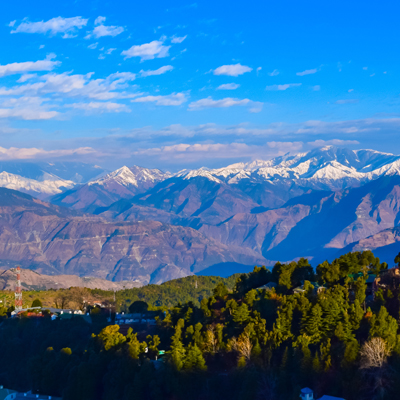
Lahaul Spiti Valley, the home of Buddhism, where families stay amid the grandeur of nature is spread across 13,833 sq km and located at an elevation of around 4,278 meters. With rivers gathering at foothills, Lahaul Spiti tourism promises a memorable journey. From the glistening Nako village and monasteries to the lush Sissu town, this valley gifts both peace and adventure.

Quick Stats

  • Population :Less than 200 per small village
  • Best time to Visit:March to June
  • Famous For:Buddhist monasteries, Chandra Taal, Pin Valley National Park, Pattan Valley trekking

About Lahaul Spiti

Lahaul Spiti is a place where adventure, culture, and nature come together
History - renowned for its monasteries, traditional Tibetan culture, and Buddhist heritage.
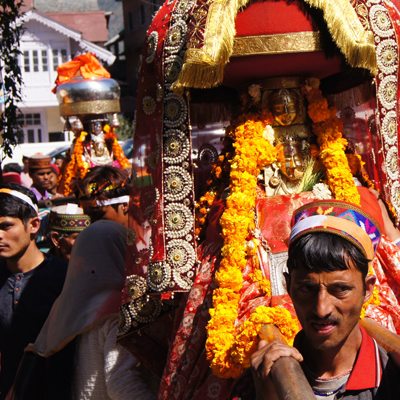
Culture - Buddhist rites, regional celebrations, and Tibetan customs are all represented in the valley.
Geography - while Lahaul stays verdant throughout the year with rivers like the Chenab (Chandrabhaga) River, Spiti is covered in snow in the winter.

Why visit Lahaul Spiti - Lahaul Spiti is ideal for trekking, sightseeing, monastery tours, and resting in the midst of pristine landscapes for adventurers, nature lovers

Top Tourists Places To Visit in Lahaul Spiti

Chandra Taal

A mesmerizing crescent-shaped lake perched at an altitude of 4,300 meters, Chandra Taal is best for camping and trekking. Snow-covered peaks enchant the lake, highlighting the serene waters. It's an ideal spot for photography.

  • Highlights: Moon-shaped lake, serene atmosphere, camping, trekking
  • Best Time to Visit: April to June (Best time to visit Lahaul Spiti)

Suraj Tal

Located near Baralacha La at 4,883 meters, Suraj Tal is the second-highest lake in India. The turquoise waters amidst majestic mountains turn it into a photographer's paradise. Visitors can trek in the trails nearby.

  • Highlights: Alpine lake, trekking, photography
  • Best Time to Visit: April to June

Sissu Waterfall

Sissu Waterfall, plunging from the peak near Sissu village, is a picturesque destination. Enveloped by verdant meadows and rocky cliffs, this waterfall is perfect for short treks and family outings.

  • Highlights: Scenic waterfall, easy trek, picnic spot
  • Best Time to Visit: April to June

Pin Valley National Park

A highland wildlife sanctuary, haven to snow leopards, Himalayan ibex, and Himalayan brown bears. The park features trekking trails and leisurely walks, making it suitable for wildlife photographers.

  • Highlights: Wildlife spotting, trekking, photography
  • Best Time to Visit: April to June
  • Temperature: 10°C-20°C
  • Entry Fee: Paid, prior permission required

Tabo Monastery

Renowned as the “Ajanta of the Himalayas,” Tabo Monastery is 1,000 years old. The murals and Buddhist architecture provide a window into the spiritual history of the region. Visitors can participate in rituals and tour the monastery museum.

  • Highlights: Ancient murals, architecture, spiritual tours
  • Best Time to Visit: April to June
  • Entry Fee: Free

Dhankar Gompa

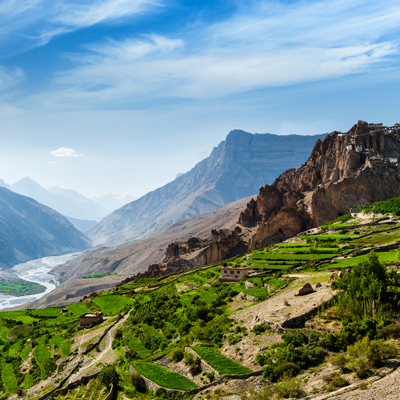
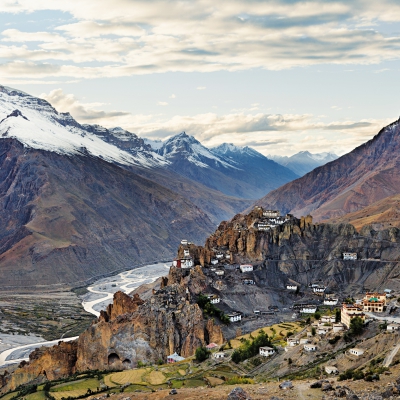
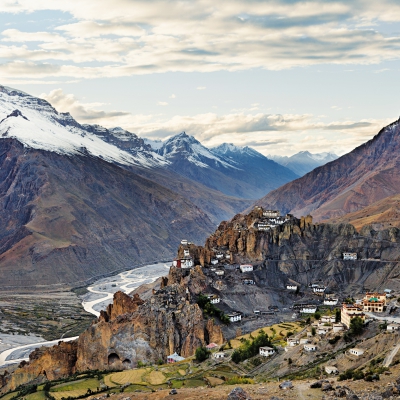
Situated atop a cliff facing the Spiti Valley, Dhankar Gompa provides stunning views and rich Buddhist heritage. An accessible trek takes you to the monastery, making it an enriching visit for adventure and culture lovers.

  • Highlights: Cliff-top monastery, trekking, photography
  • Best Time to Visit: April to June
  • Temperature: 10°C-20°C
  • Entry Fee: Paid

Kardang Monastery

Kardang Monastery, near Keylong, is one of the oldest monasteries in Lahaul. Visitors can witness Tibetan Buddhist rituals and interact with monks, gaining insights into local traditions.

  • Highlights: Buddhist culture, rituals, heritage
  • Best Time to Visit: April to June
  • Temperature: 10°C-20°C

Top Things To Do In Lahaul Spiti

Trekking

Explore trails around Spiti Valley, Pattan Valley, and high passes. Trekking offers spectacular views of mountains, valleys, and villages.

  • Duration: 3-5 hours or multi-day treks
  • Best Suited For: Adventure seekers, nature enthusiasts, photographers
  • Cost: Guide charges vary

Camping

Overnight camping at Chandra Taal or Sissu Valley is an experience not to miss. Starry skies and mountain air make it unforgettable.

  • Duration: 1-2 nights
  • Best Suited For: Solo travelers, families, adventure lovers
  • Cost: minimal camping permits

Monastery Visits

Visit Tabo, Dhankar, and Kardang monasteries for spiritual exploration and cultural insights.

  • Duration: 1-2 hours per monastery
  • Best Suited For: Culture seekers, photographers, spiritual travelers

River Rafting & Adventure Sports

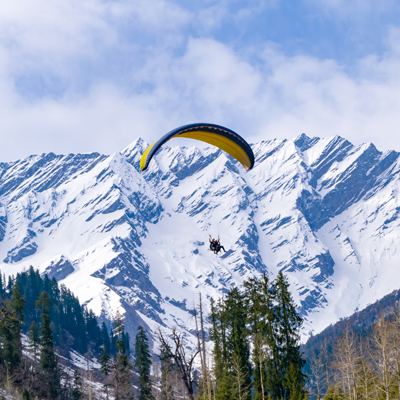
Chandra and Chenab Rivers offer thrilling rafting and adventure opportunities. Safety measures and guides ensure enjoyable experiences.

  • Duration: 2-3 hours
  • Cost: ₹150-₹500 per person

Local Cuisine Tasting

Sample traditional Tibetan dishes like Mokthuk, Thenkthuk, barley-based meals, and Chaang at local eateries or homestays.

  • Best Suited For: Food lovers, culture enthusiasts

Best Time To Visit Lahaul Spiti

Peak season -

Peak season: April - June are the ideal months to visit Lahaul Spiti because there isn't much snow in the area. Temperatures between 10°C and 20°C are ideal for trekking, sightseeing, camping, and visiting monasteries and high-altitude lakes.

Shoulder season

For tourists who want a more tranquil experience, March and July are ideal because they have fewer crowds. There may be occasional snowfall in March or rain in July, but the temperature stays cool.

Winter season -

Temperatures drop below 0°C from December to February. Travel is difficult because of the heavy snowfall. Many high-altitude passes and roads may be closed. This season is recommended only for seasoned tourists or thrill-seekers.

Clothing Recommendations:

  • Peak Season (April–June): Light thermal layers, jackets, trekking shoes, and warm evening wear.
  • Shoulder Season (March & July): Layered clothing, light jackets, sturdy trekking shoes, and rain protection if visiting in July.
  • Winter (December–February): Heavy woolens, insulated jackets, gloves, woollen caps, and thermal wear. High-altitude trekking boots are essential for snow.

How To Reach Lahaul Spiti?

By Air :

Bhuntar Airport (Kullu-Manali) is the closest airport to Lahaul Spiti (200 Km). Private buses and taxis are available from the airport for further transportation.

By Rail :

There is no direct railway connection to Lahaul Spiti. The nearest train stations are as follows - Jogindhernagar Railway Station (about 200 km away),Shimla Railway Station (about 220 km away).Chandigarh Railway Station (about 400 km away) From these stations, tourists can take taxis, buses to reach Lahaul Spiti 

By Road :

Lahaul Spiti is easily accessible by beautiful mountain roads, primarily NH 3, NH 5, and NH 505. Rohtang Pass (NH 3): This daring route connects Manali and Keylong and provides breathtaking views of alpine meadows and snow-capped mountains.

Things To Know Before Visiting Lahaul Spiti

Respect Culture -

Tibetan and Himachali customs enhance Lahaul Spiti tourism. When visiting villages, temples, or monasteries, wear modest clothing and maintain discipline.

Carry Cash

Towns like Keylong, Kaza, and Sissu have ATMs and take credit cards but isolated villages and trekking routes only accept cash so carry sufficient cash for eco-tourist activities, small businesses, and neighbourhood restaurants.

Mobile Connectivity

High-altitude passes, isolated valleys, and trekking routes may have poor mobile connectivity. Hence when traveling in Lahaul Spiti download offline maps or GPS devices.

Safety and Health

Travelers may suffer from mild altitude sickness due to the high altitude. Avoid strenuous activity at first, stay hydrated, and acclimate at lower elevations. Carry first aid supplies and prescription drugs and seek advice from local guides.

Planning and Scheduling Travel

Accommodations and guided tours may be completely booked from April to June. (Peak season) booking in advance gives you access to lakes, monasteries, and guided treks, which improves your Lahaul Spiti tourism experience.

FAQs:

The best time to visit Lahaul Spiti is from April to June when roads are accessible, snow is minimal, and temperatures range between 10°C and 20°C. This period is ideal for trekking, sightseeing, and exploring monasteries, lakes, and valleys. The shoulder months of March and July also offer fewer crowds and stunning landscapes, though occasional snowfall or rain may occur.

A 5–7 day itinerary is recommended to fully enjoy Lahaul Spiti tourism. Travelers can explore Chandra Taal, Suraj Tal, Spiti Valley villages, and monasteries, along with trekking and adventure activities. Extra days allow visits to remote valleys, high-altitude lakes, and waterfalls, ensuring a complete Lahaul Spiti tours and travels experience, including photography and cultural exploration.

Yes, Lahaul Spiti is generally safe for tourists. Most popular towns, trekking routes, and monasteries are well-maintained. Travelers should follow standard precautions like securing belongings, avoiding isolated areas at night, and hiring local guides for remote locations. Friendly locals and monitored tourist spots make Lahaul Spiti tourism comfortable for families, couples, and adventure seekers alike.

Yes, solo and female travelers can safely enjoy Lahaul Spiti tourism. Stick to main towns like Kaza, Keylong, and Sissu, hire local guides, and choose well-reviewed hotels or homestays. Avoid isolated areas at night, follow monastery rules, and respect local customs. Guided tours enhance safety while allowing cultural and scenic exploration in Lahaul Spiti tours and travels.

Packing for Lahaul Spiti tours and travels depends on the season. For peak season, bring thermal layers, jackets, trekking shoes, and warm evening wear. Shoulder season requires light jackets and rain protection, while winter demands heavy woolens, insulated jackets, gloves, and boots. Sunglasses, sunscreen, water bottles, and trekking poles are also essential for a comfortable Lahaul Spiti tourism experience.

Keylong, Sissu, Nako, and Kaza are ideal for Lahaul Spiti tourism accommodations. Keylong is centrally located, Sissu offers scenic views, Nako provides lakeside and monastery stays, and Kaza is perfect for exploring Spiti Valley. Options include hotels, homestays, eco-lodges, and guesthouses. Early bookings ensure the best rates and prime locations for Lahaul Spiti tours and travels.

Public transport in Lahaul Spiti is limited. Renting a car or taxi is recommended for flexibility, early sightseeing, and offbeat exploration. Roads like NH 3, NH 5, and NH 505 connect major towns. Self-driving allows stops at monasteries, lakes, and waterfalls, enhancing your Lahaul Spiti tours and travels experience. Local taxis or guided tours improve access to remote areas.

The nearest airport is Bhuntar Airport (Kullu-Manali), approximately 200 km from Keylong. Travel time is around 6–7 hours via NH 3, passing through scenic valleys and villages. Taxis, rental cars, and buses are available for onward travel. This airport serves as the main entry point for Lahaul Spiti tourism and organized tours and packages in the region.

Lahaul Spiti tourism offers hotels, guesthouses, homestays, and eco-lodges. Luxury resorts are limited, but boutique stays and cozy homestays provide mountain, river, and monastery views. Budget travelers can find affordable options in Keylong, Sissu, Nako, and Kaza. These accommodations cater to families, adventure enthusiasts, and cultural explorers seeking immersive Lahaul Spiti tours and travels experiences.

During peak season (April to June), book accommodations 1–2 months in advance to secure preferred stays. In the shoulder season or off-season, bookings can be made closer to travel dates, though options in remote villages may be limited. Early booking ensures prime locations near lakes, monasteries, and trekking trails for a smooth Lahaul Spiti tourism experience.

The local cuisine of Lahaul Spiti reflects Tibetan and Himachali influences. Popular dishes include Thentuk, Momos, barley-based meals, and local breads. Traditional beverages like Chaang are common in high-altitude villages. Homestays and local eateries provide authentic flavors, giving travelers a taste of local culture while trekking or exploring valleys during Lahaul Spiti tours and travels.

ATMs and card payments are limited to towns like Keylong, Sissu, and Kaza. Remote villages and trekking areas rely on cash, so carrying sufficient Indian Rupees is essential. Digital payments may work in urban centers, but cash ensures smooth transactions. Travelers should plan ahead for offbeat trekking routes, monasteries, and local markets in Lahaul Spiti tourism.