
kaila-devi-wildlife-sanctuary

Kaila Devi Wildlife Sanctuary

Kaila Devi Wildlife Sanctuary - Karauli, Rajasthan - Travel Guide & Activities

Step into the rugged, hilly terrain of the Kaila Devi Wildlife Sanctuary, a vital green extension of Ranthambore, where ancient forests meet dramatic gorges. The sanctuary offers thrilling safaris and a glimpse into Rajasthan’s wild spirit, all under the watchful presence of the sacred Kaila Devi Temple. Book Your Adventure Now! Explore Tailored Travel Packages

About Kaila Devi Wildlife Sanctuary

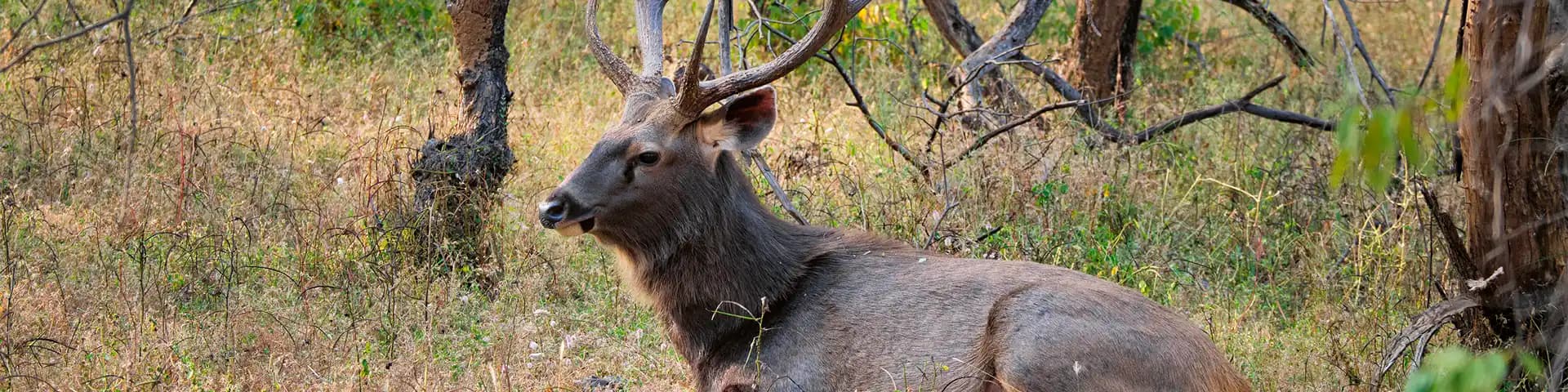
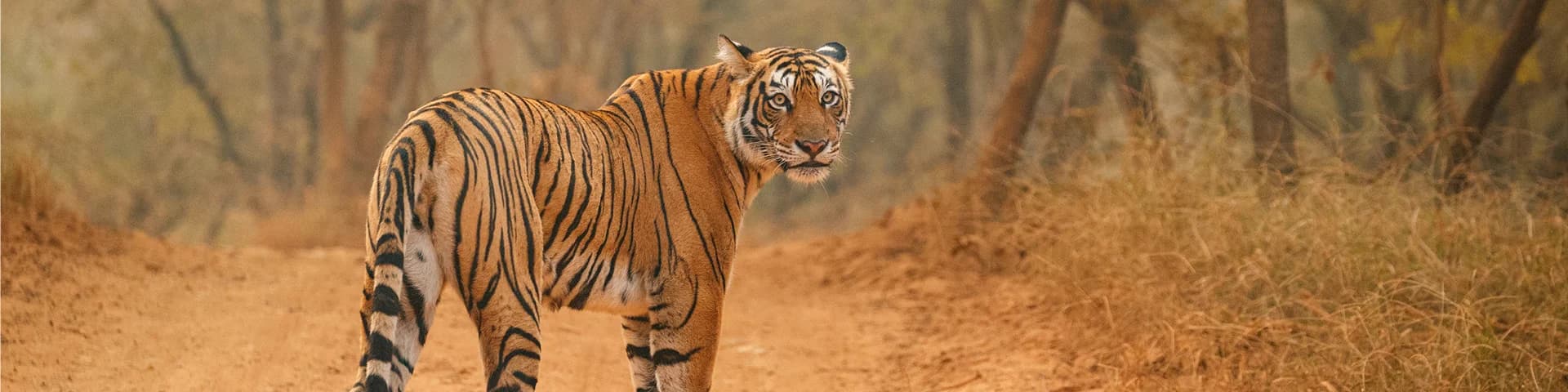
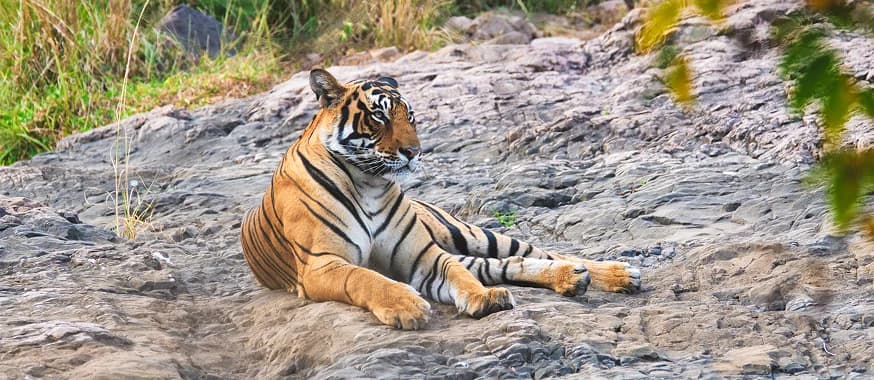
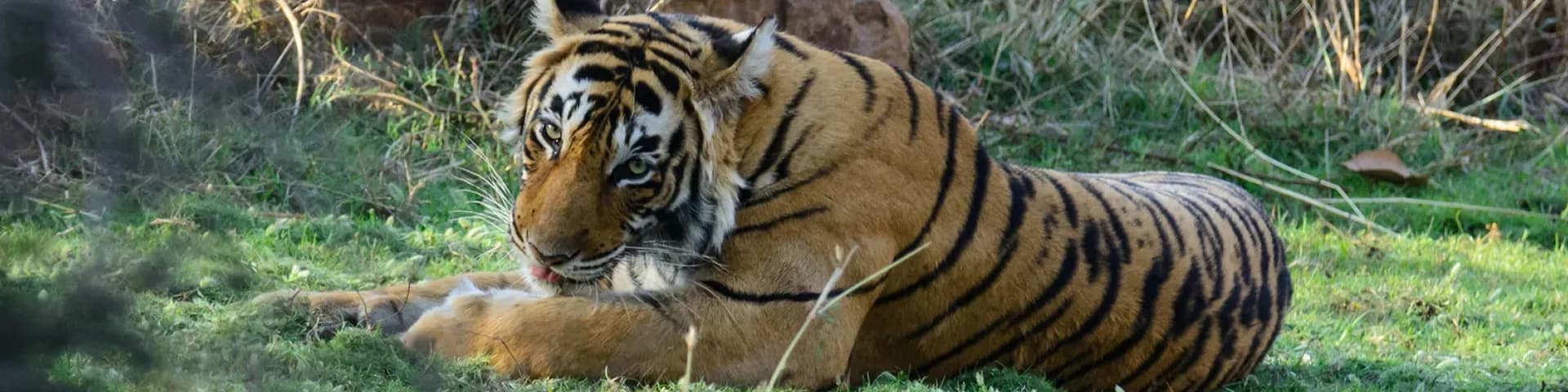
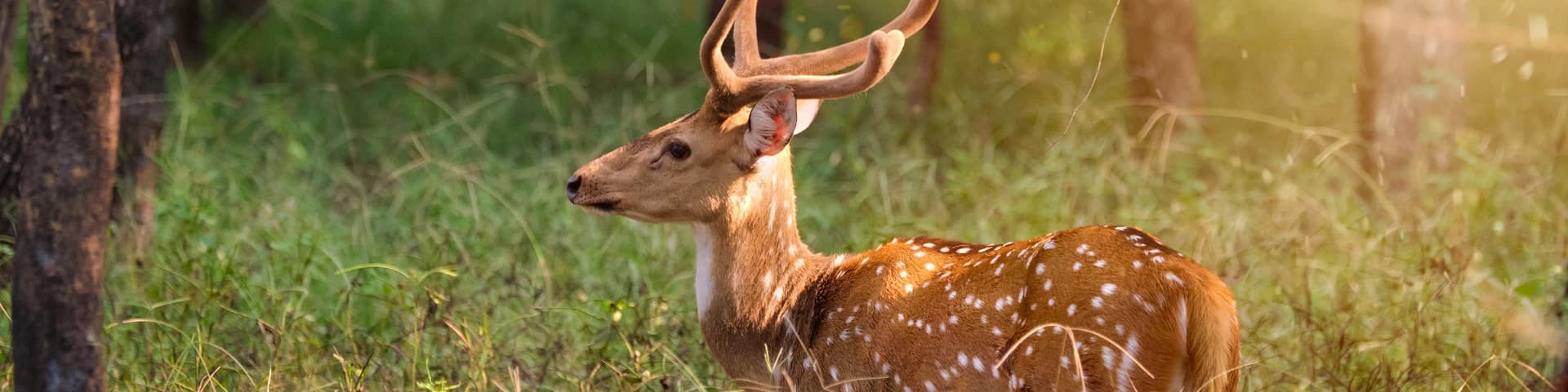
Located in Rajasthan’s Karauli district, Kaila Devi Wildlife Sanctuary showcases rugged hills, winding river canyons, lush monsoon waterfalls, and dense woodlands, creating a stunning natural setting perfect for those seeking serenity and adventure. It is home to diverse flora and fauna, including leopards, sloth bears, Indian wolves, striped hyenas, nilgai, and numerous bird species. As a crucial tiger corridor connecting Ranthambore National Park with the Chambal region, it serves as an important habitat for transient tigers and other large mammals.

The presence of the historic Kaila Devi Temple allows visitors to combine a wildlife experience with spiritual tourism and local cultural interaction.

Attractions of Kaila Devi Wildlife Sanctuary

Kaila Devi Wildlife Sanctuary, a vital part of the Ranthambore Tiger Reserve, offers a blend of natural beauty, diverse wildlife, and historical sites. Major attractions include the revered Kaila Devi Temple, wildlife safaris, and nearby historic forts.

Kaila Devi Temple

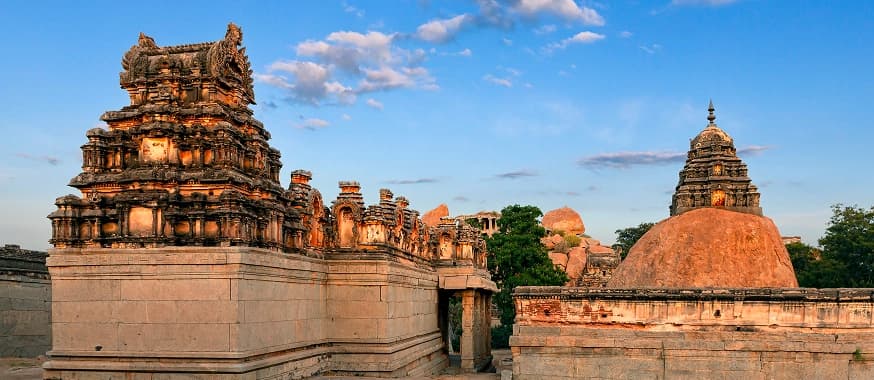
This prominent religious site is located within the sanctuary, on the banks of the Kalisil River in the Trikut Hills. It is a major Hindu pilgrimage destination and is considered one of the nine Shakti Peethas. An annual fair held here attracts millions of pilgrims.

The temple can be visited year-round, with major fairs in February-April and September-October.

Wildlife Safari and Bird Watching

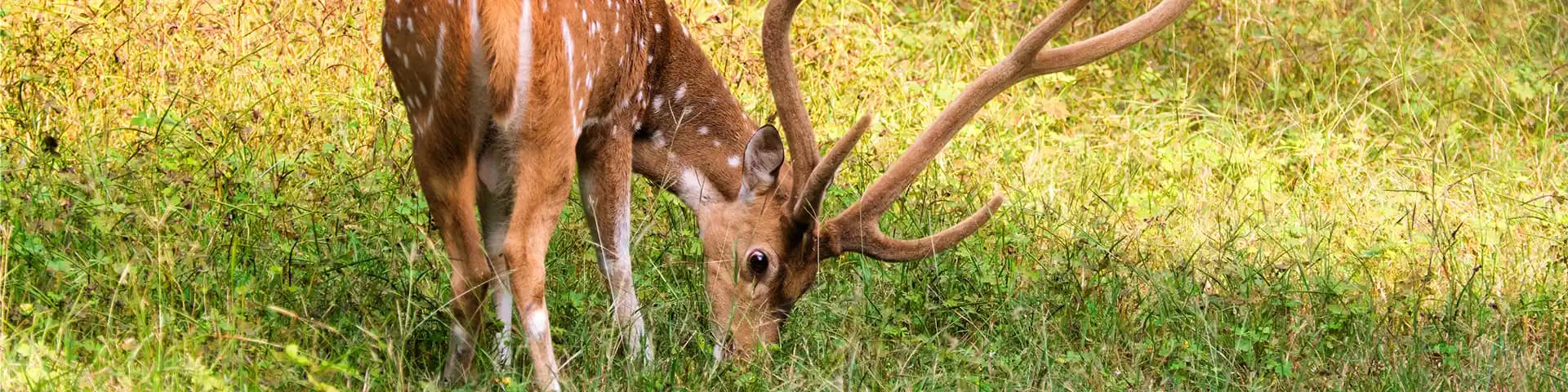
The sanctuary’s dense dry deciduous forests and rugged terrain support a rich variety of flora and fauna. Jeep safaris allow visitors to explore the wilderness, where species such as nilgai (blue bull), chinkara (Indian gazelle), jackals, leopards, and sloth bears are commonly observed.

The sanctuary is also a paradise for birdwatchers, with over 200 recorded species, including kingfishers and sandpipers. The period from October to March offers the most pleasant weather for outdoor activities and wildlife viewing.

Entry fees: ₹50 for Indian nationals and ₹300 for foreign nationals (safari charges are additional).

Kailadevi Lake

Situated close to the Kaila Devi Temple, the peaceful lake sits amid lush greenery and rolling hills, making it a picturesque spot perfect for unwinding, reflecting, capturing landscape photos, and observing birds. The lake can be visited year-round but is especially picturesque after the monsoon season when the surroundings become verdant.

City Palace of Karauli

Situated a short drive from the sanctuary, this historical palace reflects the region’s royal heritage through its intricate stone carvings, frescoes, and traditional architecture.
The terrace offers a stunning view of Karauli town and the Bhadrawati River.

A nominal entry fee (approximately ₹100) may be charged.

Timangarh Fort

Located about 40 km from Karauli, Timangarh Fort dates to around 1100 AD. It contains ancient ashtadhatu (eight-metal) statues, stone carvings of mythological deities, and artifacts that reflect India’s early royal history. A nominal entry fee (approximately ₹50) may be charged.

Kudka Waterfall

Kudka Waterfall is a natural attraction located within a reasonable distance of the sanctuary. The waterfall is especially vibrant during the monsoon season (July–September), offering excellent scenic and photographic opportunities.

Best Time to Visit Kaila Devi Wildlife Sanctuary

The best time to visit for optimal weather and wildlife viewing is October to March, when temperatures are cool and outdoor activities are most enjoyable. Although the sanctuary remains open year-round, summers (April–June) are extremely hot, and monsoons (June–September) bring heavy rainfall. Below are activity-based recommendations:

Wildlife Jeep Safari 

  • Timings: Generally open from 10:00 a.m. to 5:00 p.m.
  • Experience: A guided 2–3 hour open-vehicle safari through hilly terrain, river gorges, and dry deciduous forests.
  • Ideal for: Wildlife enthusiasts, photographers, and families.
  • Best time: Early mornings and late afternoons for maximum animal sightings.
  • Note: Safari timings may vary by season or operator; advance booking is recommended.

Bird Watching

  • Best season: October to March, when both resident and migratory birds can be observed.
  • Ideal for: Ornithologists, photographers, and nature lovers.
  • Recommendation: Early mornings offer the best viewing opportunities; binoculars are highly recommended.

Trekking and Walking

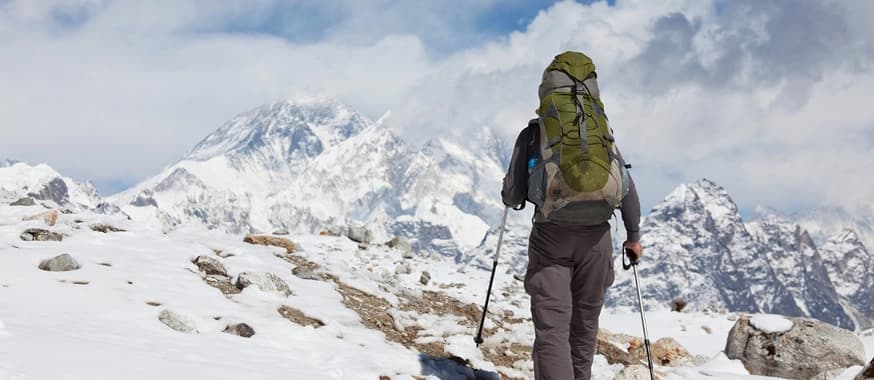
Exploring the sanctuary's trails and rugged terrain on foot to appreciate the rich flora, including medicinal plants, shrubs, and trees, and enjoying scenic views of the landscape.

  • Duration: Ranges from a few hours to a full day depending on the trail.
  • Best season: October to March.
  • Cost: Entry fee only; guides may be hired for additional insight and navigation.

Attending the Annual Kaila Devi Fair

This vibrant, fortnight-long fair is held annually at the Kaila Devi Temple, attracting thousands of pilgrims. It is a significant cultural and spiritual event featuring local performances, bazaars, and ceremonies.

  • When: During the Hindu month of Chaitra (March–April).
  • Ideal for: Visitors interested in cultural traditions and community events.

It is advisable to check weather conditions and book accommodations and guides in advance, especially during peak seasons.

Activities in Kaila Devi Wildlife Sanctuary

Popular activities include jeep safaris, exploring river canyons and waterfalls, birdwatching, hiking, trekking, camping, and visiting ancient forts. These experiences blend wildlife, natural beauty, and cultural heritage near the significant Kaila Devi Temple.

Wildlife & Nature Activities

Jeep Safaris, Bird Watching, Hiking & Trekking, Camping, Sightseeing & Culture

River Canyons & Waterfalls, Ancient Forts, Kaila Devi Temple

Tips for Visitors

  • Plan: Amenities inside the sanctuary are limited. Carry adequate food, water, and snacks.
  • Duration: Allocate 2–3 hours for general exploration; longer if planning camping or extended treks.


How to Reach Kaila Devi Wildlife Sanctuary

The Rajasthan State Road Transport Corporation (RSRTC) and private operators run frequent buses from cities like Jaipur, Kota, Bharatpur, and Delhi to the nearby towns of Karauli, Hindaun City, and Gangapur City.

The sanctuary is located about 25 km from Karauli and is accessible via well-maintained roads. It lies approximately 160–170 km from Jaipur, reachable via NH21 or NH48. The drive from Jaipur typically takes 3–4 hours

Key nearby distances by road:

  • Karauli: 23 km
  • Hindaun City: 53 km
  • Bharatpur: 90 km
  • Agra: 225 km
  • Delhi: 325 km 

These distances help determine the nearest airports, railway stations, and road routes for reaching Kaila Devi Wildlife Sanctuary from major cities.

FAQs :

Winter (October–March) is considered ideal due to its comfortable temperatures and clear skies, making it suitable for jeep safaris, trekking, camping, and birdwatching. The monsoon season (July–September) is favourable for nature photography, as the sanctuary becomes lush and green with seasonal waterfalls. Summer (April–June) is suitable for dedicated wildlife enthusiasts because animals gather near water sources, although the weather is extremely hot.
Kaila Devi Wildlife Sanctuary is generally safe and well-liked by visitors, offering guided jeep safaris, treks, and nature walks. Still, visitors should follow essential wildlife precautions—stay aware of your surroundings and remain with your guide, as leopards and other animals live in the area.

For Kaila Devi Wildlife Sanctuary, 1 to 2 days are generally enough for a good experience, allowing for a full day of Jeep safaris, birdwatching (especially around Maamchari Lake), and exploring nearby sites like Kalisil River by boat, with many visitors doing day trips from Karauli; however, organized safaris can extend to 3-4 days for deeper exploration and camping.

Carry the essentials: clothing, footwear, headwear, water, snacks, power bank, torch, camera, binoculars, small backpack, insect repellent, first-aid kit, sanitizer, multi-tool, and sun protection (sunscreen, sunglasses, hat).

Advance accommodations bookings are recommended during peak seasons (Feb-Mar, Dec) and consider staying in locations such as Karauli or Sapotra which serve as convenient bases for reaching both the Kaila Devi Temple and the wildlife sanctuary for safaris and exploration.

While public transport (primarily buses) can take you to nearby towns such as Karauli or Gangapur City, a rental car offers greater flexibility and convenience for exploring the sanctuary and surrounding areas. Local transport within the sanctuary (rickshaws or taxis) is limited, making a private vehicle more suitable for wildlife spotting and scheduling.

Mobile network connectivity is generally weak, particularly in the interior areas, as it is a protected forest region. However, limited signal may be available near the sanctuary boundaries or the main temple area.

Yes. Near Kaila Devi Wildlife Sanctuary, especially around the temple complex, visitors can access basic dining options, including the Bhandara (community meals/prasad) and modest local food stalls. More diverse and substantial restaurant choices are available in nearby towns such as Karauli and Hindaun City, which serve both pilgrims and tourists.

For an international tourist, From October to March, offering pleasant, cool weather (9°C-31°C), clear skies for better wildlife spotting (tigers, leopards), and vibrant cultural experiences, especially during the March-April festival, though this means more crowds. The monsoon (July-September) brings lush greenery but limits activities, while summer (April-June) is dry with animals gathering at water sources, but it's very hot.