
About Jaisamand Wildlife Sanctuary
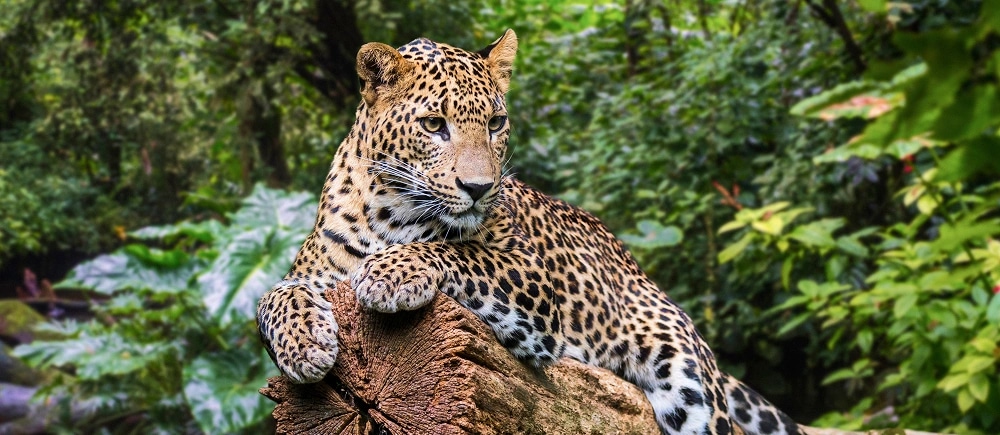
It is located on the shores the second largest artificial lake in Asia, the jaisamand lake. Established in 1957, it covers an area of over 52 square kilometres. This area was once used as the hunting grounds of the maharanas of mewar in the late 17th century. It is known for its diverse wildlife, including leopards, sloth bears, chital (spotted deer), and sambar, plus crocodiles, turtles, and over 200 bird species, offering leopard safaris and birdwatching amidst dry deciduous forests. It is a top attraction for wildlife enthusiasts and nature lovers, combining majestic landscapes with rich biodiversity and historical significance, all easily accessible from Udaipur.
Attractions in Jaisamand Wildlife Sanctuary
Debar Lake (also known as jaisamand lake): It is one of the top attractions in the sanctuary, featuring scenic islands, and providing a habitat for aquatic wildlife, all framed by the aravalli range. In order to explore the lake's islands and admire the surrounding beauty, boating is the most recommended activity.
Jungle Safaris: Explore the dry-deciduous forest on a jeep safari through designated routes to spot animals like panthers, hyenas, sambar, chital, wild boar, and nilgai (bluebull).
Birdwatching: Over 200 bird species, including coots and geese, thrive in the lake's islands and wetlands, attracting birders.
Aquatic Life: The Lake and surrounding wetland areas provide an ideal habitat for a variety of aquatic species. These include crocodiles (a significant population of crocodiles is found in the lake. Visitors are advised against swimming or putting hands in the water during boat rides due to their presence)
Watchtowers (Ohdis): These are designated view spots for wildlife viewing and enjoying the scenery and the view from these watch towers are absolutely breathe taking.
Jaisamand dam and marble cenotaphs: The colossal marble dam across the gomti River is a heritage monument itself. It features six intricately carved marble cenotaphs (chhatris) and a temple of lord shiva in the centre. It is one of the important places to visit in jaisamand sanctuary.
Ruthi rani ka mahal (summer palace): Also known as the palace of the queens, this historic monument sits on the shore of jaisamand lake. It is a highly popular place to visit in the sanctuary.
Hawa mahal: Used as a summer resort by the queens of Udaipur, this palace is located on the northern end of the lake and offers scenic views of the water and surrounding hills.
Entry to jaisamand wildlife sanctuary is very affordable, typically ₹10 per person for Indian nationals and ₹80 per person for foreigners, with an extra fee for cameras (around ₹200).
Best Time to Visit Jaisamand Wildlife Sanctuary
The sanctuary is open year-round 9:00 AM to 5:00 PM. November to February months have a pleasant and cool climate, ideal weather for safaris, birdwatching (migratory birds present), and outdoor activities. Booking the safari in advance is recommended to cherish jaisamand tourism.
9:00 AM - 10:00 AM: Travel to jaisamand sanctuary from Udaipur which is about 50 km and takes around 1.5 hours to reach by car.
10:00 AM - 10:30 AM: Arrival & Entry.
10:30 AM - 12:30 PM: Jeep Safari - This is the primary way to explore the sanctuary's dry deciduous forest. Safaris typically last about 2-3 hours. You may spot animals like spotted deer (chital), sambar, wild boar, chinkara, langur, peacocks, and a variety of birds. Panther or leopard sightings are possible but rare, so manage expectations.
12:30 PM - 1:30 PM: Birdwatching- Post-safari, spend time near the lake shores, which are a paradise for birdwatchers, especially in winter when migratory birds are present. Bring binoculars for a better experience.
1:30 PM - 2:30 PM: Lunch- Enjoy lunch at a local restaurant near the lake.
2:30 PM - 5:00 PM: Explore the architectural beauty of roothi rani palace and the hawa mahal. Also, visit the impressive marble dam and the temple of lord shiva in the center.
5:00 PM – 6:00 PM: Have a relaxing time on the boat ride in the famous jaisamand lake.
6:00 PM: Enjoy the beautiful sunset by the lake and take home a beautiful memory etched in your heart.
Activities in jaisamand wildlife sanctuary:
- Wildlife safaris: A jeep safari is the best way to spot animals in their natural habitat. Safaris typically last about 2 to 3 hours. Morning and evening slots are available, with early morning (around 7:00 AM) and late afternoon/evening (around 2:30 PM or 4:00 PM) considered the best times for animal sightings when they are most active. The cost varies depending on the vehicle and group size, typically ranging from ₹1,000 to ₹3,000 for a jeep safari. It's a great option for those hoping to see wild animals in their natural setting.
- Boating on jaisamand lake: It is a top tourist attraction in the sanctuary. Boat rides can last from a short 10-minute trip to an hour. Boating is generally available from 10:00 AM to 5:00 PM. Costs vary based on the type of boat and duration, ranging from around ₹30-₹100 per person for basic rides to ₹400-₹1200 for longer/luxury options.
- Nature walks and birdwatching: Explore the forest on foot through walking trails or designated areas to observe the diverse flora and over 200 species of resident and migratory birds that inhabit the sanctuary, especially near the lake's islands. Photography enthusiasts will find ample opportunities. It is the best way to explore with a proper travel guide.
How to Reach Jaisamand Wildlife Sanctuary
The most convenient access point for Jaisamand Wildlife Sanctuary is the city of Udaipur, which is well-connected by air, rail, and road.
By Air: The nearest airport is maharana pratap airport (UDR) in Udaipur (dabok).
It is approximately 45-70 km from the sanctuary. From the airport, the most convenient option is to hire a taxi or a private car to reach the sanctuary directly.
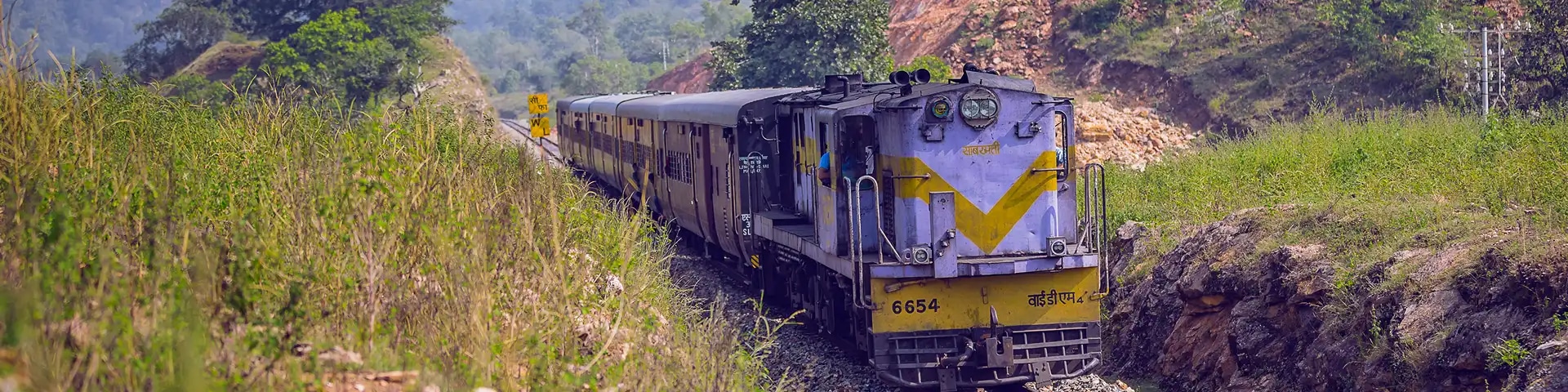
By train: Udaipur City Railway Station (UDZ) is well connected with major cities around the country. Jaisamand Road Railway Station is about 23 km from the sanctuary. You can board a bus or taxi to the sanctuary directly.
By road: Udaipur is well-connected by a network of national and state highways, including NH 48 and NH 52. You can reach the sanctuary by driving from Udaipur via the Udaipur-Banswara highway or SH 32, which will take about 1.5 hours.