

Hastinapur Wildlife Sanctuary
Discover the natural beauty and rich mythology of Hastinapur Wildlife Sanctuary.
Located on the banks of the River Ganga, this protected area in Uttar Pradesh offers a blend of diverse wildlife, serene landscapes, and historical sites, making it a perfect getaway for nature lovers and history enthusiasts alike. Experience the Hastinapur Wildlife Sanctuary Tour Packages for guided wildlife, bird species, and historical attractions!
About Hastinapur Wildlife Sanctuary
Hastinapur Wildlife Sanctuary is a protected area located in the Gangetic plains of Uttar Pradesh, India, holds immense historical and spiritual importance pilgrimage site for both Hindus and Jains, believed to be the birthplace of three Jain Tirthankaras and deep connection to ancient Indian history, particularly the Mahabharata epic.
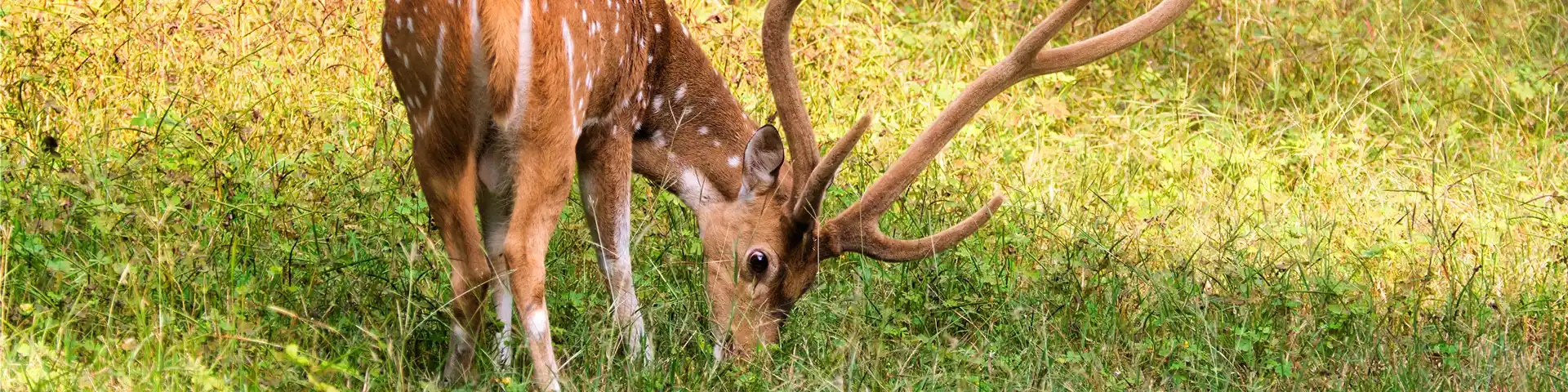
Established in 1986 to conserve the ecology and biodiversity, particularly the state animal Swamp Deer (Barasingha), variety of habitats, including wetlands, marshes, and grasslands, which support diverse species beyond the Swamp Deer, such as the Gangetic dolphin, gharial, hog deer, chital, and over 300 bird species.
Visitors can explore the diverse ecosystems and historical sites, experiencing a unique combination of spiritual legacy and natural wonder, opportunities for quiet reflection, photography, and reconnection with nature.
Attractions in Hastinapur Wildlife Sanctuary
Hastinapur Wildlife Sanctuary offers serene nature walks, birdwatching, and spotting diverse fauna like Swamp Deer, Otters, and Gharials, but its main attractions blend history, spirituality, and wildlife, including Jain sites (Jambudweep Jain Tirth, Kailash Parvat), Hindu temples (Pandeshwar, Karna, Draupadi Ghat), and the rich biodiversity along the Ganga River, making it a significant spiritual and eco-tourism spot.
Wildlife & Nature: There are lot of places inside the sanctuary, that includes, Jain Pilgrimage and Sites, Bada Digambar Jain Mandir, Jambudweep Jain Tirth, Kailash Parvat, Draupadi Ghat, Karna Temple, Pandeshwar Temple, Ashtapad, the Ganga Riverbanks have deep connections to the Mahabharata epic which in turn attracts tourist that are interested in the history and mythology of our country.
Wildlife Safari / Animal Viewing
Tourist, Nature enthusiasts, families, and photographers can explore the sanctuary's riverine forests, grasslands, and wetlands in a jeep or closed car to spot animals like the state animal Swamp Deer, Hog Deer, Cheetal, Sambar, Blackbuck, Nilgai, and possibly Pythons and Wild Otters.
Bird Watching
For Bird lovers, ornithologists, and peace seekers can enjoy Spotting a wide variety of resident and migratory birds, including Sarus Cranes, Painted Storks, and various waterfowl, with binoculars on nature walks or guided tours. To see migratory species, the winter months (November to March) is best season. Early mornings are generally the optimal time for maximum bird activity. Entry is generally free; guided tours may have costs.
Nature Walks and Hiking
Explore the lush post-monsoon foliage and enjoy the serene environment by Walking along designated paths. Specific areas like Haiderpur Wetland offer walking paths.
Individuals or groups looking for light exercise and immersion in nature.
There may be minor entry fees for specific affiliated sites like Haiderpur Wetland (around ₹50 per person).
Visiting Nearby Temples & Heritage Sites
Hastinapur is a historically and mythologically significant city, home to several ancient temples like the Bada Digambar Jain Mandir, Pandeshwar Temple, and the Shuk Dev Temple.
2-3 days for a comprehensive visit to all sites is recommended. Temple timings vary but are generally 6 AM - 8 PM. History buffs, spiritual seekers, and architecture enthusiasts, Entry to most temples is free, but donations are accepted.
Best Time to Visit Hastinapur Wildlife Sanctuary
The best time to visit Hastinapur Sanctuary is from November to March, when the weather is pleasant, ideal for birdwatching migratory species and spotting mammals like Swamp Deer, with activities like jeep/boat safaris; plan for early mornings for best wildlife viewing, dedicating a full day to explore, starting with safaris/walks and later visiting nearby religious sites like Shakambhari Temple, keeping mornings for wildlife and afternoons for culture.
Best Season & Time
Winter (November to March) for cool, comfortable weather.
Early mornings (6 AM onwards) and late afternoons for wildlife activity and birdwatching.
Key Activities
Birdwatching: Spotting resident and migratory birds, waterfowl, raptors.
Wildlife Viewing: Look for Swamp Deer, Blue Bull, crocodiles (in Ganga), otters, and many birds like peacocks.
Safaris: Jeep safaris and boat safaris are available.
Nature Walks: Guided walks through the sanctuary.
Cultural Visits: Explore Jain temples (Bada Temple) and Shakambhari Devi Temple.
Itinerary (One Day) Suggestions
6:00 AM - 10:00 AM (Morning Wildlife): Enter the sanctuary at 6 AM.
Go on a jeep or boat safari along the Ganga River for birding and crocodile/otter spotting.
Enjoy nature walks to see deer and peacocks.
10:00 AM - 12:00 PM (Break/Relax): Exit the sanctuary for breakfast/brunch at a local dhaba.
12:00 PM - 2:00 PM (Cultural Sightseeing): Visit the historic Digambar Jain Bada Temple.
2:00 PM - 3:00 PM (Lunch): Have lunch and rest.
3:00 PM - 5:00 PM (Afternoon Exploration): Visit the sacred Shakambhari Devi Temple or explore other local spots.
5:00 PM onwards: Depart or stay overnight if visiting multiple sites.
Activities in Hastinapur Wildlife Sanctuary
Activities in Sanctuary center around wildlife viewing, state animal, Swamp Deer, along with Ganges river dolphins, smooth-coated otters, gharials, nilgai, and various birds, birdwatching (diverse avifauna), nature walks.
Exploring the rich religious & historical sites like Pandeshwar Temple, Draupadi Ghat, and the significant Jain Tirths (Jambudweep, Astapad), offering a blend of nature, spirituality,
and eco-tourism along the Ganga's Gangetic Khadar region.
The sanctuary is a haven for bird lovers, especially around the Ganga's riverine ecosystem, making it great for spotting resident and migratory species.
Enjoy serene walks amidst the unique Gangetic Khadar biome, promoting conservation awareness and nature Walks & Eco-Tourism.
How to Reach Hastinapur Wildlife Sanctuary
To reach Hastinapur Wildlife Sanctuary, fly into Delhi (nearest major airport), then take a bus or taxi (approx. 140 km); or take a train to nearby stations like Meerut/Muzaffarnagar, and then hire local transport as the sanctuary spans multiple districts (Meerut, Bijnor, Amroha, Hapur) along the Ganga River, best visited Nov-Mar.
By Air: Nearby airport is Indira Gandhi International Airport (DEL), Delhi, approx. 140 km.
By Rail: The sanctuary covers areas in Meerut, Muzaffarnagar, and Bijnor districts, so these are your key railheads.
By Road: The sanctuary is accessible by road from surrounding districts like Meerut, Muzaffarnagar, and Bijnor, once near Hastinapur town or major entry points, local taxis and auto-rickshaws are available.
FAQs — Hastinapur Wildlife Sanctuary




Popular Tour Packages
Most booked holidays, hand-picked by our travellers