
Amaravati Tourism
About Amaravati
Amaravati, an ancient city with roots dating back to the 2nd century BCE, has long been a hub of Buddhist learning and culture. Its name—derived from “Ama” (peace) and “Vrati” (devotee)—reflects its spiritual heritage. Historically, it was a thriving Buddhist settlement under the Satavahana dynasty, attracting scholars, pilgrims, and artisans alike. Today, Amaravati is a UNESCO Heritage City, recognized for its historical significance and architectural marvels. The city’s landscape, adorned with the tranquil Krishna River, lush green surroundings, and ancient monuments, creates an atmosphere of peace and reflection. In Amaravati Tourism, it is not just a trip—it is a journey into India’s Buddhist past, its spiritual teachings, and centuries of cultural evolution.
Historical Significance
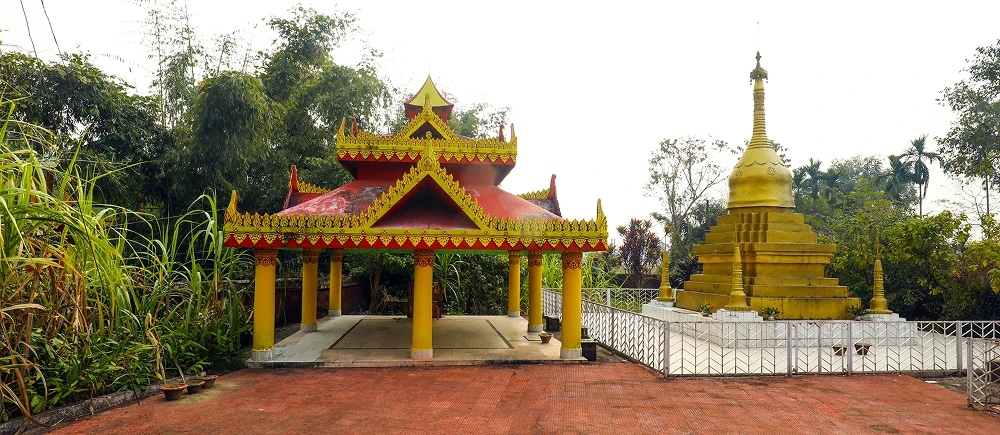
The historical prominence of Amaravati lies in its association with Buddhism in South India. The city was originally known as Chintapalli, serving as a vibrant center for Buddhist monks, scholars, and pilgrims. The Maha Stupa is renowned for its intricate carvings that depict episodes from the life of Lord Buddha.
- It was the site of the historical Kalachakra ritual, a spiritual ceremony emphasizing the cyclical nature of time and enlightenment.
- Excavations have revealed numerous inscriptions, statues, and relics, highlighting the city’s rich Buddhist heritage.
Cultural Identity
Amaravati is a city where spiritual devotion, religious rituals, and cultural traditions coalesce. Its rich Buddhist culture is evident in monuments, stupas, monasteries, and museums. Festivals and celebrations in Amaravati reflect centuries-old traditions, making it an ideal destination for cultural immersion. While Buddhism dominates the city’s cultural identity, Hinduism also thrives here, with temples like Amareswara Temple serving as important pilgrimage sites. This syncretism provides a fascinating insight into the diverse spiritual fabric of Andhra Pradesh.
Geographical Features
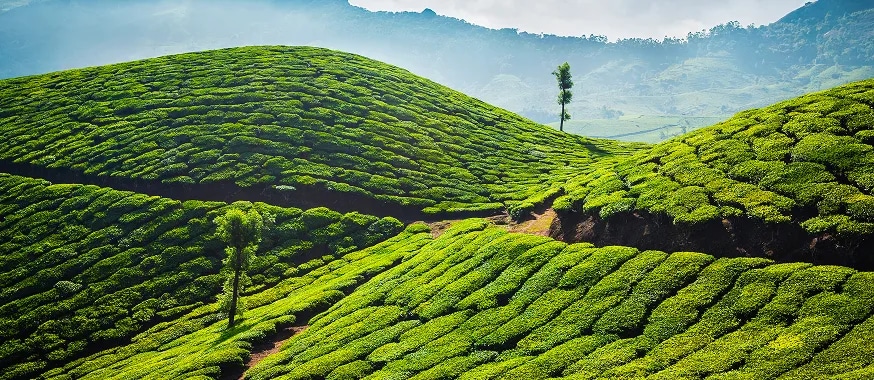
Nestled on the banks of the Krishna River, Amaravati is surrounded by fertile plains and gentle hills. The natural serenity complements the spiritual atmosphere, making it perfect for reflection, meditation, and sightseeing. The city is easily accessible from nearby urban centers such as Vijayawada and Guntur, allowing travelers to combine historical exploration with convenience.
Why Visit Amaravati?
- To explore one of India’s most iconic Buddhist heritage sites.
- To admire the architectural brilliance of the Maha Stupa and other monuments.
- To immerse in history at Amaravati Archaeological Museum.
- To experience spirituality at Amareswara Temple.
- To witness traditional craftsmanship at Kondapalli Toy Village.
- To enjoy serene landscapes and riverside views.
Quick Facts & Information About Amaravati
Location
Guntur District, AP
Best time to Visit
Oct - March
Famous For
Maha Stupa, Amaravati Archaeological Museum, Amareswara Temple, Kondapalli Toys, Buddhist Heritage
Top Tourist Places to Visit in Amaravati
Maha Stupa (Amaravati Stupa)
The centerpiece of Amaravati tourism, the Maha Stupa is a symbol of Buddhist art and culture. Key highlights include: Stunning carvings narrating Lord Buddha’s life. Historical Kalachakra ritual site. UNESCO Heritage recognition.
Amaravati Archaeological Museum
This museum is a treasure trove of Buddhist relics, inscriptions, and sculptures. It provides a deep understanding of Amaravati’s cultural and spiritual history. Visitors can marvel at centuries-old statues and artifacts that showcase the city’s rich past. Gallery II houses a majestic life-size standing Buddha statue adorned with the 32 Maha Purusha Lakshanas (marks of a great man). This gallery also features a beautifully carved round panel illustrating the episode of Rahula's presentation to Buddha by his father, King Suddhodana
Amareswara Temple
Dedicated to Lord Shiva, this Hindu temple is a significant pilgrimage site and one of the Panchakarma Kshetras. Its sacred aura, coupled with beautiful architecture, attracts both devotees and history enthusiasts.
Kondapalli Toy Village
Famous for the handcrafted Kondapalli Toys, the village demonstrates a 500-year-old tradition of woodcraft. These toys are lightweight, brightly colored, and intricate, making them a popular souvenir for tourists. Visitors can interact with artisans and learn about the crafting process.
Undavalli Caves
These ancient rock-cut caves date back to the 4th–5th centuries and are adorned with Buddhist sculptures and monolithic pillars. The caves reflect the grandeur of ancient Indian architecture and provide panoramic views of the surrounding landscape.
Raja Reddy Park & Amaravati Riverfront
The riverside park is perfect for leisurely walks and enjoying the serene Krishna River views. It also hosts cultural events and festivals, adding vibrancy to the natural scenery.
Top Things to Do in Amaravati
Explore Buddhist Monuments
Visit Amaravati Archaeological Museum
Participate in Temple Rituals
Discover Kondapalli Toys
Attend Local Festivals
Photography & Heritage Walks
Riverside Leisure Activities
How To Reach Amaravati?
The nearest airport to Amaravati is Vijayawada International Airport, located about 35 km away. It is well-connected with major Indian cities like Hyderabad, Chennai, Bengaluru, and Delhi, along with a few international destinations.
The closest railway station is Vijayawada Junction, one of the busiest stations in South India, situated around 32 km from Amaravati. It offers excellent connectivity to most major cities across India. From the station, cabs, auto-rickshaws, and buses are readily available to reach Amaravati.
Amaravati is well-linked by a network of national and state highways. Regular APSRTC buses operate from Vijayawada, Guntur, Hyderabad, and other nearby towns.
Important Travel Tips For Amaravati
Peak Season
Months: October to March
During these months, the weather is mild to pleasant, with temperatures ranging from 18°C to 32°C ideal for exploring the Maha Stupa, Amaravati Archaeological Museum, temples, and Kondapalli Toy Village.
Alternative Season
Months: April, May, and September
These months offer slightly warmer temperatures (25°C to 38°C) but fewer crowds than peak season.
Off Season
Months: June to August
Monsoon season brings heavy rains, refreshing greenery, and a quieter atmosphere. This is an excellent time for budget travelers, as accommodation and travel costs are lower.
Month-wise Insights
- January–March: Cool, dry, and comfortable for sightseeing and outdoor activities.
- April–May: Hot afternoons; early mornings and evenings are ideal for visits. Sun protection is a must.
- June–August: Monsoon rains; lush scenery, fewer crowds, but occasional travel delays.
- September: Post-monsoon, moderate temperatures, and beautiful green landscapes.
- October–December: Comfortable temperatures, perfect for sightseeing, photography, and festival celebrations.
Festival Calendar
- Buddha Purnima (April/May): Celebrates Buddha’s birth, enlightenment, and nirvana.
- Makar Sankranti (January): Harvest festival with colorful celebrations.
- Navaratri/Dussehra (September/October): Cultural performances and temple festivities.
- Diwali (October/November): City illuminations and religious rituals.
Clothing Recommendations
- Peak Season: Light cottons for the day and warm layers for evenings. Comfortable shoes are recommended for temple and museum visits.
- Shoulder Season: Breathable cottons, sunglasses, hats, sunscreen, and light scarves for temple visits.
- Off Season: Waterproof jackets or umbrellas, quick-dry clothing, and comfortable shoes for wet conditions. Avoid heavy fabrics that take long to dry.
Things To Know Before Visiting Amaravati
Dress Modestly at Temples and Stupas
Amaravati is home to sacred Buddhist monuments and revered temples like the Amareswara Temple. Visitors are expected to wear modest clothing that covers shoulders and knees.
Photography Restrictions
While the Maha Stupa and riverfront areas make for beautiful photographs, certain heritage sites and the Amaravati Archaeological Museum may have restrictions on photography.
Carry Cash for Local Markets
Though digital payments are becoming common, smaller vendors and artisans, especially in places like Kondapalli Toy Village and local bazaars, often prefer cash.
Respect Local Traditions
Amaravati has a deep spiritual and cultural significance. Be mindful of local customs such as removing footwear before entering temples and prayer halls.
Stay Hydrated & Use Sun Protection
The climate can get warm, particularly during summer and shoulder seasons. Carry a reusable water bottle, wear sunscreen, and use sunglasses or hats while exploring outdoor attractions like the Maha Stupa, temple complexes, or the Krishna River banks.
FAQs on Amaravati Tourism
Popular Tour Packages
Most booked holidays, hand-picked by our travellers