
About Vaikom Mahadeva Temple
The Vaikom Mahadeva Temple, a key landmark in Vaikom Mahadeva Temple tourism, is an ancient 1,500-year-old shrine believed to be installed by Lord Parasurama and revered as the “Kashi of the South.” Known for its oval-shaped Sreekovil, 8-acre courtyard, and uninterrupted worship since the Treta Yuga, the temple is deeply tied to the historic Vaikom Satyagraha, a pivotal social reform movement, making it a symbol of equality as well as and rich traditions like Thulabharam and grand Vaikathashtami festival. Its blend of mythology, Kerala architecture, and vibrant cultural rituals makes it a must-visit for travellers seeking spiritual depth, architectural beauty, and meaningful cultural experiences during their Vaikom Mahadeva Temple tours and travels.
What to Expect?
When visiting the Vaikom Mahadeva Temple, travelers can expect a serene and spiritually uplifting experience rooted in centuries of devotion, traditional Kerala architecture, and deep cultural heritage. As one of the major landmarks highlighted in Vaikom Mahadeva Temple tourism, this ancient shrine welcomes visitors into an expansive 8-acre courtyard, where the first glimpse of its majestic gopurams and the rare oval-shaped Sreekovil immediately sets it apart from other temples in Kerala. The temple is especially powerful as one of the three Shiva temples traditionally visited before Ucha Puja to fulfil wishes. Upon arrival, devotees are expected to follow a strict dress code—men must wear a dhoti without a shirt, while women should be dressed in a sari, salwar kameez, or churidar—ensuring respect for temple customs. Inside the complex, the peaceful ambience is especially noticeable during non-festival hours, making it a calming retreat for those exploring through Vaikom Mahadeva Temple tours and travels. Visitors can walk through the beautifully maintained pathways leading to smaller shrines dedicated to Ganesha and other deities, enhancing the spiritual depth of the visit. Holy ash (prasadam), believed to carry healing properties, is often distributed, offering a moment of divine blessing. The temple is also renowned for continuous pujas that have never ceased since its origin, reaffirming its powerful aura. Architecture lovers will appreciate the intricate wooden and stone workmanship, while cultural explorers can immerse themselves in the temple’s strong connection to the historic Vaikathashtami festival, a spectacle included in many Vaikom Mahadeva Temple tours and packages. Beyond the temple, travelers can explore scenic places to visit near Vaikom Mahadeva Temple, including Vaikom Beach, Ettumanoor Mahadeva Temple, Kumarakom Bird Sanctuary, and the unique Bay Island Driftwood Museum, making the journey both spiritual and enriching. For a smooth experience, simple Vaikom Mahadeva Temple travel tips—like visiting early morning and respecting local etiquette—ensure a memorable and meaningful visit.
Best Time to Visit Vaikom Mahadeva Temple
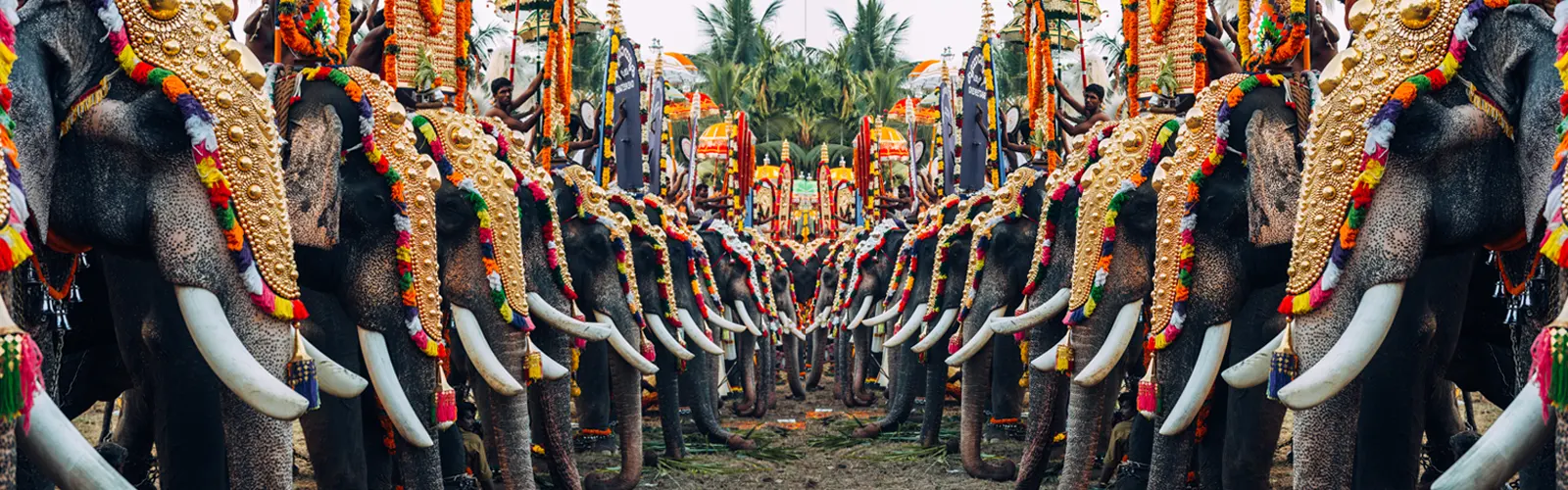
The best time to visit Vaikom Mahadeva Temple is between October and March, when the weather is pleasant, the humidity is mild, and the temple surroundings feel calm—ideal for spiritual seekers planning Vaikom Mahadeva Temple tourism or those booking curated tours and travels. This is the peak season, offering clear skies and comfortable temperatures of 23°C–30°C, though you can expect moderate crowds, especially during weekends and special rituals. The highlight of the Festival Calendar is the twelve-day Vaikathashtami festival, held annually in the Malayalam month of Vrischikam (typically November/December). This grand event, marked by traditional art forms, cultural performances, and elephant processions, offers the most vibrant experience for Vaikom Mahadeva Temple tours and travels, despite the high crowd concentration.
The shoulder season (July–September) is perfect for visitors who prefer serenity. While light to moderate monsoon showers are common, the lush greenery, peaceful temple ambience, and fewer tourists create a refreshing experience. This time is also suitable for budget travellers exploring Vaikom Mahadeva Temple tours and packages, as accommodation and travel rates may be lower. The rain-enhanced scenery around nearby attractions like Vaikom Beach, Kumarakom Bird Sanctuary, and Ettumanoor Temple adds extra charm to the journey.
The off-season (April–June) brings high humidity and temperatures often rising above 32°C, but early morning temple visits remain pleasant. Devotees visiting during this period enjoy minimal crowding, faster darshan, and more personalised spiritual experiences. However, hydration and sun protection are essential Vaikom Mahadeva Temple travel tips for this time. The temple enforces a very strict traditional dress code. Men must wear a dhoti or mundu (bare chest is required inside the Sreekovil). Women must wear a saree, salwar kameez, or a full-length traditional garment.
How To Reach?
- By Air:
The nearest airport is Cochin International Airport (57 Km). Taxis and public transport easily connect the airport to Vaikom town for your Vaikom Mahadeva Temple tourism. - By Train:
Vaikom Road Railway Station (12 Km) is the closest, with frequent connections. From the railway station, auto-rickshaws and local buses are easily available to reach the Vaikom Mahadeva Temple. - By Road:
Well-connected via NH 66; KSRTC buses and private vehicles make it easy for travellers choosing Vaikom Mahadeva Temple tours and travels. - By Water:
A unique option is the Vaikom-Thavanakadavu ferry, connecting to the nearby places to visit in Vaikom Mahadeva Temple area.
Things to Know Before Visiting Vaikom Mahadeva Temple
- Strict Dress Code: Mandatory traditional attire. Men must wear a dhoti and remove their shirt before entering the inner temple. Women must wear a saree, salwar kameez, or churidar.
- Temple Timings: The temple closes for a few hours around noon (after the Ucha Puja) and reopens in the late afternoon. Plan your visit accordingly.
- Photography: Strictly restricted. DSLR and external cameras are prohibited, even outside the inner sanctum.
- Unique Offering: Free Prathal (food feasting) is served after the midday worship.
- Special Days: Mondays and Pradosha days are especially significant for worship.