
Triprangode Temple
Discover the Kerala Temple Where Shiva Appeared as Kalasamhara Murti
Located near Tirur in Malappuram, the ancient Triprangode Siva Temple is a prominent pilgrimage site in northern Kerala, historically mentioned in the 15th-century Kokila Sandeśa. This revered temple stands as the shrine where Lord Shiva, in his fierce Kalasamhara Murti form, defeated Yama (the God of Death) to grant Sage Markandeya eternal life. This powerful legend makes Triprangode Temple tourism highly significant for devotees seeking refuge from mortality, offering a unique spiritual focus for any Triprangode Temple tours and travels.
About Triprangode Temple
Triprangode Siva Temple, a major highlight of Triprangode Temple tourism, is one of Kerala’s oldest Shiva shrines, famed as the site where Lord Shiva, as Kalasamhara Murti, defeated Yama to save Sage Markandeya, assuring devotees protection from death. The temple stands out for its two-storied gajaprishta-shaped Sreekovil, west-facing Swayambu Lingam, and vast 6-acre layout filled with sub-shrines, sacred ponds, and a majestic banyan tree. It is renowned for the unique ritual of Sayanapradakshinam and healing ghee prasadam from the Goddess Parvati shrine. Rich history, distinctive architecture, and powerful spiritual experiences make it a must-visit in Triprangode Temple tours and travels.
What to Expect ?
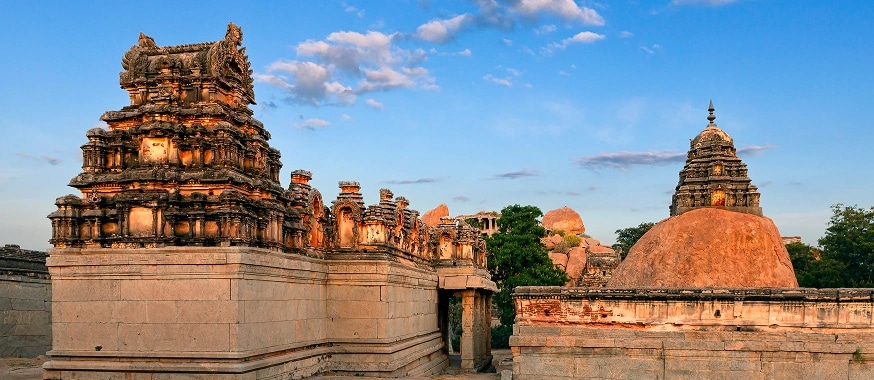
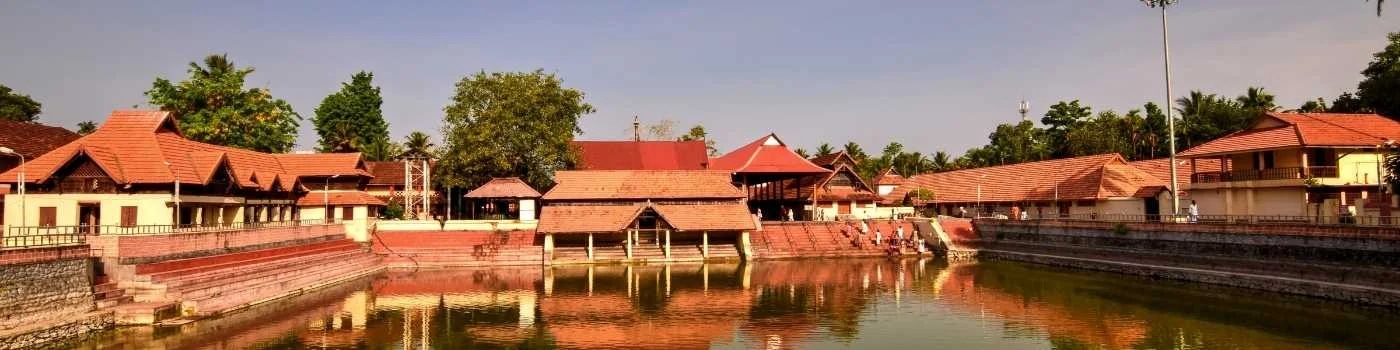
When you arrive at the ancient Triprangode Shiva Temple, you’ll immediately sense why it stands as one of Malabar’s most spiritually charged landmarks and a highlight for Triprangode Temple tourism. The complex opens into a vast traditional Kerala-style temple courtyard, where the first sight to greet you is the rare two-storied gajaprishta (elephant-backed) sanctum, a signature feature that makes this temple truly unique. Visitors often find themselves drawn to the serene ambience shaped by wide stone pathways, sacred ponds, and the gentle rustling of the massive banyan tree that shades the entrance. As part of your Triprangode Temple tours and travels, expect to explore several sub-shrines dedicated to Shiva, Parvati, Vishnu, Krishna (installed as Gosala Krishna), Ayyappa, Bhadrakali, Ganesha, and more—each carrying its own cultural and mythological significance. The temple's deep connection to the legend of Sage Markandeya and Lord Shiva’s Kalasamhara form adds to the spiritual magnetism of the place, making it one of the most meaningful places to visit in Triprangode Temple. Inside, you’ll find the Namaskara Mandapam where Brahmins chant Vedic hymns, a tall dwajasthambam, and the balipedam aligned with the west-facing swayambhoolingam. Visitors should also be prepared to follow traditional dress codes—men entering bare-chested and women dressed modestly—reflecting the temple’s adherence to ancient customs. The peaceful rural setting beside the “Vellottu padam” fields enhances the temple’s charm, offering a refreshing contrast to city tours. Five sacred ponds surround the premises, each associated with significant rituals; many devotees take a purifying bath before darshan. The temple shops sell puja items, seva counters are easily accessible, and ample parking is available. For those planning Triprangode Temple tours and packages, key Triprangode Temple travel tips include arriving early in the morning for the most serene experience and visiting during Sivarathri to witness the temple’s spiritual energy at its peak.
Best Time to Visit Triprangode Temple
The best time to visit Triprangode Temple largely depends on the kind of experience you’re seeking, but for most travellers, the ideal season falls between October and February, when the weather is pleasantly cool, humidity drops, and the surroundings are lush after the monsoon—making it a favourite period for Triprangode Temple tourism as well as Triprangode Temple tours and travels. This peak season offers comfortable mornings for darshan, though you can expect moderate crowd levels, especially on Mondays, Pradosham days, and during the temple’s notable rituals like Mrithyunjaya Homam. The shoulder season—March to May—brings hot, dry weather with temperatures rising above 32°C, but it’s still a suitable time for a quieter visit, and many travellers choose this period to explore nearby places to visit in Triprangode Temple at a relaxed pace. Off-season arrives with the monsoon months of June to September, offering budget-friendly options for Triprangode Temple tours and packages; however, heavy rain may affect travel schedules and outdoor movements, though the temple’s emerald-green surroundings look breathtaking during this time. Month-wise, expect cool, pleasant conditions from December to January (22–28°C), moderate rainfall in late May and early October, and heavy showers in July and August. One of the most spiritually vibrant times to plan your Triprangode Temple travel is during Maha Shivaratri (February or March), when the temple celebrates night-long rituals dedicated to Lord Shiva’s Kalasamhara form. The annual Arattu festival in the Malayalam month of Dhanu (December/January) is another highlight. When planning your visit, it’s important to follow local customs—men must enter the sanctum bare-chested, and both men and women should wear modest, traditional clothing suitable for Kerala’s humid climate. Light cottons are ideal year-round, and carrying an umbrella is helpful, especially during unpredictable monsoon spells. With these Triprangode Temple travel tips in mind, you can choose the season that best suits your comfort and spiritual intentions.
How To Reach Triprangode Temple ?
- By Air:
The nearest airport is Calicut International Airport (47.3 Km). Taxis are easily available, making it convenient to visit Triprangode Siva Temple. - By Train:
Tirur Railway Station (10 Km) is the closest railhead, offering frequent connections from major Kerala cities-ideal for Triprangode Temple tours and travels. - By Road:
The temple is well-connected by local roads. Frequent bus services and auto-rickshaws run from Tirur and nearby towns like Kuttippuram and Malappuram to Triprangode Temple.
Things to Know Before Visiting Triprangode Temple
- Dress Code: Men must wear a dhoti or trousers and remove their shirts before entering; while women should wear modest traditional attire like a saree or salwar kameez.
- Footwear: Remove shoes and hats before entering the temple premises.
- Circumambulation: Devotees usually walk around the outer prakaram before approaching the sanctum.
- Temple Timings: The Triprangode Temple is open from 4:30 AM until 11:15 AM, and reopens later in the afternoon from 4:30 PM until 8:00 PM. So plan your visit accordingly.
- Key Ritual: The temple is renowned for Sayanapradakshinam, an important ritual performed by rolling around the shrine.
FAQs — Triprangode Temple

Popular Tour Packages
Most booked holidays, hand-picked by our travellers