
Thirunavaya Navamukunda Temple
Where the Holy Bharathappuzha Meets Centuries of Devotion: Explore the Celestial Charm of Thirunavaya Navamukunda Temple
Located on the sacred northern bank of the Bharatappuzha in Malappuram, Kerala, the ancient Thirunavaya Navamukunda Temple is a celebrated Divya Desam dedicated to Lord Vishnu (Navamukunda Perumal). Revered as a Trimurti sangama due to the nearby Brahma-Shiva temples, the site is often compared to Kasi for its holy pitru tarpana rituals for ancestors. This historically pivotal shrine, once the venue for the grand Mamankam assembly, is a cornerstone of Thirunavaya Navamukunda Temple tourism.
About Thirunavaya Navamukunda Temple
The Thirunavaya Navamukunda Temple is one of Kerala’s oldest Vishnu shrines, believed to be built by the Nava Yogis and later renovated 1300 years ago by the Vettath Rajah. Once the capital of the Perumpadapu Swaroopam, it gained immense historical significance as the venue of the grand Mamankam festival, held every 12 years. Set along the sacred Bharathapuzha—considered as holy as Varanasi—the temple is a major center for pitru tarpanam and a serene stop for travellers exploring Thirunavaya Navamukunda Temple tourism. Its unique features, including the half-visible Navamukunda idol, traditional Kerala architecture, and its Trimurti connection to nearby Brahma and Shiva temples, make it a culturally rich and spiritually uplifting destination. Ideal for heritage lovers, pilgrims, and riverfront seekers, it offers a peaceful atmosphere and deep cultural identity, making it a must-visit for those planning Thirunavaya Navamukunda Temple tours and travels.
What to Expect
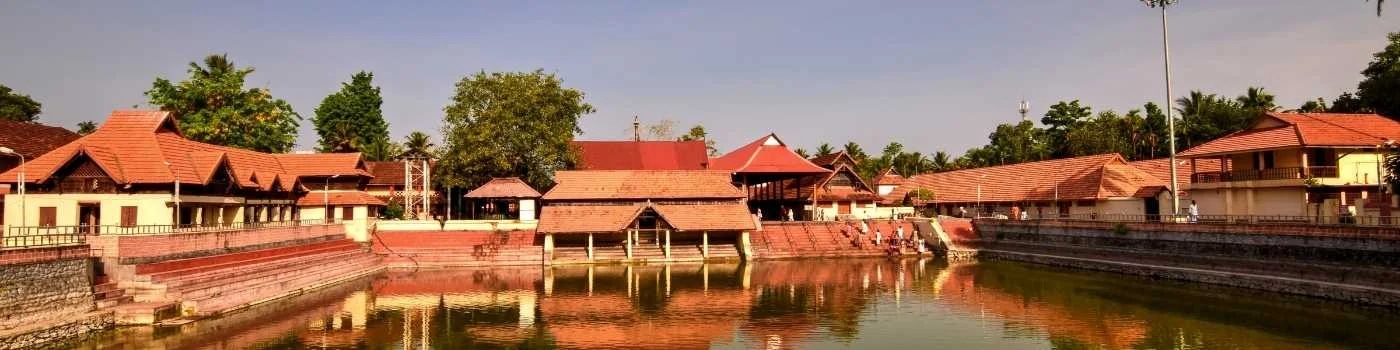
Visitors arriving at the Thirunavaya Navamukunda Temple can expect a deeply spiritual, serene, and culturally rich experience set against the tranquil backdrop of the Bharathapuzha River. The first thing that strikes you is the peaceful ambiance—the sound of flowing water, the shade of ancient trees, and the calm energy that makes this place a highlight of Thirunavaya Navamukunda Temple tourism. The temple’s architecture stands as a testament to Kerala’s heritage, with its traditional wooden carvings, sloping roofs, and sacred sanctum where the half-visible Navamukunda idol remains one of the most unique features in Indian temple architecture. As you walk through the chuttambalam, you’ll notice the historical depth of the site, once the grand venue of the legendary Mamankam festival. Today, travelers often explore remnants of that era—Nilapadu Thara, Manikkinar, Pazhukkamandapam, and old kalari grounds—making a visit feel like stepping into the pages of Kerala’s vibrant past. The riverfront atmosphere is particularly soothing, and since the temple has no pond or well, all rituals use water directly from the Bharathapuzha, enhancing its spiritual authenticity. Devotees visiting for pitru tarpanam will find the surroundings ideal for quiet reflection. The dress code is traditional, with men required to wear a mundu and remove their shirts, aligning with local customs shared in many Thirunavaya Navamukunda Temple travel tips. Visitors can combine their trip with places to visit near Thirunavaya Navamukunda Temple, such as Biyyam Kayal, Kadalundi Bird Sanctuary, Kottakkunnu Park, and Alathiyoor Hanuman Temple, often included in Thirunavaya Navamukunda Temple tours and packages. With scenic river views, centuries-old traditions, and a calm, devotional atmosphere, the temple promises an enriching experience for pilgrims, culture enthusiasts, and anyone seeking a peaceful escape in Kerala. The presence of shrines for Brahma and Shiva across the river makes the entire area a sacred Trimurti sangama, offering a truly unique spiritual journey.
Best Time to Visit Thirunavaya Navamukunda Temple
Planning your visit to the sacred Thirunavaya Navamukunda Temple becomes even more meaningful when you choose the right season, as the riverfront ambiance, festival calendar, and weather greatly influence the experience. The best time to visit Thirunavaya Navamukunda Temple is from October to March, when the climate is pleasant, humidity drops, and the Bharathapuzha riverbank feels calm and refreshing—perfect for pilgrims and travellers exploring Thirunavaya Navamukunda Temple tourism.
This peak season offers comfortable mornings around 22–26°C and cooler evenings, though you can expect moderate crowds, especially on weekends and auspicious days. If you prefer a quieter experience, the shoulder months of July to September are a good alternative. While this season brings monsoon showers, the rains enhance the scenic beauty, making temple visits peaceful and ideal for visitors looking for relaxed Thirunavaya Navamukunda Temple tours and travels. Budget travellers often prefer April to June, the off-season, when the summer heat is higher (30–35°C) but accommodation prices drop, and the temple surroundings remain serene with fewer tourists. Month-wise, January and February offer the most stable weather; June to August are marked by intermittent rainfall; and March, April, and May bring hotter days.
The temple's major Festival Calendar events dictate high-crowd periods. The annual 10-day Utsavam (Festival) takes place in the Malayalam month of Medam (typically April). This event attracts huge crowds due to the grand celebrations. While April falls in the hot Shoulder Season (high humidity and temperatures up to 37°C), the festival atmosphere is unmatched. The most unique, though rare, event is the Mamankam Festival, held once every 12 years (check local sources for the next date).
For those undertaking the highly significant Pitru Tarpana (ancestor worship) rituals, the sacred days like Amavasya (new moon) or Karkidaka Vavu (the new moon in the Malayalam month of Karkidakam, July/August) draw immense crowds to the Bharatappuzha riverbanks.
How to Reach Thirunavaya Navamukunda Temple?
- By Air:
The nearest airport is Calicut International Airport (around 40 Km). Taxis and cabs are easily available, making it convenient for travellers exploring Thirunavaya Navamukunda Temple tourism. - By Train:
Thirunavaya Railway Station (just 1.5 Km) is the closest. Tirur Railway Station is another option (10 Km). From the railway station, autos and local taxis provide quick access to the temple. - By Road:
Thirunavaya is well connected by buses and private vehicles via National Highway 66 (NH 66)—ideal for those planning Thirunavaya Navamukunda Temple tours and travels.
Things to Know Before Visiting Thirunavaya Navamukunda Temple
- Dress Code: Men must wear a mundu or dhoti and remove their shirts before entering; women must wear traditional attire—sari, set-mundu, or skirt and blouse.
- Temple Timings: Open 5:00 AM–11:00 AM and 5:30 PM–7:30 PM, with a midday closure.
- Historical Note: This site was once the venue of the famous Mamankam festival.
- Ritual Significance: The temple is highly significant for ancestor rituals (pitru tarpanam) on the sacred Bharathapuzha riverbanks.
- Parking & Facilities: Parking, restrooms, and occasional temple meals available.
- Travel Tips: Start early, especially during festivals, and explore nearby places to visit for a richer experience.
FAQs — Thirunavaya Navamukunda Temple

Popular Tour Packages
Most booked holidays, hand-picked by our travellers