
Thirunelli Temple
A Sacred Confluence of Divinity, Rituals, and the Healing Wayanad Hills
Nestled in the serene Brahmagiri Hills of Wayanad, Kerala, Thirunelli Temple is an ancient Maha Vishnu shrine celebrated for its timeless spiritual aura. Known as the Sahyamala Kshetram and the Kashi of the South, this sacred site is unique as it is believed to be the only temple where devotees can perform all life cycle rituals, from birth to life after death, on the banks of the sin-dissolving Papanasini stream. A highlight of Thirunelli Temple tourism is that this sacred site is blessed by the presence of Vishnu, Shiva, and Brahma.
About Thirunelli Temple
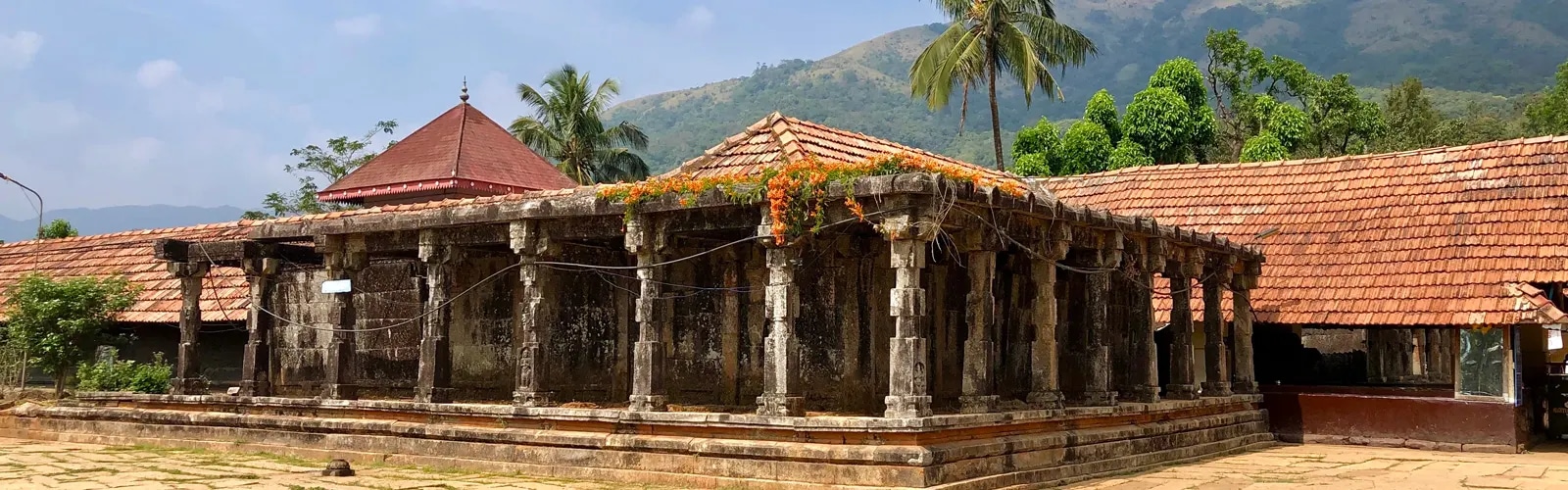
Thirunelli Temple, one of Kerala’s most ancient and revered shrines, is a cornerstone of Thirunelli Temple tourism. Believed to be consecrated by Lord Brahma over a millennium ago in the peaceful Brahmagiri hills, this Maha Vishnu temple is uniquely revered as the "Kashi of the South" because it allows devotees to perform all life-cycle rituals, including ancestral rites (pitrukarma). The nearby sacred Papanasini stream is central to these rituals, believed to absolve sins. The temple's ancient architecture, marked by granite work, and the spiritual presence of the Hindu Trinity (Vishnu, Shiva, and Brahma) make Thirunelli Temple tours and packages a deeply enriching spiritual journey.
What to Expect
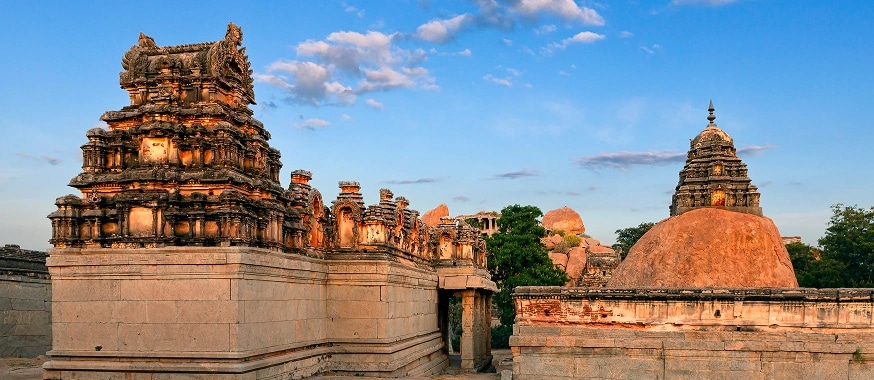
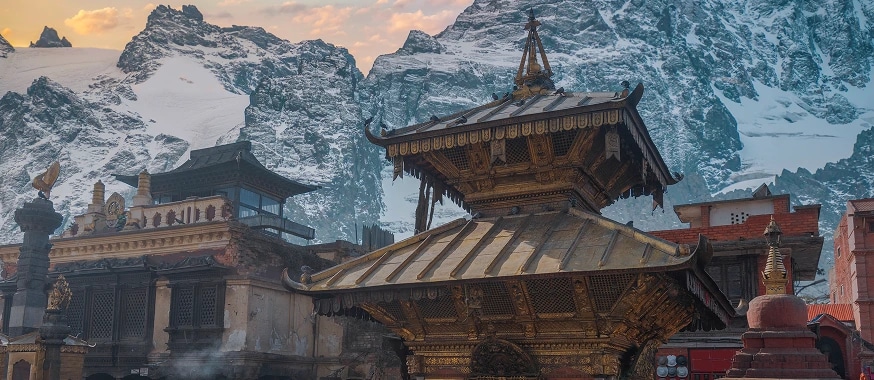
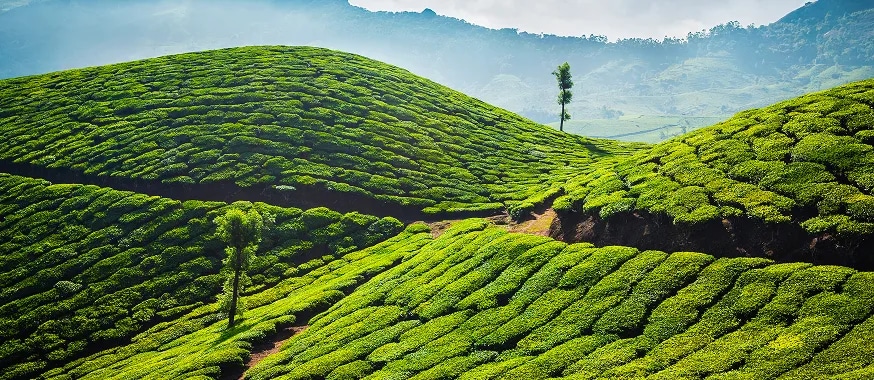
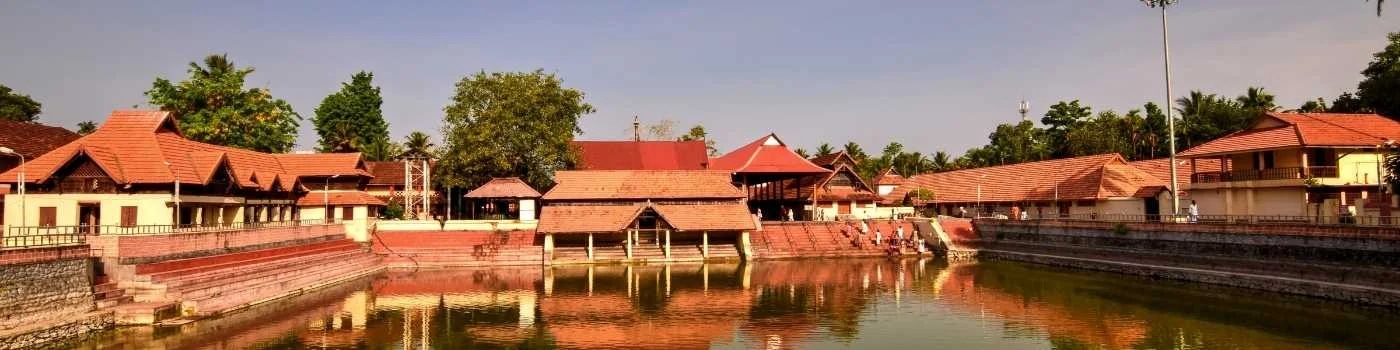
When embarking on Thirunelli Temple tours and packages, prepare for a profoundly spiritual experience amidst breathtaking natural beauty. This ancient Maha Vishnu temple, set at 900 meters in the lush Brahmagiri hills of Wayanad, offers an immediately serene and tranquil atmosphere. Expect to be surrounded by thick, lush forest, with the silence broken only by chants and temple bells. Visitors are immediately drawn to the classical Kerala-style architecture, featuring around 30 columns, a tiled roof, unique granite pillars, and intricate carvings that reflect centuries of fine craftsmanship, providing a tangible connection to over a thousand years of history. This sacred shrine houses Lord Vishnu in a unique standing posture, unlike many other shrines, holding the traditional symbols of power—the conch, discus, and mace.
Spiritually, the most defining feature is its role as the "Kashi of the South." You will witness the sacred Bali Tharpanam rituals for departed ancestors performed near the holy Papanasini stream, which is believed to grant moksha (soul liberation) and cleanse sins, a ritual so significant that legends claim Lord Rama and Lakshmana performed it here for his father. Before entering the temple, pilgrims traditionally take a ritual bath here, and the nearby Panchatheertham pond is also revered, believed to hold waters from five holy rivers.
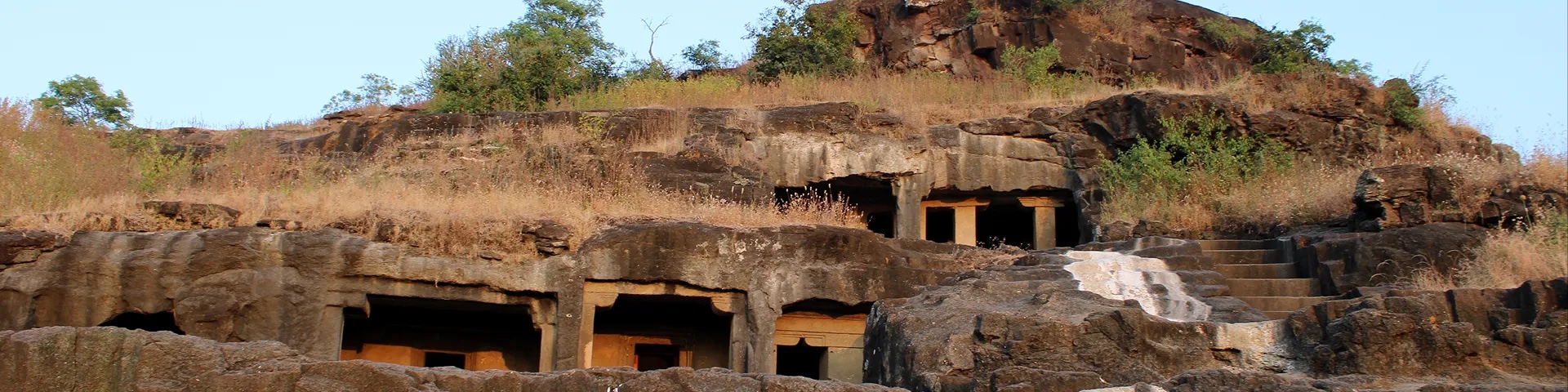
Beyond the main shrine, the presence of a Lord Shiva cave temple (Gunnika) ensures the blessing of the divine Trinity. Visitors can also enjoy the scenic beauty and wildlife of the surrounding forests, often spotting vibrant birds and butterflies thanks to the temple’s proximity to the Wayanad Wildlife Sanctuary. For those seeking adventure, places to visit in Thirunelli Temple include the Pakshipathalam caves, Brahmagiri trekking trails, and the tranquil Kuruva Island. While accessibility is moderate, Thirunelli Temple travel tips suggest visiting during the cooler months for the most pleasant experience, as monsoons can bring heavy rains. The Thirunelli Temple in Wayanad promises a soulful escape that beautifully blends introspection, rich history, and the unmatchable calm of Kerala’s cloud-clad mountains.
Best Time to Visit Thirunelli Temple
The best time to visit Thirunelli Temple is from October to February, when the weather stays cool and ideal for performing rituals like Bali Tharpanam, trekking, and exploring nearby attractions included in many Thirunelli Temple tours and travels. These peak months offer clear views of the Brahmagiri hills, though you can expect moderate crowds. March to May is a warmer shoulder season but still suitable for pilgrimage. June to September brings heavy monsoon rain—great for budget-friendly Thirunelli Temple tourism but with limited outdoor access. Visitors arriving during festivals like the Thirunelli Festival, Navratri, etc., will see vibrant rituals. Carry light cottons, umbrellas in monsoon, and follow the simple temple dress code: men often need to wear a dhoti and remove their shirts inside the inner sanctum.
How to Reach Thirunelli Temple?
- By Air:
The nearest major airport is Kannur International Airport, approximately 93 Km from Thirunelli Temple. Alternatively, Calicut International Airport (CCJ), approximately 128 Km away. From there, you can avail of public transport or get a cab/ taxi for a comfortable drive through the hills to reach the temple. - By Rail:
The nearest railway stations are Kannur (116 Km) and Kozhikode (Calicut - CLT), about 120 Km away. Taxis or buses are readily available for the final leg of your Thirunelli Temple tours and travels. - By Road:
Thirunelli is well connected to Mananthavady, Kalpetta, and nearby towns, making it easy for travellers using Thirunelli Temple tourism services or customised tours and packages. Regular KSRTC buses operate from Wayanad’s major hubs, offering an affordable option for pilgrims.
Things to Know Before Visiting
- Religious Significance: The temple is the "Kashi of the South," famed for Bali Tharpanam (ancestral rites) performed near the Papanasini stream.
- Dress Code: Adhere strictly to the modest code. Men should wear dhoti or pants (removing the shirt for the inner sanctum), and women should wear saree or salwar kameez. Avoid shorts/sleeveless tops.
- Timing: Start early (especially for rituals at Papanasini) to beat the crowds and complete your darshan (viewing) comfortably.
- Carry Cash: Bring cash; digital payments are not universally accepted at local stalls or transport.
- Wildlife Alert: Since the temple is located in the Western Ghats, be vigilant for wildlife like elephants and deer on the surrounding roads.
- Trinity Presence: The nearby Gunika Temple (Lord Shiva) completes the divine Trinity, enhancing your Thirunelli Temple tourism experience.
FAQs — Thirunelli Temple

Popular Tour Packages
Most booked holidays, hand-picked by our travellers