
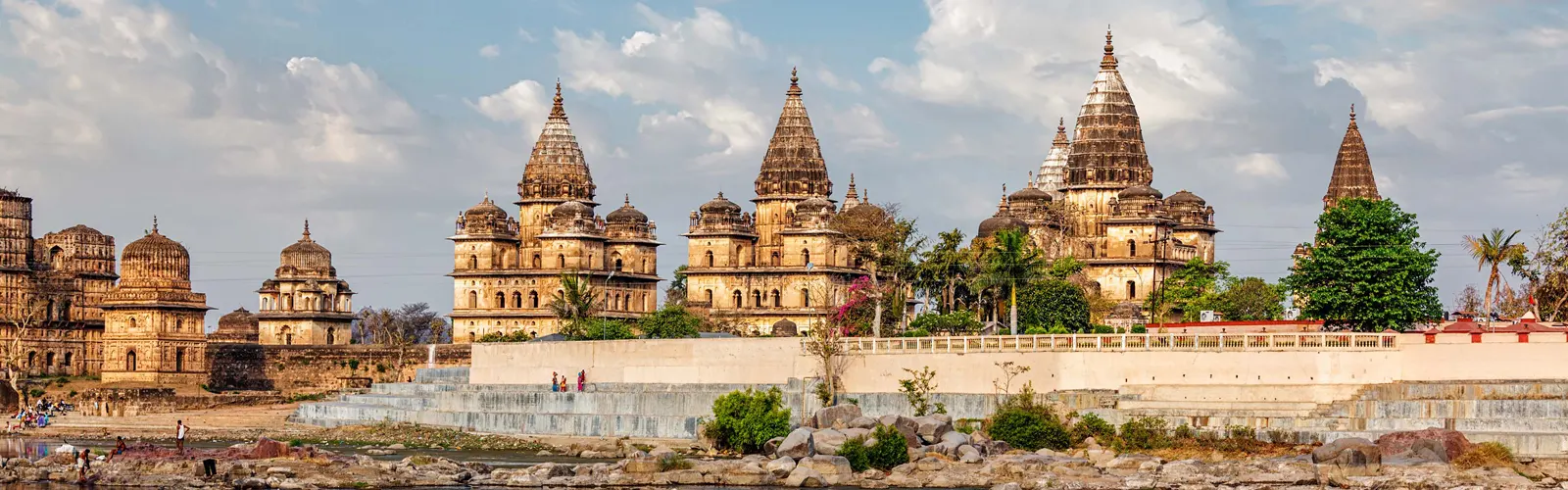
Temples in Madhya Pradesh – Famous Temples & Top Spiritual Destinations
Introduction
Madhya Pradesh, renowned as “The heart of Indian” holds a rich spiritual past and stunning temples built over many ages. This region boasts several popular sacred landmarks where ancient stories meet detailed stonework and living traditions that attract travellers worldwide. Whether it's mighty river-side Jyotirlinga shrines or historic temple groups listed by UNESCO, the experience here blends faith, heritage and beautiful design. These elements together create a unique religious travel path, locationing the state among Central India’s major devotional hubs.
Major Temples Overview
At the center of Madhya Pradesh’s spiritual legacy stands the popular Mahakaleshwar Jyotirlinga Temple in Ujjain, one of the 12 sacred Jyotirlingas - a shrine where devotees believe Lord Shiva reveals his most altruistic and cosmic form. The temple’s unique speciality lies in its divinely revered Shiva Linga, its deeply rooted ritual traditions, and the powerful energy of its nightly Bhasma Aarti - a spiritual experience unparalleled anywhere else, which draws thousands of pilgrims especially during auspicious festivals and holy months. Another jewel is the Omkareshwar Temple, situated on a sacred island shaped like the mystical symbol 'ॐ' across the Narmada River; its speciality lies in being among the most revered Jyotirlingas in India offering a serene riverside shrine experience where spirituality merges with nature’s calm rhythms, making it an necessary destination for followers of Lord Shiva and spiritual seekers
Later came the widely popular Khajuraho temple group, recognized by UNESCO for its outstanding structures from the Chandela era. Sites such as Lakshmana Temple and Devi Jagadambi showcase detailed Nagara-style stonework, alongside figures of deities, divine entities and performers - crafted with precision; these reflect deep mythic themes and emotional depth through rock, revealing India’s creative peak during medieval times.
Away from major landmarks, old shrines such as the Chausath Yogini Templein Mitaoli, Morena attract tourists seeking for quiet holiness; this site stands apart due to its uncommon round layout holding 65 cells constructed long ago - among India’s most preserved Yogini sites - reflecting early Tantrik practices while offering an open-air sacred feel. Rather than crowds, those drawn to river’s serenity and aged-old charm may visit the Siddhanath Templeat Nemawar, located along the Narmada River and crafted in traditional Nagara form from soft-yellow stone, noted for detailed carvings, Shiva-focused imagery, and tranquil bankside setting, giving worshippers ritual depth paired with stillness.
Why Visit These Temples
Going to well-known temples in Madhya Pradesh isn't just religious travel - it's stepping through layers of belief, creativity, and history. At Mahakaleshwar along with Omkareshwar, one feels strong sacred energy tied to old forms of Shiva devotion as seen in Jyotirlinga sites. Meanwhile, Khajuraho shows how skilled builders and artists were during medieval times - here, carvings act out myths, turning rock into vivid tales. Smaller places, such as Chausath Yogini or river-edge spots near Nemawar, give calmness, mystery, together with personal moments of reflection without heavy crowds. Anyone looking for grace from gods, inner peace, creative sparks, or deeper ties to India’s temple past will find varied meaningful encounters here - ones that stay beyond departure.
Festivals and Cultural Significance
Temples in Madhya Pradesh grow vibrant during holy events, where faith blends into energy because of deep-rooted customs. At Jyotirlinga sites, crowds gather each day for rituals; they sing old chants while giving offerings as traditions pass from one generation to the next. In places such as Khajuraho, guided tours uncover carved tales and forgotten legends - blending culture with quiet reverence. Smaller shrines, though rarely visited, hold lasting value due to ongoing rites, pilgrimages, and a peaceful aura beyond modern life. These sacred spaces keep history thriving - not just preserving belief systems but also welcoming visitors into an evolving spiritual journey.

