
Chennakeshava Temple
About Chennakeshava Temple
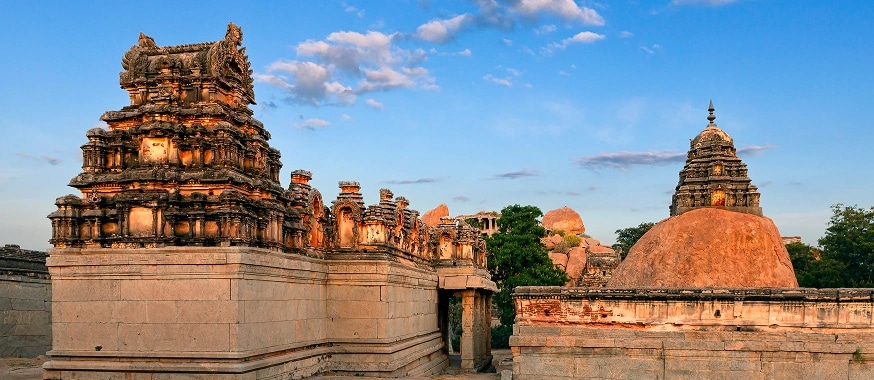
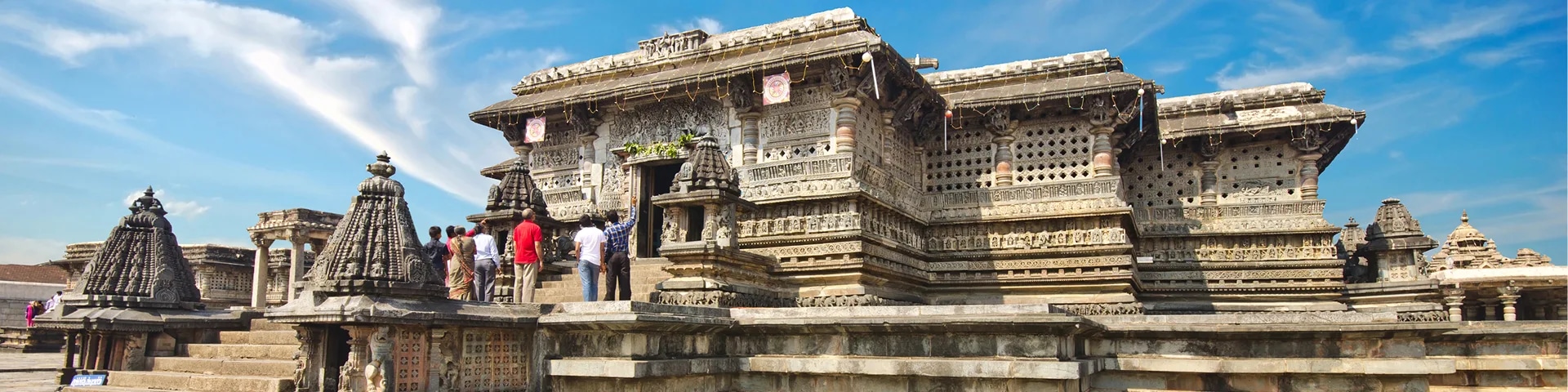
Nestled along the banks of the River Yagachi, this marvelous edifice, carved out of soapstone, still stands as a proud testament to the grandeur of the mighty Hoysala Empire. During the reign of King Vishnuvardhana, the construction of the Chennakesava Temple was commissioned, dating back to 1117 AD. Erected to celebrate his victory over the Cholas, this unique star-shaped temple was commemorated and dedicated to Lord Vishnu.
The construction of the Chennakeshava Temple took approximately 103 years to complete and involved the efforts of three successive generations of Hoysala rulers. The temple’s blend of Nagara and Karnata architectural styles vividly depicts the stories from the Puranas, Itihasas, and the avatars of Vishnu, bringing these ancient epics to life through its art.
What to Expect :
The meaning of Chennakeshava is “handsome Vishnu”, as Chenna means handsome or beautiful, and Keshava is the first name of Lord Vishnu among the thousands of other names given to him. The uniqueness of the Chennakeshava Temple lies in its distinctive stellate (star-shaped) architectural style, built on an unraised platform known as Jagati, with detailed carvings and sculptures covering the entire structure. The temple complex consists of the main temple and several minor shrines enclosed within a walled compound.
The main place to visit in the Chennakeshava temple starts with the entrance. There are three entrances to the temple, with the main one featuring a beautifully carved giant gopuram (temple tower) and a magnificent sculpture of Garuda, the carrier of Lord Vishnu.
Inside the temple, there are many fascinating divine sculptures. At the entrances of the main temple, one can see the sculptures of the royal family who built this temple, the ten avatars of Lord Vishnu, and the royal emblem of the Hoysala kingdom — a young boy named Salah fighting a tiger — all intricately carved and positioned.
There are 48 intricately chiseled pillars, known as Narasimha pillars, adorned with miniature figures that spiral gracefully from top to bottom, showcasing the unmatched craftsmanship of Hoysala artisans. The bracket figures, known as Madanikas, are exquisite carvings of female figures in various postures on the temple walls, each with its own symbolic meaning.
It is believed that Shantaladevi, the beloved queen of King Vishnuvardhana, served as the model for one of the exquisite sculptures in the Vavaranga — the graceful Darpana Sundari(A lady holding a mirror). A 42-foot single-stone gravity pillar (known as Mahasthambha) stands within the complex, which is a magical masterpiece. The friezes on the temple walls depict scenes from the daily life of people in the 12th century, along with pictorial narrations from Hindu texts such as the Mahabharata, Ramayana, and Puranas. There are also depictions from Jainism and Buddhism.
The Chennakeshava Temple houses approximately 118 inscriptions, dating from the 12th to the 18th century. These inscriptions provide valuable records of the endowments made to the temple, the skilled sculptors who played a crucial role in its construction, and the various renovations and restorations carried out over the centuries, offering rich insight into the temple’s historical and cultural legacy.
This temple is a remarkable example of astonishing architecture, intricate sculptures, detailed reliefs, friezes, iconography, inscriptions, and historical significance — all crafted over 900 years ago and still well-preserved. Daily poojas (rituals) continue to be performed here, attracting not only local travelers but also pilgrims from all over the world.
Best time to visit Chennakeshava Temple:
The best time to visit the Chennakeshava Temple is from October to March, when the weather is pleasantly mild and cool, making it ideal to fully soak in the serene and divine atmosphere that surrounds this historic site.
The temple remains open every day of the week, offering daily poojas and rituals that provide visitors with opportunities to participate in spiritual ceremonies and seek blessings from the main deity. This also allows ample time to admire and explore the intricate architectural marvels and exquisite sculptures that the temple is renowned for.
Throughout the year, the temple and the surrounding region come alive with a series of vibrant festivals that celebrate local culture and traditions. Among the most anticipated are Kambala, a traditional buffalo race that highlights the region’s strong agrarian roots, and Makar Sankranti, a joyous harvest festival both held in January.
Other significant celebrations include Vaikuntha Ekadashi, which marks the opening of the gates to Lord Vishnu’s abode; Brahmotsavam, a grand festival of rituals and prayers; and Janmashtami, the celebration of Lord Krishna’s birth, each reflecting different aspects of Hindu spirituality and mythology.
The most prominent and widely celebrated festival at the Chennakeshava Temple tourism is the Rathotsava, a two-day chariot festival held annually in March or April. This event draws devotees from all over India and beyond. The festival begins with a Maulvi reciting verses from the Quran, symbolizing unity and harmony among different religious communities in the region.
The highlight of Rathotsava is a majestic procession where the deity is carried on an ornately decorated chariot through the streets, accompanied by music, dance, and fervent chanting. Celebrated jointly by both Hindus and Muslims, this festival stands as a beautiful testament to the region’s longstanding tradition of religious harmony, mutual respect, and cultural integration, making it a unique and inspiring experience for all visitors.
How to reach Chennakeshava temple ?
By Air
The closed airports are the Mangalore Airport (IXE) and Bengaluru International Airport (BLR), which are approximately 135 Km and 225 Km from Belur, respectively. Depending on traffic conditions, it will take approximately 4-5 hours to reach Belur.
By Train
The nearest railway stations to Belur are Chikkamagaluru Station (CMGR), around 25 km away, and Hassan Junction (HAS), approximately 28 km away. Both stations are well connected to major cities across India by Road
By Road
Belur is easily accessible by road, with National Highway 75 (NH75) running through nearby Hassan, connecting it to major cities across Karnataka and neighboring states.
Things to know before visiting Chennakeshava temple
- Darshan Time: The temple is open every day for darshan and poojas from 7.00 AM to 1.00 PM and in the evening from 2.00 PM to 8.00 PM.
- Dress code: As a place of historical significance and a place of worship, visitors are expected to dress modestly for both men and women. Traditional attire is preferred, and shoes are removed before entering the temple.
- Entry ticket: To enter the temple, nominal charges are collected for special darshan, Camera, parking, etc.
- General Chennakeshava Temple Travel tips: Always carry a small bag to carry your essentials like Sunscreens, Water bottles, caps, Umbrellas, Tissues, and Cash.
FAQs — Chennakeshava Temple
Popular Tour Packages
Most booked holidays, hand-picked by our travellers