About Odisha Wildlife
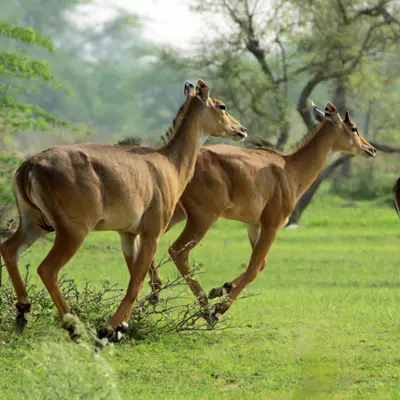
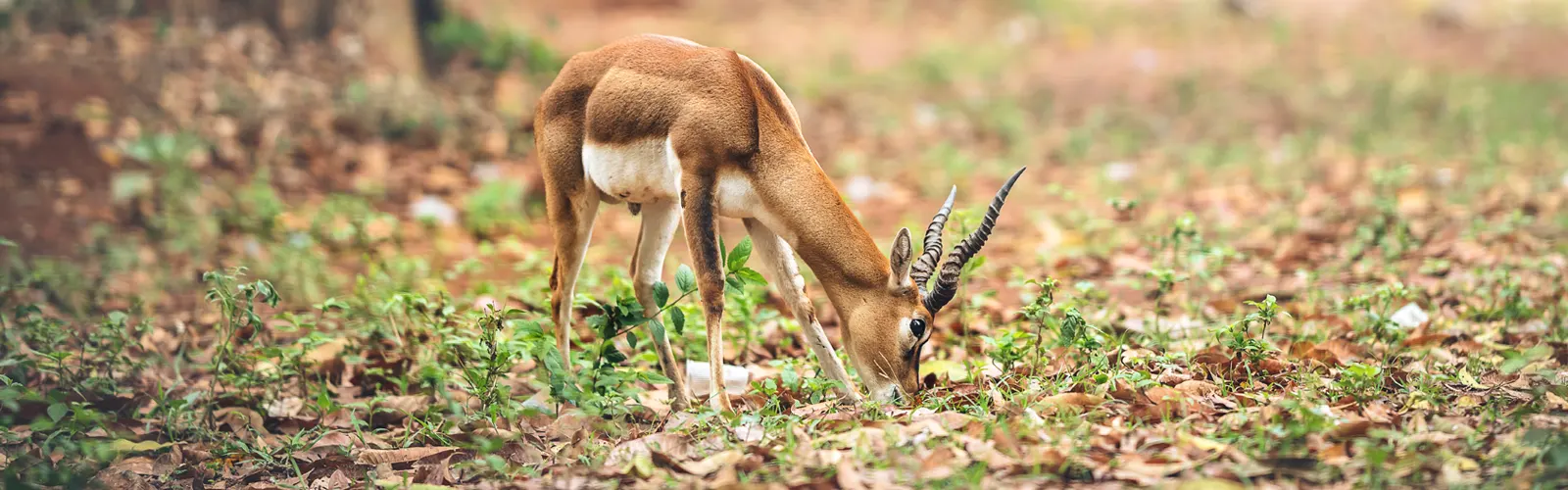
Odisha has diverse wildlife, including tigers, elephants, leopards, and endangered species like the olive ridley turtle and Irrawaddy dolphin. Key habitats include the Chilika Lagoon, Bhitarkanika National Park, and numerous wildlife sanctuaries and reserves, such as Hadgarh and Debrigarh. The state is home to various mammals, birds, reptiles, and amphibians, supported by a significant forest cover and multiple conservation efforts like ecotourism and community involvement. Odisha has 19 wildlife sanctuaries, one national park (Bhitarkanika), two tiger reserves, and other protected areas. The state has multiple research and conservation centers for species like crocodiles and a large captive breeding program at Nandankanan Zoological Park.
Attractions in Odisha - Wildlife
Odisha offers diverse and rich wildlife experiences across its various national parks and sanctuaries, from mangrove forests and coastal lagoons to dense inland forests.
Below are some of the key wildlife attractions:
Bhitarkanika National Park
Located in the Kendrapara district, this national park is the second-largest mangrove ecosystem in India. It is a network of creeks, rivers, and tidal deltas, offering a unique and vibrant ecosystem. It is renowned for having the world's largest population of endangered saltwater crocodiles, some reaching over 20 feet in length. It also features Gahirmatha Marine Sanctuary, the world's largest nesting beach for Olive Ridley turtles, and a diverse range of birds and reptiles.
Similipal National Park
A vast tiger reserve and UNESCO Biosphere Reserve in the Mayurbhanj district, known for its high-altitude "sky island" ecosystems, dense forests, and stunning waterfalls.
Famous for its majestic Royal Bengal tigers (including rare pseudo-melanistic or "black" tigers), large populations of Asian elephants, gaurs, and two major waterfalls, Barehipani and Joranda.
Chilika Lake (Nalbana Bird Sanctuary)
Asia's largest brackish water lagoon, spread across Puri, Khurda, and Ganjam districts, dotted with small islands like Nalbana. It is the largest wintering ground for migratory birds in the Indian subcontinent, hosting millions of birds from as far as Siberia and Iran.
It is also one of the only two lagoons in the world where Irrawaddy dolphins can be spotted.
Satkosia Tiger Reserve
Located in the Angul district, this reserve is known for the stunning 22 km-long gorge carved by the Mahanadi River through the Eastern Ghats. It combines two sanctuaries: Satkosia Gorge and Baisipalli. Diverse wildlife, including tigers, leopards, elephants, and both mugger and critically endangered gharial crocodiles in the river.
Boat safaris provide excellent opportunities to view animals on the riverbanks.
Debrigarh Wildlife Sanctuary
Situated on the banks of the Hirakud reservoir near Sambalpur, this sanctuary features dry deciduous forests and grasslands.
Easy and frequent sightings of wild animals like gaur (Indian bison), sambar, spotted deer, and sloth bears, due to their proximity to the water source.
Best Time to Visit Odisha - Wildlife
The best time for wildlife tourism in Odisha is during the winter season, from October to February, due to pleasant weather that makes animals more active.
During this period, destinations like Similipal National Park and Nandankanan Zoological Park are ideal for viewing wildlife and migratory birds. For specific locations like Satkosia Tiger Reserve, the season is slightly different, animals tend to congregate near water sources,
making them easier to spot, but winter offers more comfortable weather for visitors.
Winter (October to February): Best for Wildlife spotting, migratory birds, and general comfort.
The weather is cool and dry, which is perfect for spotting animals as they are more active.
Top Destinations:
Similipal National Park: Known for its diverse population of tigers, elephants, and other wildlife.
Nandankanan Zoological Park: Home to a large variety of animals, including white tigers, and is great for a more structured experience.
Chilika Lake: The wetlands attract numerous migratory birds during this time, making it a prime location for birdwatching.
Monsoon (June to September): Best for Nature lovers seeking lush green landscapes.
The monsoon brings the region to life with rain, waterfalls, and vibrant green foliage.
Wildlife viewing is more challenging due to the dense vegetation and heavy rainfall.
Daringbadi: Known for its coffee plantations and waterfalls, which are at their most spectacular during the rainy season.
Hirakud Dam: The reservoir looks its most picturesque during this season.
Summer (March to May): Best for Avoiding the peak tourist season and focusing on specific activities. Temperatures can be very high and uncomfortable, making wildlife viewing difficult.
Chilika Lake: Still a good option for sightseeing and boating, even if wildlife spotting is less ideal.
Activities in Odisha - Wildlife
Activities in Odisha's wildlife areas include exploring parks and sanctuaries like Bhitarkanika and Simlipal, spotting diverse species like crocodiles, dolphins, and migratory birds, or enjoying eco-tourism activities such as trekking, boating, and eco-resort stays.
Visitors can also participate in activities at zoos and conservation centers, including the
Exploration and adventure, Park and sanctuary visits, Wildlife spotting, Birdwatching, Crocodile and dolphin watching, Trekking and sightseeing, Conservation and educational experiences
Zoos and conservation centers, Eco-development committees.
How to Reach Odisha - Wildlife
You can reach wildlife sanctuaries in Odisha by air, train, or road, with Bhubaneswar's airport and the nearby railway stations being common access points for many sanctuaries. From these entry points, you can use local buses, taxis, or pre-booked tours to reach your specific destination, as the mode of transport varies depending on the sanctuary's location.
FAQs :