
About Bindu Dam
Bindu Dam is a quaint riverside destination in the Western Dooars, close to the Indo–Bhutan border. It is situated across the Jaldhaka River and therefore serves as a crucial control point for the water supply and irrigation systems in the area. The dam, surrounded by rolling hills, dense forests, and the pristine waters of a river originating from Bhutan, exudes natural beauty. This vibrant mix of nature and tranquillity is what makes Bindu Dam tourism so appealing.
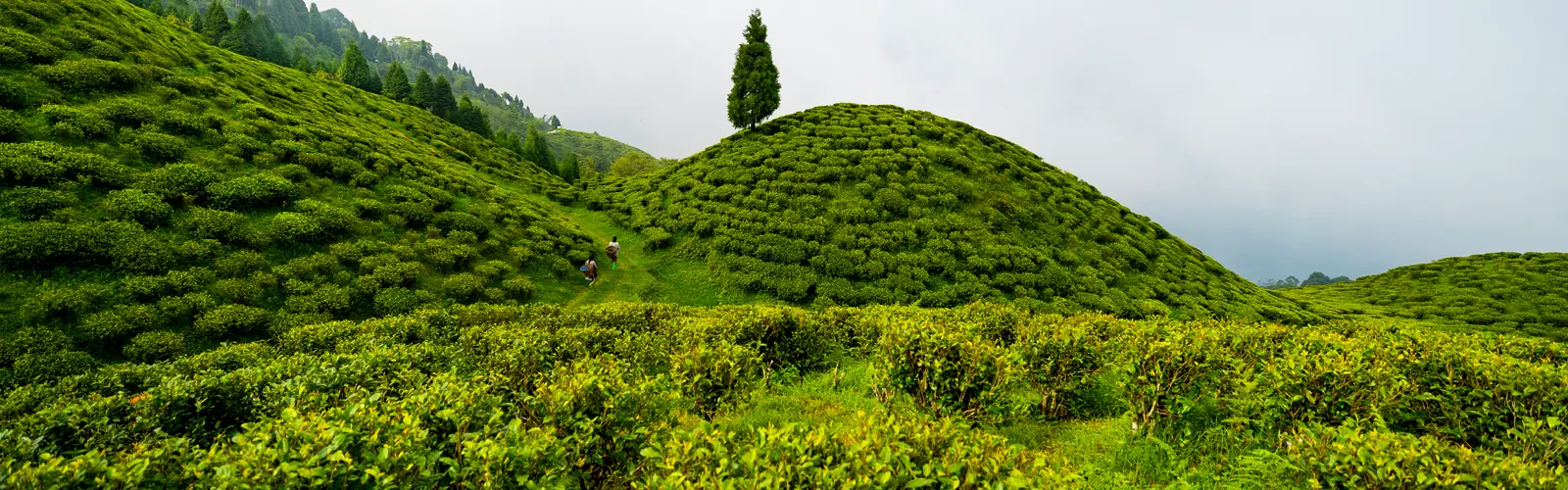
The region holds deep cultural significance for the local tribal communities and farmers, whose traditional lifestyle and warm hospitality add to the area's charm. Surrounded by vibrant cardamom plantations and tea gardens, the dam is vital to the local economy. Today, Bindu has developed into a peaceful retreat offering scenic picnic spots, forest treks, and calm riverfront corners, making it one of the most unique places to visit in the Dooars.
What makes Bindu Dam unique is its unspoiled beauty, combined with very few visitors and an atmosphere of freshness. For the birdwatcher, photographer, or traveller seeking the essence of nature in all its purity, Bindu Dam assures a holiday of unforgettable moments.
Attractions in Bindu Dam
Discover the most beautiful places to visit in Bindu Dam, a peaceful destination known for its pristine landscapes, scenic river views, and untouched countryside charm. Whether you love nature, culture, or photography, the beautiful mix of experiences available at Bindu Dam reflects the best of North Bengal. Below are the top attractions in and around Bindu Dam that every traveller should explore.
Bindu Barrage Viewpoint
The Bindu Barrage Viewpoint is the highlight of the region, offering sweeping views of the river, surrounding hills, and lush greenery. It is one of the most photogenic locations in Bindu, where you can enjoy calm surroundings and crisp mountain air.
Famous For: Photography, scenic beauty
Best Time: Morning and sunset
Entry Fee: None
Jaldhaka Riverbank
Originating from the Bhutan hills, the Jaldhaka River flows gently through Bindu, creating a peaceful riverside environment perfect for relaxation. Visitors often spend time walking along the riverbank, watching birds, or simply enjoying the soothing sound of flowing water.
Famous For: Riverside walks, nature watching
Best Time: October–March
Entry Fee: Free
Godak Village
From Bindu, Godak Village is a short drive away, nestled in the midst of forests and hills covered with plantations. The village offers an authentic glimpse into local culture and traditional lifestyles.
Famous For: Tribal culture, village exploration
Best Time: November–April
Entry Fee: Free
Todey–Tangta Hills
This picturesque hill region is known for magnificent views of Bhutan’s mountains and the Dooars landscape. Beautiful fresh air and refreshing scenery make it an ideal place for nature lovers and photographers alike.
Famous For: Hiking, photography
Best Time: October–January
Entry Fee: Not applicable
Dalim Fort Ruins
Situated atop a hill, the Dalim Fort Ruins offer an ideal mix of history, trekking, and panoramic views.
Famous For: Fort remains, hilltop scenery
Best Time: Early morning
Entry Fee: Free
Tea Gardens of Bindu
The surrounding tea estates add to Bindu's charm with peaceful walking trails and beautiful green landscapes.
Famous For: Photo spots, tea estate walks
Best Time: All day
Entry Fee: Free
These attractions not only showcase the natural beauty and vibrant culture around Bindu Dam but also offer unforgettable experiences for every traveller, making it one of the most refreshing and memorable holiday destinations in West Bengal.
Activities in Bindu Dam
Plan your itinerary with these enjoyable activities, which complement your Bindu Dam travel package perfectly.
Riverside Picnics
Picnicking by the river, amidst the greenery, is one of the favourite things to do in the region of Bindu.
Famous For: Family outings, scenic rest spots
Best Time: Winter months
Entry Fee: Free
Nature Photography
Bindu Dam provides a paradise for photographers with its rivers, forests, plantations, and misty hills.
Famous For: Landscape shots, bird photography
Best Time: Sunrise and sunset
Entry Fee: Free
Short Forest Walks
Many of the trails around Bindu pass through plantations and villages, which are ideal for nature lovers.
Famous For: Forest views, plantation walks
Best Time: Morning hours
Entry Fee: None
Bird Watching
Bindu is home to a wide variety of Himalayan and sub-Himalayan bird species, making it a rewarding destination for birdwatchers.
Famous For: Rare and migratory birds
Best Time: November–March
Entry Fee: Free
Village Exploration
Visitors love wandering through the quiet tribal villages surrounding Bindu to experience authentic local life.
Famous For: Culture, hospitality, village scenery
Best Time: All year
Entry Fee: Free
These experiences highlight why travellers appreciate the peaceful charm of Bindu Dam tourism.
Best Time to Visit Bindu Dam
The best time to visit Bindu Dam is from October to April, when the weather is cool and perfect for sightseeing. The winter months offer clear views, crisp air, and Calm River flows.
Peak Season:November–February – Pleasant weather, ideal for outdoor activities, but expect more visitors.
Shoulder Season:March–April – Warmer but still enjoyable, great for budget travellers.
Off Season:May–September – Heavy monsoon showers may limit access to some forest routes.
Clothing Tips:
Light clothes for the day, a jacket for the evening, comfortable walking shoes, hat, and sunscreen.
How to Reach Bindu Dam
Reaching Bindu Dam is convenient, thanks to good connectivity by road, rail, and air. Below is a simple guide to help travelers plan their journey.
By Train
The nearest major railway station is New Mal Junction (NMZ), located about 45–50 km from Bindu. From the station, you can hire a taxi or take a shared vehicle to reach the village. The route is scenic, passing through lush tea gardens and dense forests.
By Air
The closest airport is Bagdogra Airport (IXB), around 95–100 km away. Taxis, private cabs, and rental cars are easily available from the airport to Bindu. The drive offers beautiful views of the Dooars region and is the most convenient option for travelers arriving by flight.
By Road
Bindu is connected by well-maintained roads from cities like Siliguri, Malbazar, and Kalimpong. Public transport such as local buses and shared jeeps are available but run infrequently. Most visitors prefer private taxis or self-drive cars for comfort and flexibility.