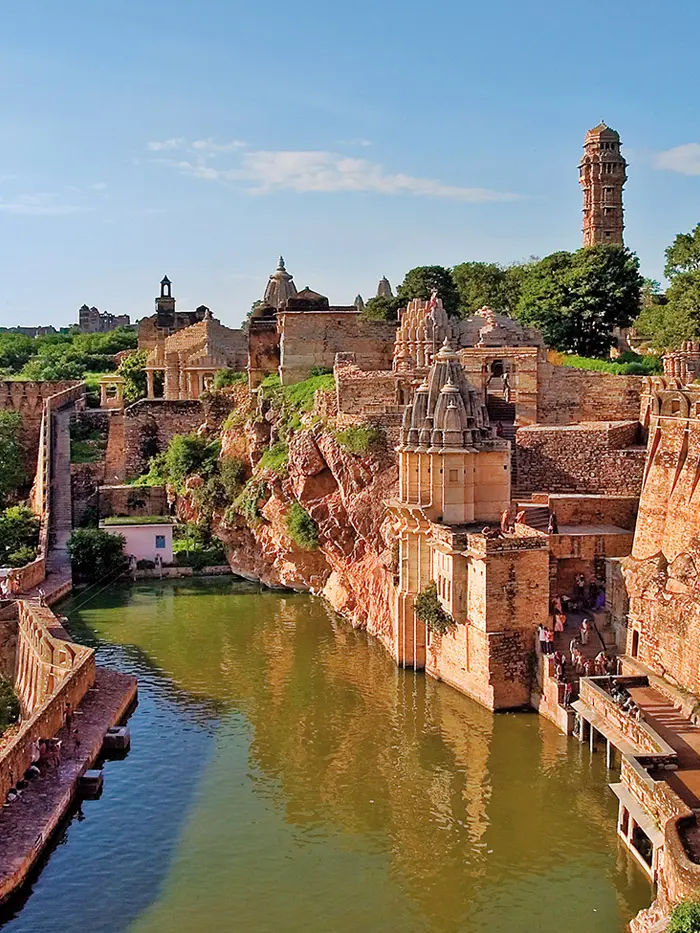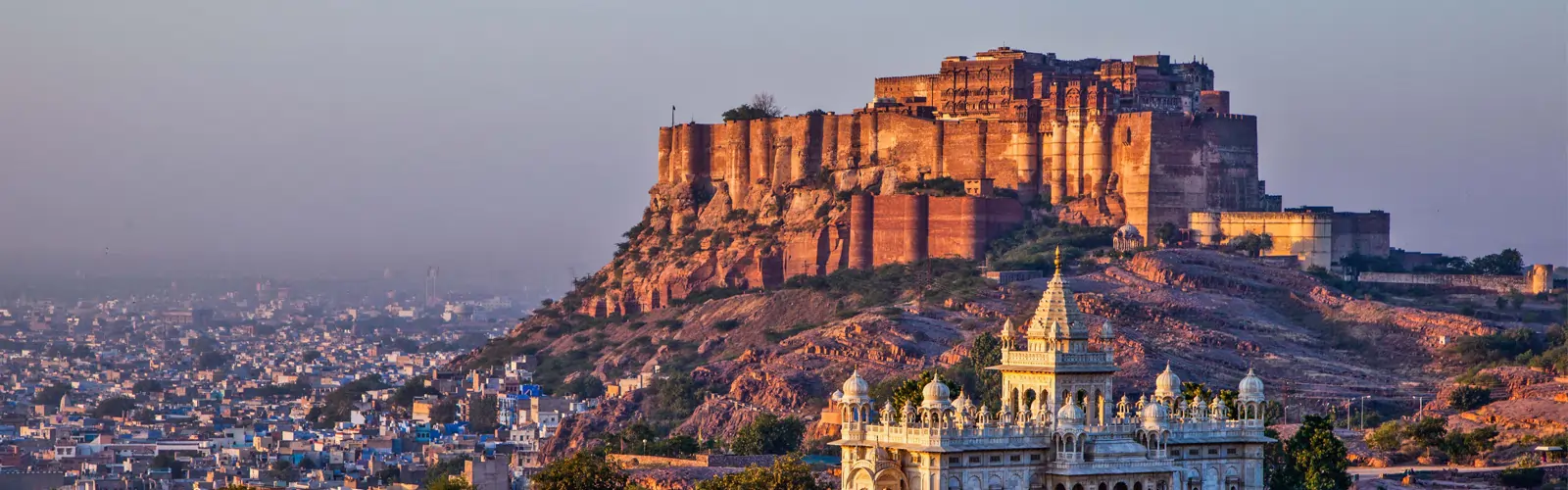
India is home to an extraordinary collection of monuments that reflect its rich cultural, architectural, and historical legacy. From ancient rock-cut caves to grand Mughal structures and Rajput fortresses, the famous monuments in India stand as timeless symbols of the nation’s evolution. Spread across every region, these landmarks have been built by emperors, dynasties, colonial powers, and religious institutions, each leaving behind stories etched in stone. Many of these sites have endured centuries of change, natural calamities, and restoration, continuing to preserve the essence of India’s glorious past.
The architectural brilliance of these sites goes beyond their visual appeal. They represent the artistic excellence, spiritual depth, and cultural diversity that define the country. Recognized globally, several of these landmarks are listed among the UNESCO World Heritage sites in India, including masterpieces like the Taj Mahal, Qutub Minar, and other historic marvels. These iconic landmarks in India are not just monuments but living narratives that reflect different eras, styles, and traditions.
A journey through the historical places in India offers more than sightseeing; it is an immersive experience into centuries of heritage. From majestic forts and palaces to temples, churches, and archaeological ruins, each structure reveals stories of love, power, faith, and ambition. These monuments showcase the craftsmanship and ingenuity of ancient civilizations, making them an essential part of any Monuments of India travel guide.
India’s monuments also play a significant role in promoting heritage tourism in India monuments, attracting travelers from across the world. They are not merely destinations on a checklist but gateways to understanding the country’s identity. With over 5,000 years of civilization and dozens of UNESCO-recognised sites, India offers an unmatched historical journey.
Visiting these monuments often feels like stepping back in time, where every wall, carving, and structure whispers tales of bygone eras. Preserving these treasures ensures that future generations can continue to explore and appreciate the depth of India’s cultural heritage.