
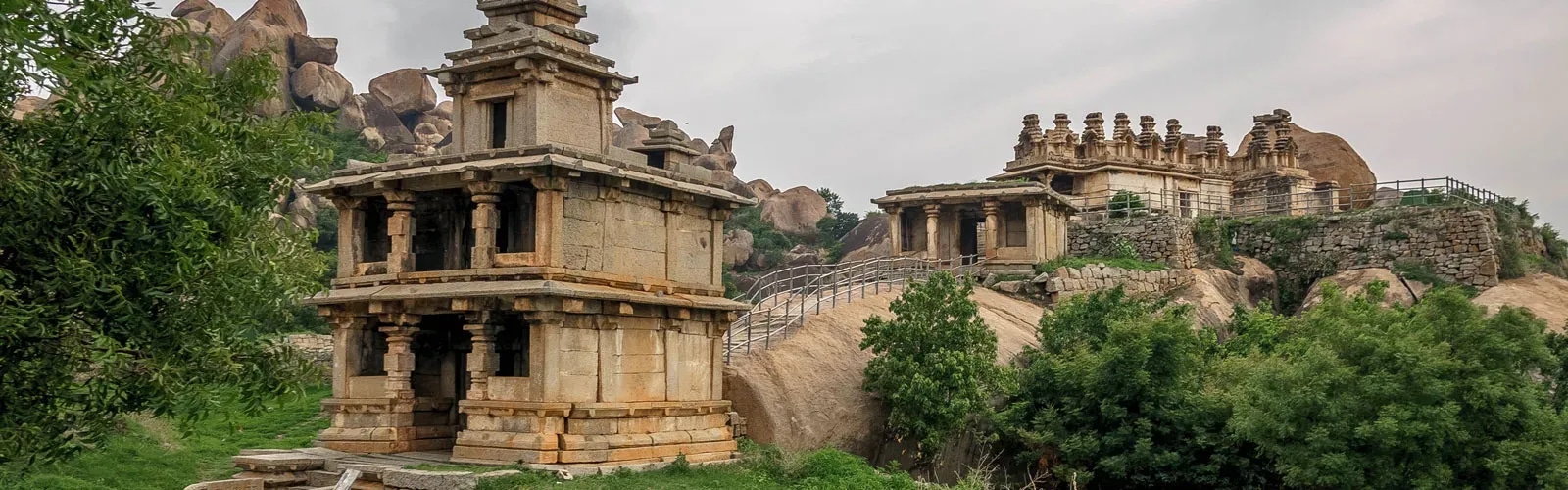
Chitradurga Fort
Rising majestically from the granite hills of Karnataka, Chitradurga Fort is a 1,500-acre stone marvel known as "Kallina Kote." Famous for its seven concentric walls and the heroic legend of Onake Obavva, this "impregnable" fortress showcases ingenious military engineering and ancient rainwater harvesting. Whether you are exploring its nineteen gateways or ancient temples like Hidimbeshwara, this Chitradurga Fort travel guide ensures an unforgettable journey. To enjoy the trekking trails in comfort, the best time to visit Chitradurga Fort is winter.
About Chitradurga Fort
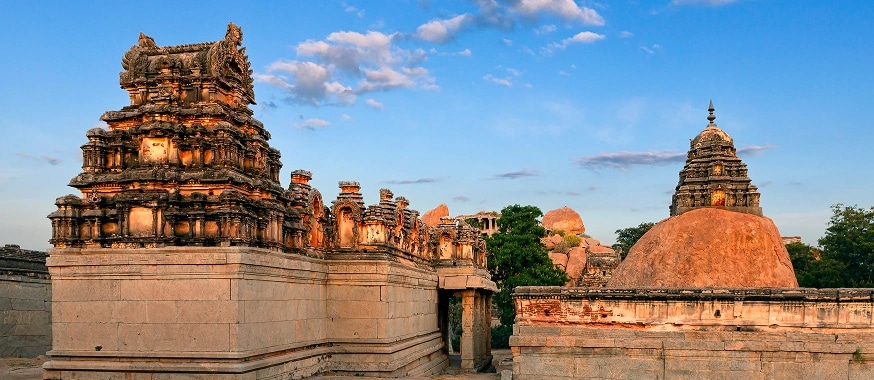
Spanning the Mauryan era to British rule, Chitradurga Fort is a 1,500-acre marvel of military engineering. Originally constructed by the Chalukyas and Hoysalas, it reached its zenith under the Nayakas, who transformed it into the "impregnable" Elusuttina Kote (Seven-layered Fort). Legends link the site to Bhima’s victory over Hidimbasura, while history remembers the brave Onake Obavva resisting Hyder Ali’s 1779 siege. Later expanded by Tipu Sultan, this stronghold features 19 gateways and 35 secret paths carved into ancient granite. This Chitradurga Fort travel guide reveals a saga of valour. Today, this historic landmark stands as a symbol of Karnataka’s military brilliance, legendary courage, and rich cultural legacy for visitors.
What to Expect?
Visiting Chitradurga Fort is an unforgettable journey through one of Karnataka’s most impressive hill fort complexes, spread across rugged granite hills and dramatic landscapes. As you follow any Chitradurga Fort travel guide, expect to be awed by its sheer scale—sprawling across 1,500 acres of rocky terrain with seven concentric walls that seem to grow organically from the boulders. Your exploration involves navigating narrow, zigzagging passages and climbing up to ancient watchtowers, which reward you with breathtaking panoramic views of the surrounding landscape and distant windmills. The experience is a treasure hunt for history buffs, as you discover over 18 ancient temples, including the revered Hidimbeshwara Temple, each offering a serene counterpoint to the fort's martial character.
Among the must-see places to visit in Chitradurga Fort is the legendary Onake Kindi, a narrow crevice where the heroic Obavva famously fought off Hyder Ali's soldiers with a pestle. You'll also stumble upon fascinating remnants like old granaries, oil pits, and a sophisticated rainwater harvesting system with interconnected tanks—a testament to ingenious engineering. Because the site is largely sun-exposed, a crucial Chitradurga Fort travel tip is to arrive right at 6:00 AM to enjoy the cooler air and softer light for photography.
For photography enthusiasts, the dramatic interplay of light and shadow on the massive granite fortifications creates stunning visuals at every turn. As part of a well-planned Chitradurga Fort travel guide, consider spending at least three to four hours exploring the complex, pausing to absorb its stories, architecture, and scenic beauty. The fort offers not just history, but a sense of adventure, spirituality, and admiration for the ingenuity of its builders, making every step a meaningful and memorable experience. To fully appreciate this marvel without the strain of the midday sun, the best time to visit Chitradurga Fort is undoubtedly during the cooler months, allowing you to leisurely soak in the ambience and truly connect with its legendary past.
Best Time To Visit Chitradurga Fort
The best time to visit Chitradurga Fort is from October to March, when the weather is cooler and ideal for exploring this vast stone fortress. Known as Kallina Kote (Stone Fort), the site spreads across rocky hills and requires at least 3–4 hours of walking and light trekking. During winter and early spring, temperatures remain pleasant, making it comfortable to navigate the seven concentric walls, gateways, temples, and watchtowers without the exhaustion caused by intense heat.
Early mornings, ideally between 6:00 AM and 8:00 AM, are highly recommended. The soft morning light not only enhances the dramatic landscape of granite boulders but also allows visitors to explore peacefully before the sun becomes harsh. By midday, especially outside winter months, the exposed stone surfaces can become extremely hot.
The post-monsoon season (October–November) adds a refreshing charm, with clearer skies and subtle greenery around the rugged hills. November to February is considered peak season, attracting history enthusiasts and trekkers who wish to experience one of Karnataka’s finest military marvels. While weekends and holidays may see moderate crowds, the fort’s vast layout ensures ample space for exploration.
It is best to avoid visiting between March and June, as summer temperatures soar, making long walks uncomfortable and potentially dehydrating. Monsoon visits (July–September) are possible, but slippery pathways may require extra caution.
For a rewarding experience, plan your visit during the cooler months, start early, carry water, and wear sturdy footwear. Choosing the right season ensures you fully appreciate the fort’s architectural brilliance, scenic views, and heroic legacy in a comfortable and memorable way.
How To Reach Chitradurga Fort?
By Air:Kempegowda International Airport, Bengaluru, is the nearest airport, about 220 Km away. From there, hire a taxi or take a bus for a comfortable journey to the fort. Hubballi Airport is another convenient option for travellers coming from northern Karnataka.
By Train:Chitradurga Railway Station is well connected to Bengaluru, Hubballi, and Ballari. From the station, taxis and auto-rickshaws provide easy access, making travel simple for visitors following a Chitradurga Fort travel guide.
By Road:Located on NH48, the fort is easily accessible by bus, taxi, or private vehicle from Bengaluru. KSRTC buses operate frequently.
Nearby Tourist Spots
- Onake Obavva Kindi: This narrow rock crevice honors the bravery of Onake Obavva, who defended the fort against Hyder Ali’s soldiers, making it one of the most inspiring places to visit in Chitradurga Fort.
- Vani Vilasa Sagara Dam (Mari Kanive): Karnataka’s oldest dam, around 40 km away, offers serene reservoir views and a peaceful picnic atmosphere.
- Hidimbeshwara Temple: An ancient temple linked to Mahabharata legends, known for its spiritual atmosphere and unique rock shrine inside the fort complex.
- Jogimatti Wildlife Sanctuary: A scenic forest retreat ideal for nature lovers and wildlife enthusiasts.
- Chandravalli: Ancient Satavahana-era site with caves and archaeological remains.
- Adumalleshwara Temple: A unique cave shrine with a perennial stream.
Tips for Visiting Chitradurga Fort
- Timings & Entry: Open daily from 6 AM to 6 PM; entry fees are approximately ₹20–₹25 for Indians and ₹250–₹300 for foreign visitors.
- Best Time to Visit: Plan during cooler months for a comfortable exploration, as suggested in any reliable Chitradurga Fort travel guide.
- Footwear & Clothing: Wear sturdy shoes, breathable clothes, and carry water, as rocky paths involve steep climbs and long walking distances safely ahead.
- Carry Essentials: Carry ample water and light snacks, as on-site facilities are scarce. Sunscreen and a hat are vital for the exposed trails.
- Hire a Guide: Local guides enhance your experience with historical insights and legends.
- Respect Heritage: Avoid littering and maintain temple decorum.
FAQs — Chitradurga Fort


Popular Tour Packages
Most booked holidays, hand-picked by our travellers