

Buxa Fort Travel Guide
About Buxa Fort
Deep in the emerald embrace of the Buxa Tiger Reserve, the historic Buxa Fort stands at 2,844 feet as a silent sentinel of India’s past. Originally a Bhutanese garrison guarding the vital Silk Route, the British captured the site in 1865 under the Treaty of Sinchula. Renowned for its inaccessibility, it became a notorious high-security prison for members of the Anushilan Samiti. This Buxa Fort travel guide explores its evolution from a colonial detention centre to a sanctuary for Tibetan refugees. Reached via a scenic trek from Santrabari, the Buxa fort blends history, wilderness, and sweeping Bhutan hill views.
What to Expect?
A visit to Buxa Fort is as much about the journey as the destination. The experience begins at Santrabari, where a scenic 2–3 km uphill trek winds through the dense forests of Buxa Tiger Reserve. The stone-paved trail, alive with birdsong, butterflies, and filtered sunlight, gradually climbs to the ruined fort perched high above the plains. Though largely in ruins, the fort’s weathered walls and moss-covered remains echo stories of Bhutanese rule, British occupation, and its use as a detention camp during India’s freedom struggle. The quiet, mist-laden surroundings create a reflective atmosphere, making it a memorable stop in any Buxa Fort travel guide.
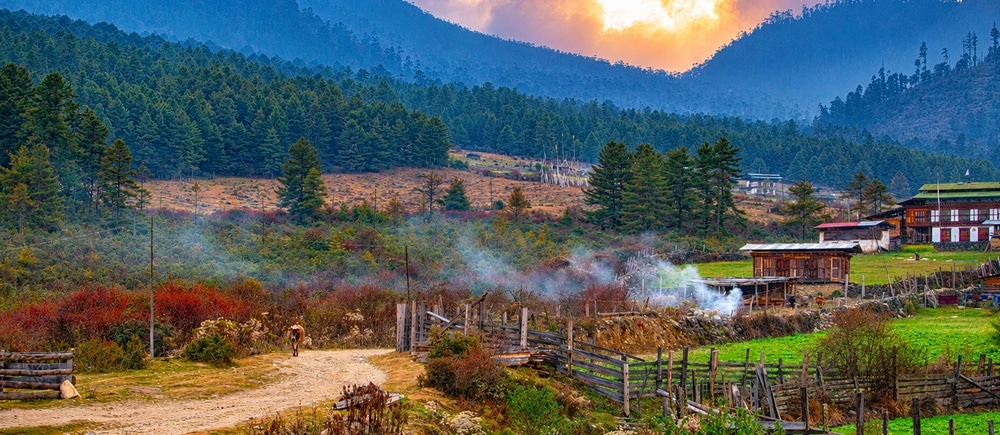
From the summit, visitors are rewarded with sweeping views of forested hills and the distant Bhutan ranges. Nature lovers and trekkers can extend their adventure beyond the fort. A 3 km walk leads to Rover’s Point, a paradise for bird watchers, while the serene hill village of Lepchakha, about 5 km away, offers breathtaking views of the entire reserve and North Bengal plains. More experienced trekkers can continue toward Rupang Valley near the Bhutan border or take the forest route toward Jayanti village, though special permission and a guide are required. Wildlife sightings – one of the best things to do near Buxa Fort, fresh mountain air, and the peaceful rhythm of the jungle make the surroundings as compelling as the fort itself.
Visitors should expect a rustic, off-grid experience with minimal facilities, emphasizing nature and heritage over modern comforts. Start early to enjoy cooler temperatures and better light for photography. Whether you are exploring the heritage museum near the fort or sipping local tea at a village stall, the experience is deeply immersive. To ensure a pleasant hike, the best time to visit Buxa Fort is between October and March. Remember to hire a local guide; their stories of the fort and forest lore add a layer of soul to the trek that you won't find in any manual.
Best Time To Visit Buxa Fort
The best time to visit Buxa Fort is during the winter season, from October to March. During these months, the humidity of the Bengal plains drops, and the Sinchula Range offers crisp, cool air that is perfect for the 3-Km uphill trek from Santrabari. Temperatures typically hover between 10°C and 22°C, ensuring you won't be drained by the heat as you navigate the steep, stone-paved forest trails.
Winter is also the peak season for exploring the surrounding Buxa Tiger Reserve. If your interests lean toward wildlife photography, this period offers the highest visibility for spotting hornbills, elephants, and elusive leopards. While summer (April to June) remains relatively pleasant compared to the scorched plains, the humidity can make the climb quite strenuous. We strictly recommend avoiding the monsoon season from June to September; the region receives some of the highest rainfall in India, making the trekking paths dangerously slippery and prone to leeches.
For a unique cultural experience, consider visiting during the Buxa Duar Festival or local tribal celebrations in the nearby Lepchakha Village. These events allow you to witness the vibrant traditions of the Dukpa community against a backdrop of historic ruins. This Buxa Fort travel guide suggests starting your trek at 7:00 AM to catch the morning birdsong and avoid any potential afternoon clouds. Weekdays are generally quieter, offering a serene environment for reflection at the detention cells where freedom fighters once stood. By following these Buxa Fort travel tips, you ensure a journey that balances historical exploration with the breathtaking natural splendour of the Eastern Himalayas.
How To Reach Buxa Fort?
By Air: nearest airport is Bagdogra Airport (about 184 Km). From Bagdogra, hire a taxi or shared vehicle to Alipurduar or directly to Santalabari, the trek base.
By Train: Junction railway station and New Alipurduar stations are about 30 - 36 Km away. Taxis and local jeeps are readily available to reach Santalabari.
By Road: Well-connected roads link Alipurduar with Siliguri, Cooch Behar, and Kolkata. Regular buses and private taxis operate in the region. From Alipurduar, a short drive brings you to Santalabari, where your adventure truly begins. : From Santalabari, begin a 2–3 km scenic trek through Buxa Tiger Reserve to reach the historic fort ruins.
Nearby Tourist Spots
- Lepchakha Village: A peaceful hill hamlet known as the “Queen of Dooars,” offering sweeping views of the plains and Bhutan hills.
- Jayanti: Scenic riverbank village ideal for forest walks, picnics, and views of the Mahakal caves.
- Santalabari: Trek base to the fort, surrounded by lush greenery and a serene forest stream.
- Chilapata Forest: A dense wildlife corridor famous for safaris and ancient ruins.
- Raimatang: Quiet riverside escape known for butterflies, orchids, and forest views.
- Rajabhatkhawa: Gateway to Buxa Tiger Reserve, offering safaris and a nature interpretation centre.
- Cooch Behar Palace: Grand royal palace showcasing the Koch dynasty heritage and museum exhibits.
Tips for Visiting Buxa Fort
- Timings & Entry: Open daily 6 AM–5 PM; no entry fee. Start early for a relaxed trek.
- Trek Details: A 3–4 km steep uphill walk from Santalabari takes about 1.5–2 hours.
- What to Wear: Choose sturdy trekking shoes and light, breathable clothing.
- Essentials to Carry: Bring ample water, dry snacks, sunscreen, and a hat.
- Hire a Guide: Local experts enhance safety and enrich your Buxa Fort travel guide experience.
- Safety First: Ruins are fragile—avoid monsoon months.
- Respect Heritage: Don’t litter or damage structures. Photography is allowed.
FAQs — Buxa Fort Travel Guide

Popular Tour Packages
Most booked holidays, hand-picked by our travellers