
Bidar Fort
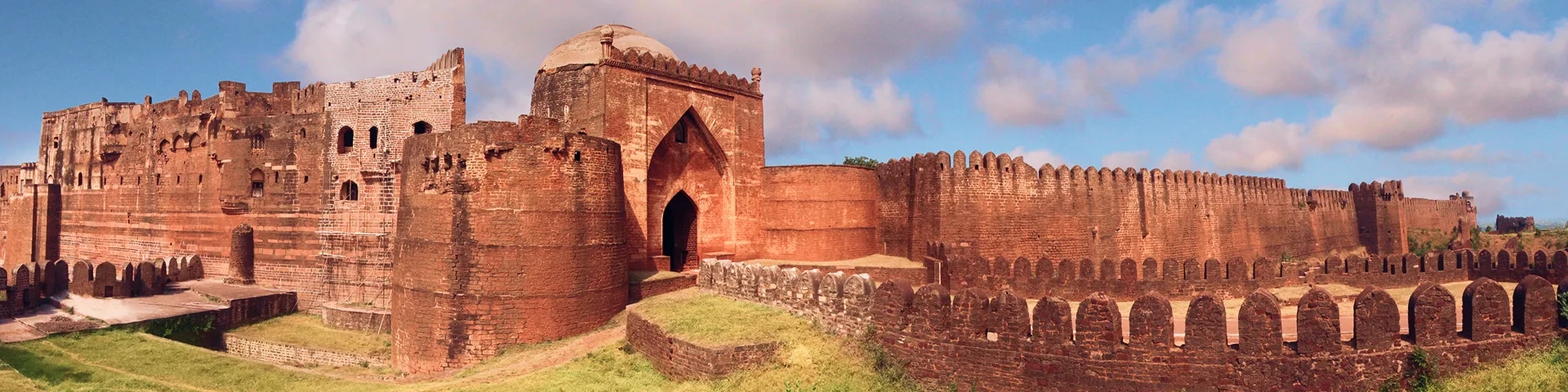
Perched in the Karnataka city of Bidar, the formidable Bidar Fort stands as a masterpiece of 15th-century Bahmani Sultanate architecture. Built by Sultan Ahmad Shah Wali, its unique blend of Persian and local styles, complete with intricate tile work in the Rangin Mahal and a triple-moated defence system, offers a captivating journey through Deccan history. As a definitive Bidar Fort travel guide, we recommend exploring its 37 bastions, the serene Solah Khamba Masjid and catching the evening light show.
About Bidar Fort
Bidar Fort's story spans over five centuries. Completed in 1432 by Sultan Ahmad Shah I of the Bahmani Sultanate, the Bidar Fort rose to prominence when he shifted his capital from Gulbarga to Bidar in 1427. Though earlier Chalukyan roots are linked to the site, the Bahmanis transformed it into a formidable Deccan stronghold with triple moats, 37 bastions, seven gateways, and an advanced Karez water system. Later ruled by the Barid Shahis, Adil Shahis, Mughals under Aurangzeb, and the Nizams, it reflects a layered history. Palaces like Rangeen Mahal and monumental mosques highlight its Persian-influenced splendor, making it central to any Bidar Fort travel guide. For the best time to visit Bidar Fort, plan for the winter months to enjoy these historic ruins in pleasant weather.
Nearby Tourist Spots
- Gurudwara Nanak Jhira Sahib A revered Sikh shrine famed for its sacred spring and peaceful surroundings.
- Narasimha Jhira Cave Temple A unique cave shrine where devotees wade through water to reach the deity.
- Mahmud Gawan Madrasa A 15th-century Persian-style educational monument showcasing exquisite tile work.
- Solah Khamba Mosque A grand mosque inside the fort complex with striking pillars and arches.
- Papnash Shiva Temple A serene temple known for its sacred pond and spiritual ambience.
- Bahmani Tombs Majestic mausoleums reflecting Indo-Islamic architecture and royal heritage.
- Chaukhandi of Hazrat Khalil Ullah A hilltop Sufi tomb offering history, tranquillity, and scenic views.
What to Expect?
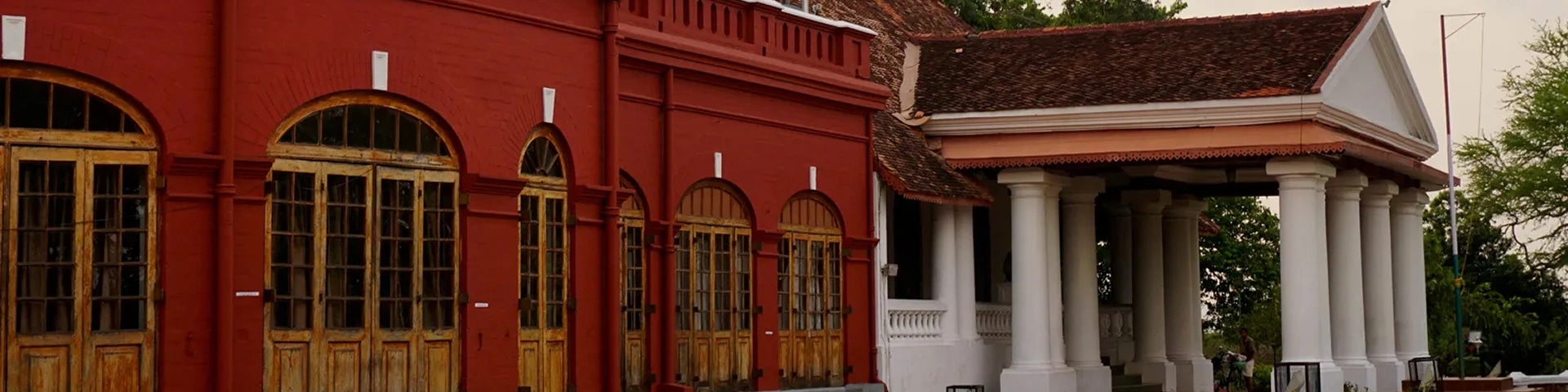
When you arrive at Bidar Fort, expect to be transported into a cinematic landscape where the red laterite stone of the Deccan meets the sophisticated elegance of Persian artistry. The first thing that will strike you is the sheer scale of the defences; the fort is encircled by a rare triple-layered moat carved directly into solid volcanic rock, a sight that immediately explains its reputation as one of India’s most impregnable strongholds. As you pass through the massive Sharza Darwaza, the atmosphere shifts from the bustle of modern Bidar to a serene, sprawling citadel filled with over 90 historic monuments. Exploring the opulent Rangeen Mahal is one of the essential things to do at Bidar Fort, where you can marvel at the vibrant 15th-century tile mosaics and mother-of-pearl inlays that have survived the passage of centuries.
The architectural journey continues at the Solah Khamba Mosque – a great place to visit in Bidar Fort, famous for its sixteen massive pillars and tranquil courtyard, and the Gagan Mahal, which offers a window into the royal lifestyle of the Bahmani Sultans. For photography enthusiasts, the winding ramparts and the 37 octagonal bastions provide dramatic silhouettes against the skyline, especially during the "golden hour." This Bidar Fort travel guide recommends seeking out a local security guard or guide to unlock some of the smaller palaces, like the Tarkash Mahal, which may appear closed but hold incredible hidden carvings. You can also spend time investigating the ingenious Karez system, an ancient Persian water-harvesting technology that still fascinates modern engineers. For the best time to visit Bidar Fort, aim for a crisp winter morning when the cool breeze makes walking between the scattered ruins a pleasure. Whether you are trekking along the 5.5-kilometre perimeter or admiring the intricate wood carvings of the royal baths, expect an experience that feels like a quiet, dignified conversation with history. Thoughtful Bidar Fort travel tips include wearing comfortable footwear and carrying water, as the site is expansive.
Best Time To Visit Bidar Fort
The best time to visit Bidar Fort is during the winter months from November to February, when the weather is cool, dry, and comfortable for exploring this vast 15th-century stronghold. Temperatures during this period are generally pleasant, making it ideal for walking along the expansive ramparts, climbing bastions, and discovering ornate palaces without the fatigue caused by intense heat. Winter is considered the peak tourist season, as sightseeing conditions are at their best and the fort’s open courtyards and stone pathways are easier to navigate. December and January are particularly popular, offering crisp mornings and enjoyable afternoons perfect for photography and relaxed exploration.
In contrast, the summer months from March to May can be extremely hot, with temperatures often rising above 40°C. The exposed layout of the fort, with limited shaded areas, makes midday visits during this time challenging. The monsoon season from June to October brings cooler temperatures and greenery to the surrounding landscape, but occasional rains can make walking around the ruins slightly inconvenient.
For the most rewarding experience, plan your visit in the early morning or late afternoon, when sunlight enhances the red laterite walls and intricate tile work with a warm glow. The fort is generally open from 9 AM to 5 PM, allowing ample time to explore its major highlights. As part of a well-planned Bidar Fort travel guide, choosing the right season ensures you can comfortably enjoy the architecture, panoramic views, and historical ambience while avoiding harsh weather and large crowds. If your trip coincides with the Bidar Utsav, a vibrant cultural festival usually held in the winter, you’ll be treated to traditional folk performances and local handicrafts, making it one of the most exciting things to do at Bidar Fort.
How To Reach Bidar Fort?
By Air:Bidar Airport (IXX) offers limited connectivity, including flights from Bengaluru. For wider domestic and international access, Rajiv Gandhi International Airport, Hyderabad (HYD), about 152 Km away, is the nearest major airport. From there, taxis and buses easily reach Bidar.
By Train:Bidar Railway Station (BIDR) is well connected to major cities like Bengaluru, Hyderabad, and Mumbai, and lies close to the Old City, making fort access convenient.
By Road is 141 Km from Hyderabad (2–2.5 hours by car) and about 675 Km from Bengaluru. State-run and private buses operate regularly.
Tips for Visiting Bidar Fort
- Timings & Entry: Open daily 9 AM–5 PM (sometimes until 6 PM). No entry fee; carry valid ID.
- Best Time to Go: Early mornings or late afternoons are ideal and widely considered the best time to visit Bidar Fort. Avoid heavy rains.
- What to Wear: Light, breathable clothing with sturdy, non-slip footwear for rocky paths.
- Essentials: Carry water, sunscreen, and a hat for sun protection.
- Hire a Guide: Local experts enhance your Bidar Fort travel guide experience.
- Respect Heritage: Don’t litter or damage structures. Photography is allowed.
FAQs — Bidar Fort

Popular Tour Packages
Most booked holidays, hand-picked by our travellers